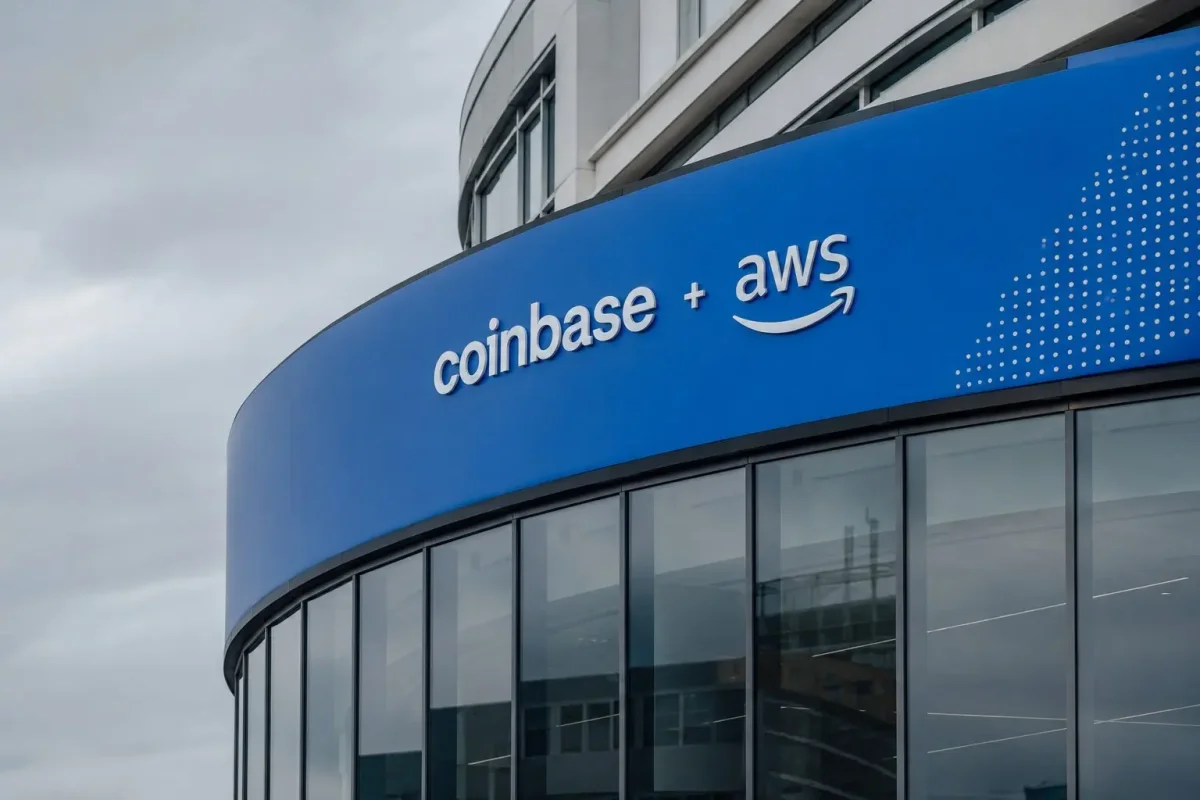
Amazon Web Services (AWS) has introduced a new feature within its Web Application Firewall (WAF) that enables publishers and content owners to require payment from AI bots before accessing protected content. This move comes as AI bot traffic surges, accounting for over 50% of web traffic on many sites, with AI-specific crawlers growing more than 300% year over year.
How It Works
The AWS WAF update allows content owners to set per-request charges based on content path, bot type, or verification level, without modifying their main website code. When an AI agent attempts to access a protected article, data feed, or licensed archive, the WAF returns an HTTP 402 Payment Required response. This response includes the price, payment details, and license terms via the x402 protocol. Once payment is verified, AWS delivers the content in the same request.
Coinbase is testing its x402 Facilitator for payment verification and settlement, with approximately 25% of the internet running on AWS CloudFront and WAF. Brian Foster, head of infrastructure growth at Coinbase, noted that this setup allows any publisher to earn revenue without additional infrastructure or separate licenses.
Stripe and Bank Payouts
Stripe is also participating, with Kevin Miller, head of payments, stating that AI agents are rapidly growing as content consumers. Stripe plans to launch direct bank transfers for content owners in the future. Currently, AWS offers stablecoin payments to publishers, sending funds to their chosen wallets. CloudFront customers will not incur extra fees for this feature beyond standard AWS WAF costs.
Anoop Dawani, director of product management at AWS Network Services, emphasized the goal: for any agent to pay and any publisher to get paid. This development follows Cloudflare's earlier launch of a pay-per-crawl tool, which allows site operators to charge AI bots for crawling their pages.
Zoomex Launches Tokenized Stocks
In a separate but related development, Zoomex announced the launch of Zoomex Stocks, offering tokenized trading of 12 U.S. stocks and ETFs paired with USDT. The available assets include Tesla (TSLA), Nvidia (NVDA), Apple (AAPL), Amazon (AMZN), Meta (META), Alphabet (GOOGL), Coinbase (COIN), Robinhood (HOOD), MicroStrategy (MSTR), Circle, QQQ, and SPY. Trading operates 24/7 with no leverage, a fee of 0.50%, and a minimum trade of 5 USDT.
Zoomex states that these tokens are fully backed by real stocks at a 1:1 ratio through xStocks, with settlements handled on-chain. Ownership is recorded on the blockchain rather than through traditional brokerage systems. This move follows Kraken's launch of xStocks last year, offering tokenized versions of Apple, Tesla, and Nvidia to non-U.S. users.
Market Implications and Risks
The AWS initiative represents a significant shift in how publishers can monetize content in an era of increasing AI bot traffic. However, it relies on bots and agents adhering to payment rules, and sites may ban non-paying bots. For tokenized stocks, risks include the lack of dividends and shareholder rights, as noted on Zoomex's support page. Traders are watching how these stock wrappers on crypto rails handle stress and maintain liquidity during market movements.
As publishers test whether AI users will pay for access, and traders observe the performance of tokenized equities, these developments underscore the growing intersection of AI, content monetization, and blockchain technology in financial markets.