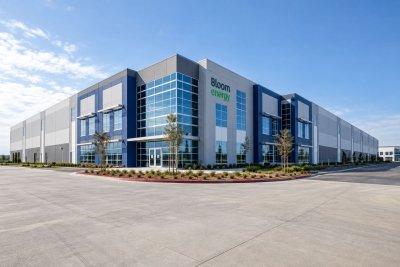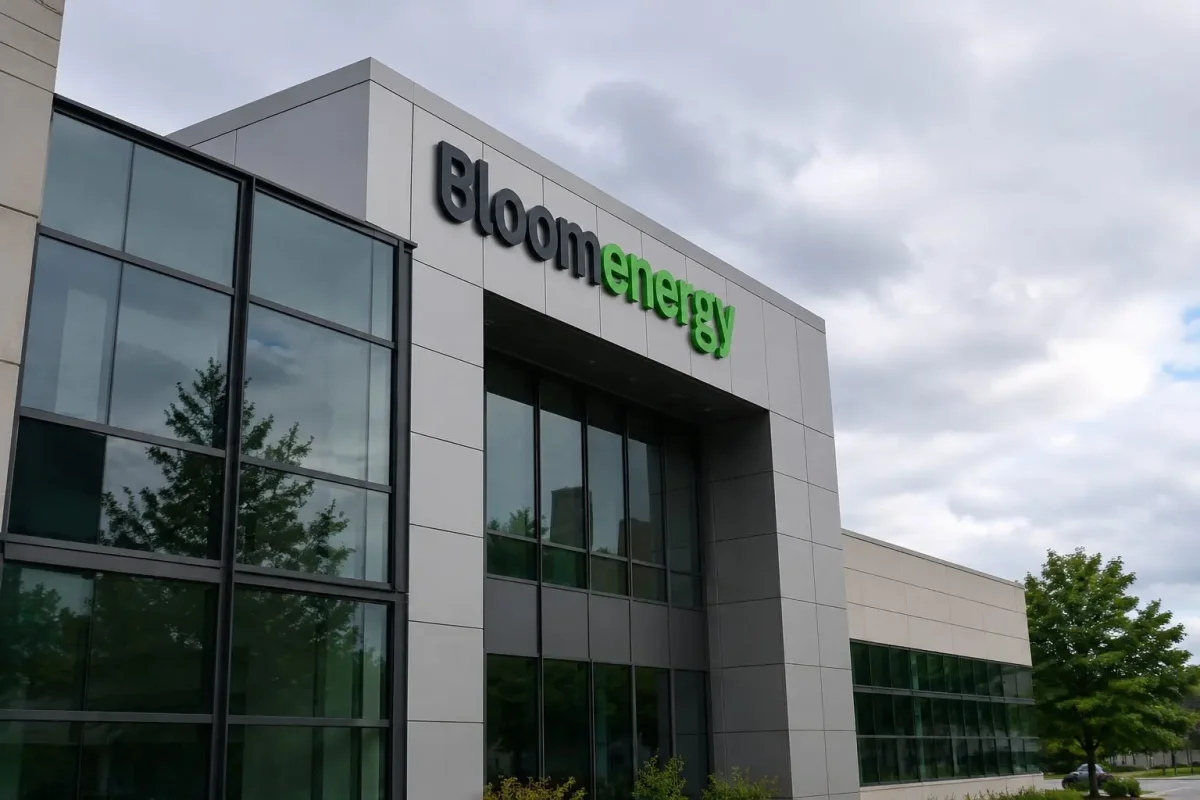
Bloom Energy shares took a hit Wednesday afternoon following a critical short report from Hunterbrook that cast doubt on the company's supply chain disclosures and its ability to scale production for the AI power market.
The stock fell 7.6% to $249.00, after touching an intraday low of $235.79. The broader S&P 500 ETF slipped 0.4%, while the Nasdaq 100 ETF remained nearly flat, highlighting the company-specific nature of the selloff.
At the center of the dispute is scandium oxide, a rare earth material used in Bloom's solid oxide fuel cells. Hunterbrook alleged that Bloom's supply of scandium oxide is tied to China, contradicting earlier statements from CEO K.R. Sridhar that the company was not reliant on Chinese sources. The short seller claimed it identified four China-linked pathways into Bloom's supply chain, including scandium oxide and scandium-containing ceramics and powders routed through intermediary nations.
Bloom responded with a blog post on Tuesday, asserting it has built a diversified global sourcing setup and that its current scandium oxide supply chain can support up to 25 GW per year in production. The company described scandium oxide as a 'tiny ingredient' but acknowledged its importance for performance and durability. However, as of mid-afternoon, Bloom had not issued a detailed press release addressing Hunterbrook's allegations directly.
The timing is critical because Bloom has been viewed as one of the market's premier AI power plays. The San Jose-based company's solid oxide fuel cells generate electricity electrochemically, offering a shortcut to power data centers without waiting for grid improvements. This bet has attracted significant investor interest, with Bloom and Brookfield recently expanding their AI infrastructure financing plan to $25 billion from $5 billion.
China's tightening of scandium export controls adds further pressure. In April 2025, Chinese officials placed scandium, its oxide, and compounds on a controlled list, requiring export licenses. Hunterbrook quoted Eric Wachsman, director of the Maryland Energy Innovation Institute, who said he was not aware of any other source of scandium at the scale Bloom would need, and noted that purification 'tends to be primarily in China.'
Bloom's latest annual report acknowledged that trade tensions could affect access to materials from China but stated it does not expect rare earth supplies to impact its 2026 output forecast. The company is set to report second-quarter results after the bell on July 28, with a conference call scheduled for 5 p.m. ET.
Analyst sentiment was mixed even before the short report. Jefferies maintained a Hold rating with a $246 target, while UBS set a $350 price target, according to Benzinga's analyst tracker. The selloff also dragged down other fuel-cell stocks, with Plug Power falling 1.4% and FuelCell Energy dropping 12.6%. In contrast, Vertiv, a provider of power and cooling gear for data centers, gained 3.2%.
The bear case hinges on potential delays in scandium supply, permitting schedules, or customer deployments, which could slow Bloom's AI power revenue growth. Conversely, if Bloom can provide reassuring supplier information, production updates, or stronger-than-expected Q2 results, the short thesis could unravel. Investors will be watching closely for Bloom's response and the upcoming earnings report.