Global oil markets endured a session of dramatic price swings on Tuesday, as conflicting signals from geopolitical developments and fundamental supply data triggered heavy volatility in benchmark crude contracts.
Diplomatic Rumors Clash with Supply Reality
The front-month June Brent futures contract tumbled more than $3 per barrel during the session, settling at $103.69, a decline of $3.70. This sharp move followed unverified market chatter suggesting Iran might be signaling willingness to de-escalate regional hostilities. The U.S. West Texas Intermediate (WTI) benchmark followed suit, dropping $2.17 to $100.71 per barrel.
However, the expiring May Brent contract told a different story, maintaining its remarkable monthly rally by gaining $5.52 to close at $118.30. This represented a staggering 64% surge for the month of March, while WTI posted a roughly 50% gain over the same period. The divergence highlighted the technical nature of the roll from May to June contracts amid thin trading volumes, which exaggerated daily price movements.
OPEC Output Hits Multi-Year Low
Adding fundamental pressure to an already tense market, a Reuters survey revealed that crude production from the Organization of the Petroleum Exporting Countries plunged by 7.3 million barrels per day in March. Output fell to 21.57 million bpd, marking the lowest level since June 2020. The most significant reductions came from core Gulf producers: Kuwait, Iraq, Saudi Arabia, and the United Arab Emirates.
"Globally, there are fewer barrels available, so the people who need them are bidding prices up," noted Neil Atkinson, former head of the International Energy Agency's oil markets division. This scarcity was evident in physical markets, where North Sea Forties crude reached a record premium of $7.20 over the dated Brent benchmark. Similarly, U.S. WTI Midland crude for delivery into Europe commanded a $9.50 premium, also an all-time high.
Middle East Tensions Keep Risk Premium Elevated
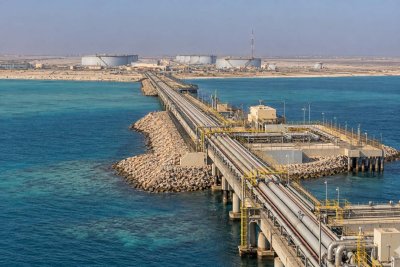
Supply concerns were further inflamed by reports that a fully loaded Kuwait Petroleum tanker, the Al Salmi, was struck while anchored near Dubai. The vessel, carrying approximately 2 million barrels of crude destined for Qingdao, China, sustained damage and a fire, though all 24 crew members were reported safe. The incident near the Strait of Hormuz—a critical chokepoint handling about 20% of global seaborne oil and gas trade—kept the market's war risk premium firmly intact.
Analysts warned that the physical market consequences of prolonged disruptions could be severe. "If closures drag on, the risk grows: physical shortages could start to bite over a broader swath of the market," cautioned Lin Ye of Rystad Energy. The disruption is already rerouting global trade flows, with Asian buyers increasingly competing for cargoes from Europe and West Africa, tightening supplies in those regions.
Market at a Critical Juncture
The oil complex now faces a precarious balance. Should credible diplomatic progress materialize and shipping through the Strait of Hormuz normalize, a significant portion of the recent war-driven price surge could rapidly unwind. Conversely, continued blockage could propel prices into what Saxo Bank's Ole Hansen termed "demand destruction territory"—levels high enough to meaningfully curb consumption.
John Kilduff of Again Capital described the reaction to the Iran headlines as a "trap door" moment for the market, where hopes for a reopening of the strait sparked fears of a sudden supply influx. However, he and others noted that even if tensions ease, battered regional infrastructure and disrupted shipping logistics would take time to repair.
The profound shifts have forced a wholesale revision of price forecasts. Reuters' latest monthly poll showed analysts dramatically raising their 2026 Brent crude outlook to $82.85 per barrel, up sharply from February's projection of $63.85. The WTI forecast jumped to $76.78 from $60.38, marking a record one-month increase in the survey's history.
While intraday price action remains tethered to geopolitical headlines, the underlying supply disruptions have fundamentally redrawn global oil trade routes. The market's extreme sensitivity underscores the high-stakes environment where every diplomatic signal is magnified against a backdrop of critically tight physical supply.