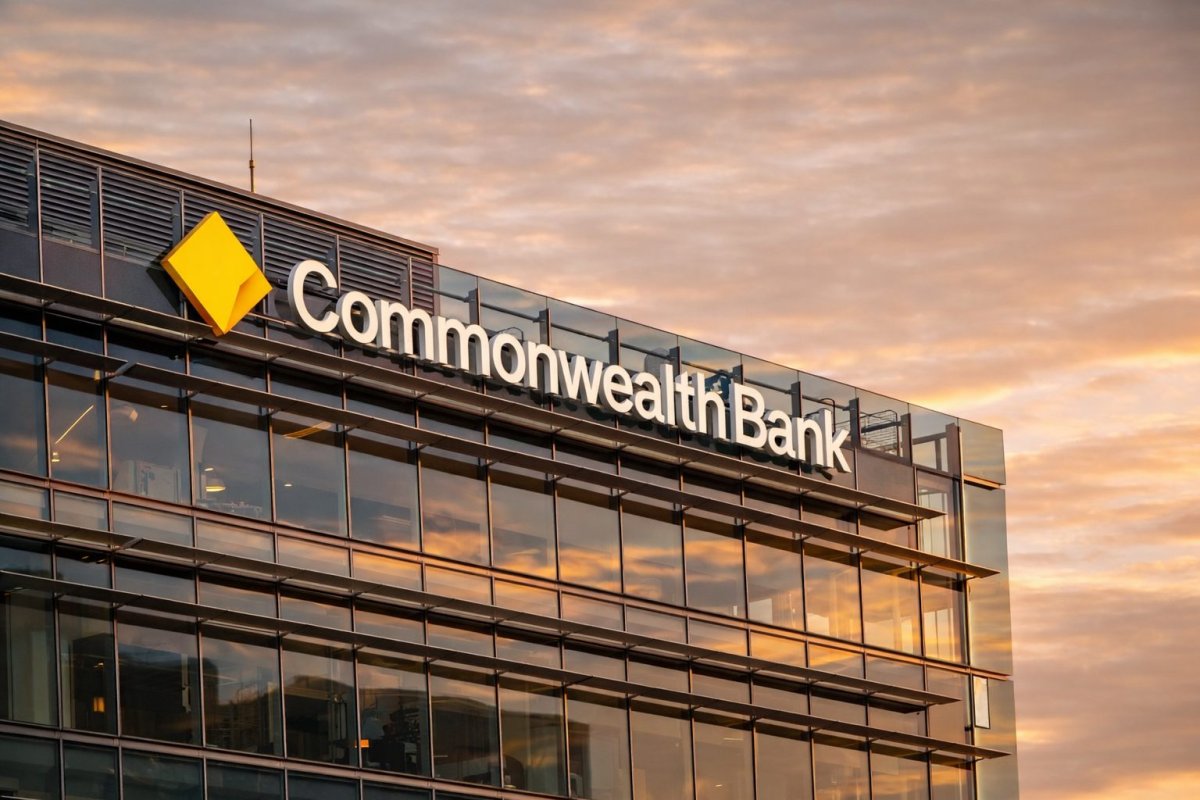
Shares of Commonwealth Bank of Australia retreated on Wednesday, closing 1.6% lower at A$171.13. The stock traded within a range of A$170.91 to A$173.48 during the session, reflecting heightened investor anxiety. The decline was part of a broader sell-off across the Australian financial sector, which shed 1.8% and extended its losing streak to five consecutive sessions.
Economic Data Sparks Rate Hike Fears
The catalyst for the market's unease was the release of official data showing the Australian economy expanded by 0.8% in the December quarter. This brought the annual growth rate to 2.6%, the fastest pace recorded in nearly three years. The robust figures immediately shifted market focus to the monetary policy outlook, with analysts suggesting the data could compel the Reserve Bank of Australia (RBA) to consider raising interest rates sooner than previously anticipated.
Stephen Smith, a partner at Deloitte Access Economics, noted, "Today's data will keep the RBA on high alert and increase the likelihood of a rate hike in May." This sentiment was echoed in bond markets, where three-year yields moved higher following comments from RBA Governor Michele Bullock. Speaking at a Sydney business summit the previous day, Governor Bullock stated the central bank's March meeting "will be a live meeting," cautioning traders against assuming the bank would wait for the next inflation report before acting.
Banking Sector Under Pressure
The reaction was pronounced across major lenders. Westpac, ANZ, and National Australia Bank all recorded significant losses, with declines ranging from 1.3% to 2.7%. Analysts point out that large banks have re-emerged as a sensitive gauge for interest-rate risk. A shift in the rate outlook not only impacts funding costs but can also dampen loan demand and alter the market's assessment of credit risk, often abruptly.
For Commonwealth Bank shareholders, the prospect of higher official rates presents a dual-edged sword. While rising rates can boost net interest income, more aggressive monetary tightening may pressure borrowers and constrain growth in mortgage lending, a key profit driver for the bank.
External Factors and Market Sentiment
Compounding the rate-sensitive sell-off was a spike in global oil prices, driven by renewed concerns over Middle East supply. Rising energy costs have consistently triggered selling in bank stocks and other rate-sensitive shares whenever inflation worries resurface, as investors engage in a straightforward risk-off trade.
The market narrative could shift, however. If energy prices stabilize and consumer spending shows signs of caution, the RBA may opt to hold rates steady. This could allow bond yields to retreat, potentially offering relief to bank stocks. The primary risk remains a steeper-than-expected rate hike cycle, which would squeeze household budgets harder and increase the probability of loan defaults.
Looking Ahead: Key Dates for Investors
Traders and investors are now looking to two critical upcoming events for further direction. The RBA's Monetary Policy Board is scheduled to meet on March 16–17, where it will deliberate on the official cash rate. Following that, the next Consumer Price Index (CPI) print, due on April 29, will provide crucial evidence on whether inflationary pressures are abating.
Ashwin Clarke of Commonwealth Bank's strategy team indicated a baseline expectation for a rate move in May but acknowledged that "recent data flow lifts the risk of March." This uncertainty ensures that Australian financial stocks are likely to remain volatile in the near term as the market continuously reprices the path of monetary policy.