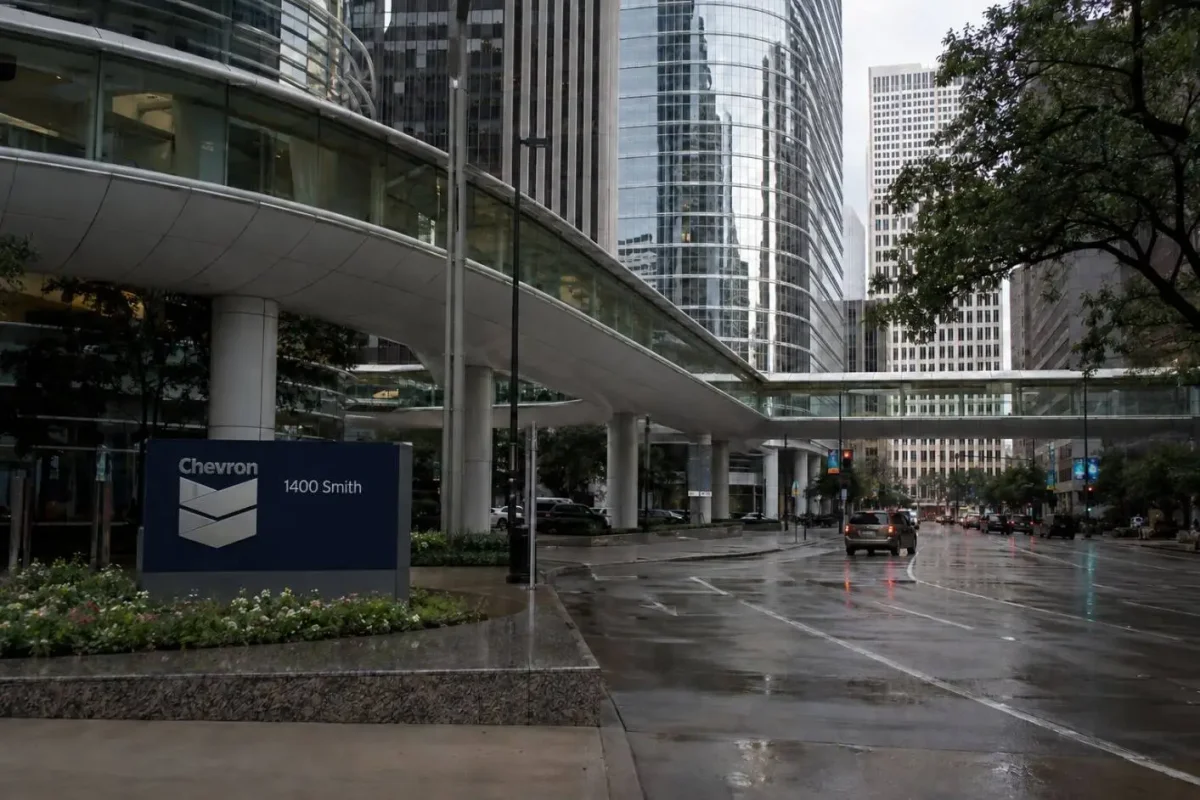
Chevron Corporation (NYSE:CVX) saw its stock edge up 0.58% to close at $212.28 on Wednesday, following the announcement of an ambitious expansion plan in Venezuela. The energy giant's joint ventures are set to pour over $7 billion into the Orinoco Belt, aiming to double output to approximately 600,000 barrels per day (bpd) within the next five years.
The proposed production increase of about 320,000 bpd from the current 280,000 bpd represents roughly 7.9% of Chevron's worldwide production rate in the second quarter of 2026, which stood at 4.07 million barrels of oil equivalent per day. This strategic move underscores Chevron's commitment to tapping into Venezuela's vast oil reserves, despite the complex geopolitical landscape.
Market Reaction and Financial Health
The stock's modest gain—just 0.58%—reflects a cautious investor sentiment. Over the past three sessions, shares have climbed 2.98%, buoyed by the news. Brent crude settled 1% higher at $95.63, providing additional support to the energy sector. However, the limited upside suggests that investors remain wary of political risks that could derail the project's timeline or economics.
Chevron's robust financial position lends credibility to the venture. In the second quarter, the company generated $22.6 billion in operating cash flow and $15.4 billion in adjusted free cash flow. The $7 billion planned investment over five years represents about 45% of that single quarter's adjusted free cash flow, a manageable scale for the company. Capital expenditures totaled $4.5 billion, and Chevron reduced total debt by a record $8.4 billion during the quarter.
Strategic Details and Analyst Outlook
Under the agreements, Chevron will receive additional acreage in the Orinoco Belt, with its Petroindependencia joint venture obtaining new rights adjacent to existing sites. Chevron's subsidiary holds a 49% stake in the venture. The company has stated total costs will remain under $20 per barrel, a competitive figure that could support profitability even in a lower oil price environment.
Chief Executive Mike Wirth expressed "confidence in the country's deep resource potential," noting that improved terms are expected to encourage competitive investment. However, he stopped short of providing a detailed annual spending timeline or clarifying whether the full $7 billion would be funded solely by Chevron, leaving analysts to speculate on the project's return profile.
Wall Street remains cautiously optimistic. S&P Global's consensus among 25 analysts is a Buy, with an average price target of $218.29—just 2.8% above Wednesday's close. Targets range from $175 to $241, indicating a wide variance in expectations. The narrow upside suggests that while the project is viewed positively, it may already be priced in.
Risks and Forward-Looking Events
Several risks could hamper the ramp-up: sanctions, fiscal policy shifts, partner financing issues, and contract enforcement problems. Heavy crude from the Orinoco Belt typically trades at a discount to Brent, and any decline in oil prices would further compress returns. Investors will be looking for more clarity at the upcoming investor event on September 8, where CFO Eimear Bonner is scheduled to speak at the Barclays Energy-Power Conference at 12:40 EDT.
Chevron's expansion in Venezuela is a bold bet on the country's long-term potential, but it carries significant execution and political risks. The company's strong balance sheet provides a cushion, yet the market's tepid response highlights the uncertainty that remains. As the project unfolds, all eyes will be on whether Chevron can navigate the complexities and deliver on its ambitious production targets.