China's inflation data for July revealed a continued softening in price pressures, but beneath the headline numbers lies a more troubling trend for manufacturers: a widening gap between what they pay for inputs and what they can charge for finished goods. The consumer price index (CPI) rose 0.5% year-on-year, falling short of the 0.8% consensus forecast, while producer price inflation eased to 3.5%, its lowest level in three months.
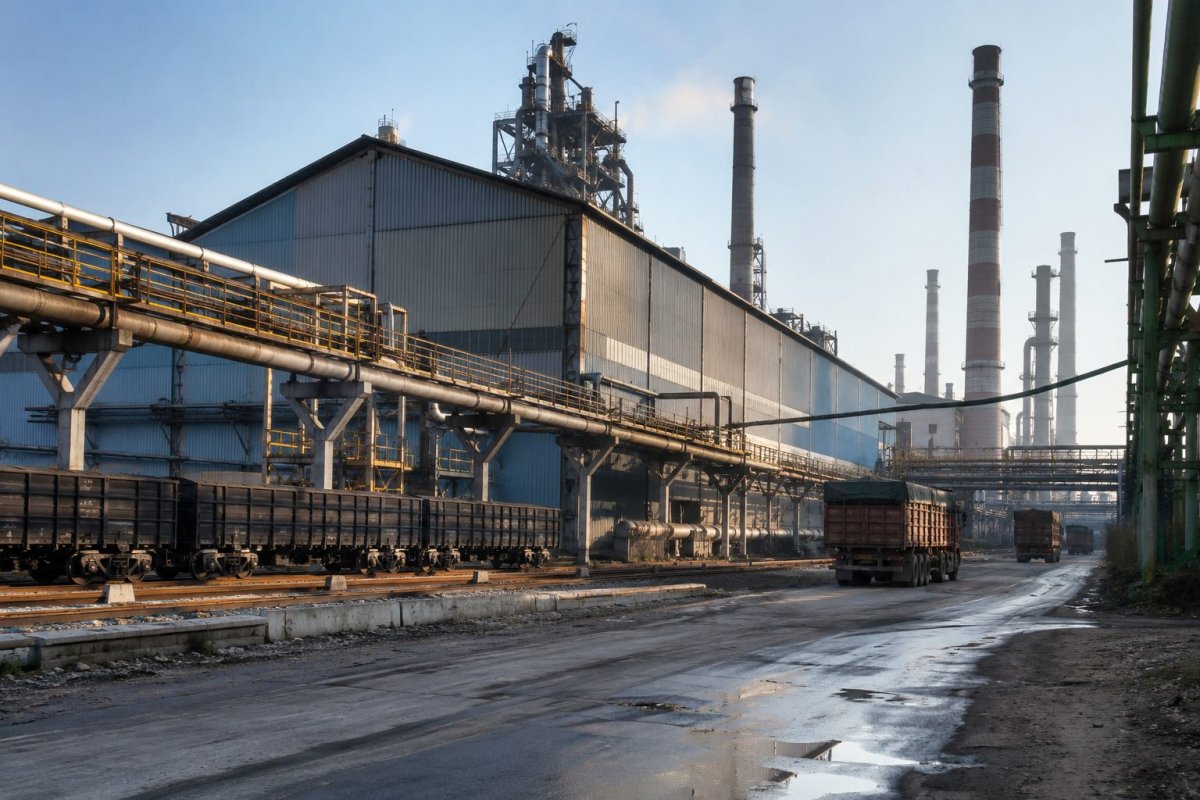
The divergence between producer and consumer prices has become a central concern. Production material costs increased by 4.8% year-on-year, while prices for consumer goods at the factory gate declined by 0.8%. This 5.6 percentage point differential underscores the limited pricing power many manufacturers possess, as they struggle to pass on higher input costs to end consumers.
Upstream, the cost pressures are most acute. Mining and quarrying prices surged 16.4% year-on-year, and raw material costs rose 6.1%. Processors saw a more moderate increase of 3.1%, but even that outpaced the decline in consumer goods prices. The data suggests that cost inflation is being absorbed along the supply chain, with the final link—the consumer—showing the least tolerance for price increases.
The National Bureau of Statistics released the CPI figures on August 10, with Reuters providing the PPI survey results and monthly CPI outlook. The consensus estimate for headline CPI had been 0.8%, according to the Financial Times. Trading had not yet commenced in China's cash equity market at the time of publication, with the Shanghai Stock Exchange's morning continuous auction set to begin at 09:30 CST.
Economists point to weak domestic demand as the primary driver of the inflation shortfall. Food prices fell 1.5% year-on-year, the biggest downward contributor to CPI, while residence costs declined 0.3%, reflecting ongoing property market softness. Core CPI, which excludes food and energy, rose 0.9%, still outpacing the headline figure. Services inflation was modest at 0.7%, signaling subdued consumer confidence.
Zhaopeng Xing, senior China strategist at ANZ, attributed the miss to "lower oil prices, combined with weakening demand." He anticipates that fiscal stimulus will take roughly a quarter to impact demand. Zhiwei Zhang, chief economist at Pinpoint Asset Management, noted that economic momentum softened in the second quarter, and the effects of increased fiscal spending will take time to materialize.
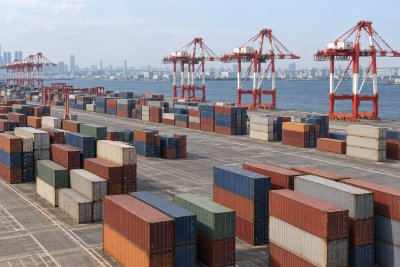
Exports remain a bright spot, with July shipments up 23.9% year-on-year, supported by steady AI-driven orders. However, this external strength has not translated into improved pricing power for domestic-oriented companies. Competitive price cuts are intensifying, and Beijing has pledged to curb harmful rivalry while accelerating the use of allocated infrastructure funds.
The margin gap is not expected to close soon unless demand strengthens or input costs decline. Risks include potential oil price spikes if restrictions persist in the Strait of Hormuz, which would elevate upstream costs further. Conversely, accelerated fiscal spending could help narrow the gap faster than anticipated.
Investors will now focus on July bank lending figures, due out soon. According to a Reuters poll, new yuan loans are projected at 45 billion yuan, a sharp drop from June's 1.61 trillion yuan. A larger shortfall would reinforce the message from the factory price gap: domestic demand remains too weak to absorb higher costs.