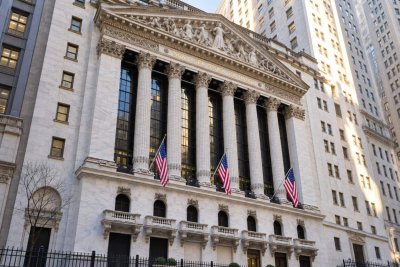
U.S. stock markets closed lower on Tuesday, June 23, 2026, after a volatile session dominated by a sharp sell-off in semiconductor and AI stocks. The Philadelphia SE Semiconductor index tumbled 7.9%, more than five times the S&P 500's 1.44% decline, as investors recalibrated expectations for artificial intelligence capital expenditure. The Nasdaq Composite dropped 2.21%, while the Dow Jones Industrial Average edged down just 0.09%. Despite the broad market weakness, six of the 11 S&P 500 sectors managed gains, led by consumer staples, which rose 1.8%.
AI Capex Concerns Trigger Broad Tech Sell-Off
The session was marked by a rotation out of high-multiple technology and semiconductor names into more defensive sectors. “Some of the news lately about AI raises questions about all the spending that’s being done and the capex and ramping of the capacity for semiconductors,” said Thomas Martin, senior portfolio manager at Globalt. The selling pressure was concentrated in the market’s recent leaders, leaving other sectors relatively unscathed. On the NYSE, declining issues barely outpaced advancers by a 1.31-to-1 margin, underscoring the narrow nature of the sell-off.
After-Hours Movers: Cerebras and FedEx Under Margin Pressure
In after-hours trading, Cerebras Systems Inc. (CRBR) sank 10% after reporting its first earnings since going public. The company guided for full-year adjusted gross margins between 38% and 41%, well below the 47% margin posted in the first quarter and trailing those of rivals Nvidia Corp. (NVDA) and Advanced Micro Devices Inc. (AMD). Chief Financial Officer Bob Komin cited “the additional cost of renting third-party capacity” as a temporary drag on core cloud and services margins.
FedEx Corp. (FDX) also fell 6% after the close, despite reporting better-than-expected profit and a 12.6% revenue increase to $25 billion. The core Federal Express unit posted a 7.7% operating margin, down from 8.4% a year earlier, squeezed by higher labor costs, more expensive third-party transportation, and rising fuel expenses. The warning adds to concerns about weak demand in the logistics sector, as United Parcel Service Inc. (UPS) faces similar headwinds from tariffs and new regulations on low-value e-commerce shipments.
SpaceX Bond Sale Highlights AI Infrastructure Demand
In a sign of the enormous investor appetite for AI-related exposure, SpaceX’s new $25 billion bond sale drew orders nearing $85 billion, according to Reuters. The five-part notes deal, aimed at debt repayment and funding AI expansion, underscores both the scale of interest and the massive capital requirements for AI infrastructure, including data centers, hardware, and energy.
Rising Rate Expectations Add Pressure
Rate expectations continued to shift higher. Traders now see a 36.3% probability of a Federal Reserve rate hike of at least 25 basis points in July, up sharply from 8.5% just last week. For September, the implied probability rose to 69.1% from 29.1%. “Equities are adjusting to it, gold is adjusting to it, the dollar is adjusting to it,” said Eugene Epstein, head of trading and structured products at Moneycorp.
Analysts Raise S&P 500 Targets Amid Bullish Outlook
Despite the sell-off, Barclays and Stifel both raised their S&P 500 year-end targets to 7,800, representing roughly 6% upside from Tuesday’s close. Barclays, led by Venu Krishna, stated that the “equity bull case remains intact” but cautioned that future gains will depend more on earnings and AI investment as the Fed’s influence wanes. Stifel’s Thomas Carroll noted that “stock concentration sits at 40-year highs,” suggesting traders may increasingly shift toward equal-weight indexes.
Outlook: PCE Data and AI Margins in Focus
The market’s near-term direction hinges on Thursday’s Personal Consumption Expenditures (PCE) price index, the Fed’s preferred inflation gauge. A hot reading could amplify rate-hike fears and extend selling from tech into cyclicals. Conversely, softer inflation or a stronger memory-chip outlook could reverse the recent trend. For now, the key risk remains that margin pressures in AI-related companies will persist, keeping the sector under pressure even as the broader market finds support elsewhere.