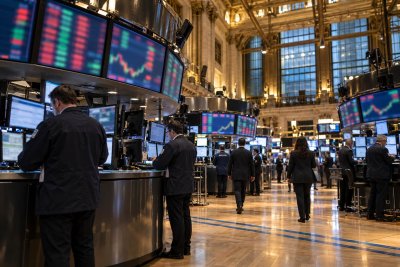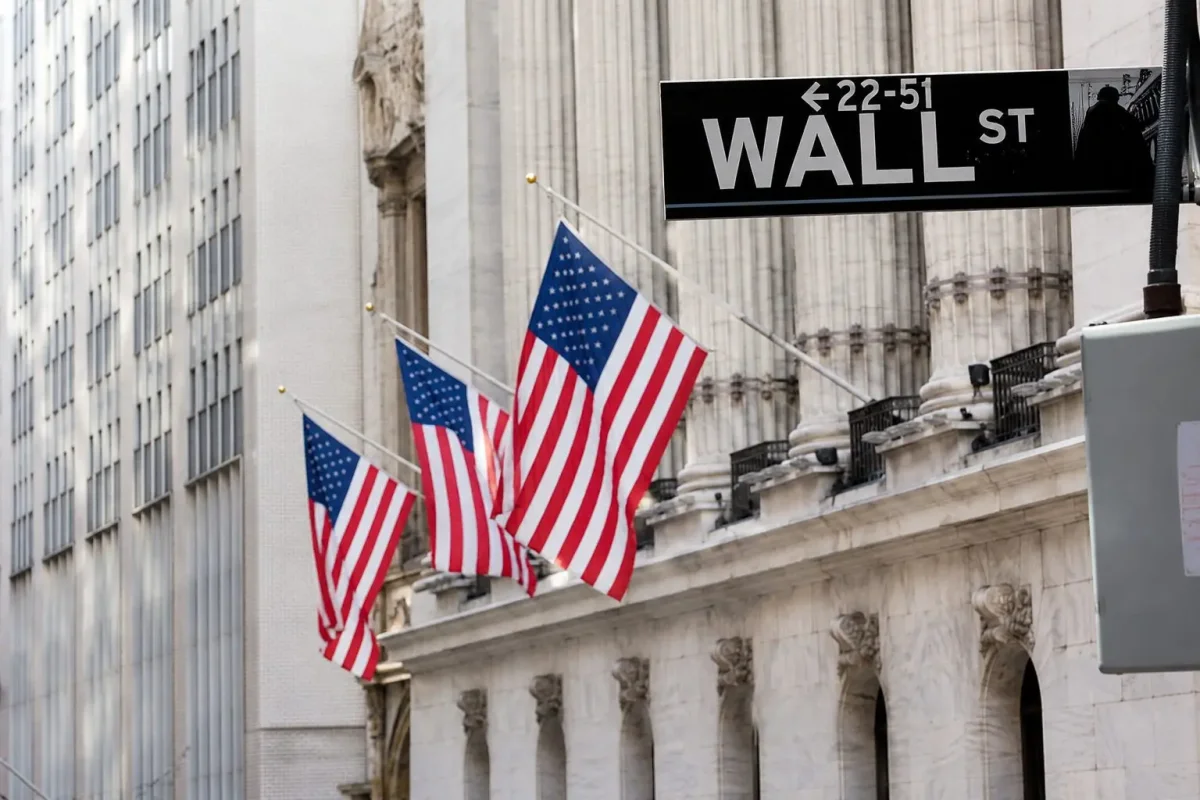
Wall Street opened the week on a positive note as technology and semiconductor stocks rebounded from Friday's selloff, driving the Nasdaq Composite higher by 1.43%. The S&P 500 advanced 0.87% to 7,448.31, while the Dow Jones Industrial Average edged up 0.22%, according to LSEG data.
Chip Sector Leads the Charge
The Philadelphia semiconductor index surged 4.6%, led by Intel, which jumped 8.5% following reports that Alphabet has selected the chipmaker to produce 3 million custom in-house chips. Additionally, Nvidia is reportedly evaluating Intel's manufacturing technology, adding to the positive sentiment. Nvidia shares rose 1.7%, and Micron Technology climbed 8.7%, reflecting renewed investor confidence in the AI-driven demand for computing power.
Investors Eye Inflation Data
Market participants are now turning their attention to Wednesday's release of the May consumer price index (CPI) by the Labor Department. The CPI, which measures what households pay for goods and services, will be closely scrutinized for any signs that energy costs, tariffs, or robust demand are keeping inflation elevated. The data could influence the Federal Reserve's monetary policy stance.
Rate Outlook Diverges Among Banks
Goldman Sachs has adopted a more cautious outlook, expecting the Federal Reserve to hold interest rates steady through 2026 and push any potential cuts to 2027. The bank cited stronger economic activity and employment figures, which have made it difficult for the Fed to justify a rate hike, though it still views hikes as unlikely. In contrast, Citigroup raised its S&P 500 year-end target to 8,100 from 7,700, citing robust corporate profits and AI-driven growth, while acknowledging uncertainty about AI's ability to sustain returns beyond 2027.
Oil Prices Whipsaw
Oil markets experienced volatility overnight, with Brent crude briefly touching near $98 amid tensions between Israel and Iran, before retreating to around $94.29 after Iran announced an end to its operations. The fluctuating oil prices add another layer of uncertainty for investors, as higher energy costs could keep the Fed cautious.
Market Strategists Weigh In
Art Hogan, chief market strategist at B Riley Wealth, noted that market pullbacks are sometimes necessary and could lead to sector rotation rather than a broad exit from equities. Morgan Stanley's Mike Wilson described Friday's selloff as "inevitable and ultimately healthy" for the bull market, maintaining his S&P 500 year-end target of 8,000.
While Monday's bounce in chip stocks provided a lift, the broader market remains sensitive to interest rate expectations and oil price movements. Investors will be closely monitoring the upcoming CPI data for further direction.