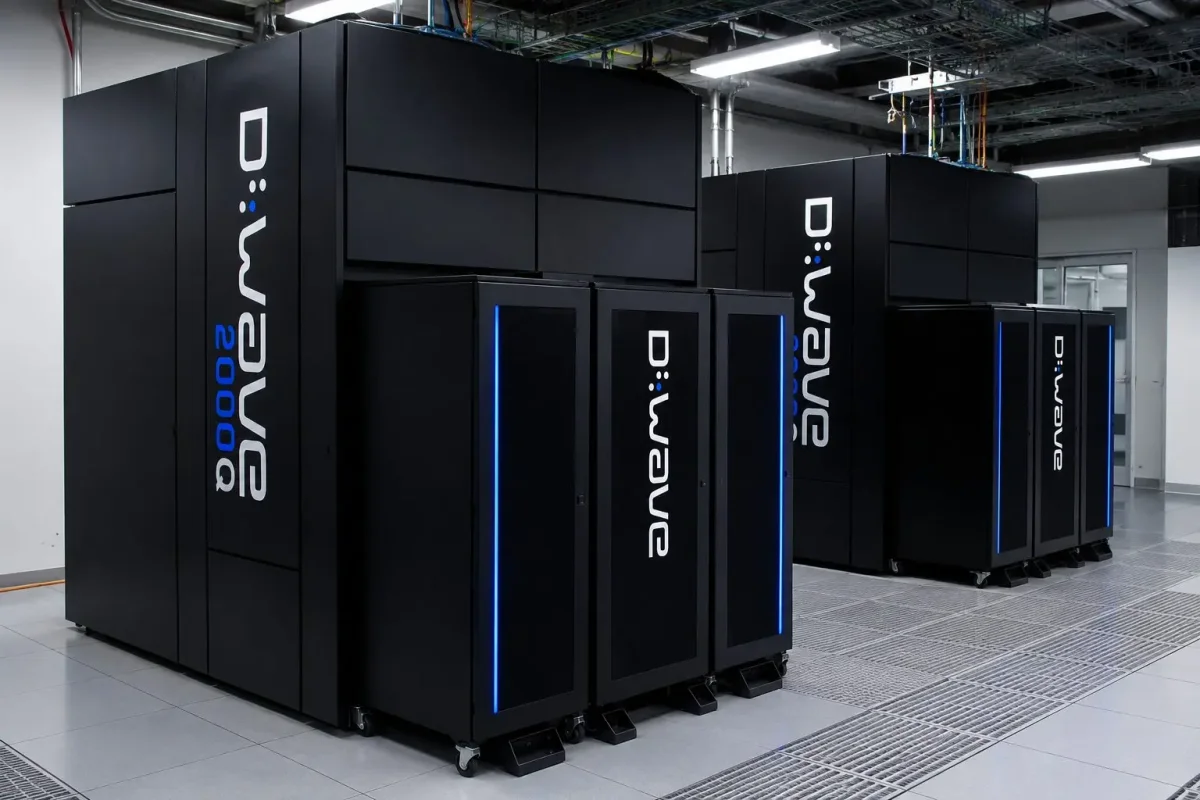
Shares of D-Wave Quantum (QBTS) slid 8.94% on Tuesday, closing at $23.52, as a broad retreat from speculative technology stocks weighed on the quantum computing sector. The stock traded between $22.35 and $26.66 during the session, and settled at $23.40 in after-hours trading, little changed from the close.
Market Context
The decline came as investors rotated away from high-risk tech names ahead of Wednesday's consumer price index (CPI) release. The Nasdaq Composite fell 0.97%, while the S&P 500 slipped 0.26%. The Dow Jones Industrial Average managed a modest gain of 0.17%. Michael P. Reinking, senior market strategist at the New York Stock Exchange, noted that traders are positioning for the inflation report, which could influence interest rate expectations and disproportionately affect early-stage growth companies whose valuations depend heavily on future cash flows.
Sector-Wide Selloff
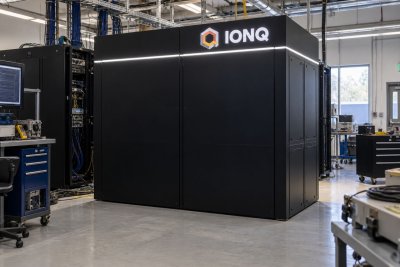
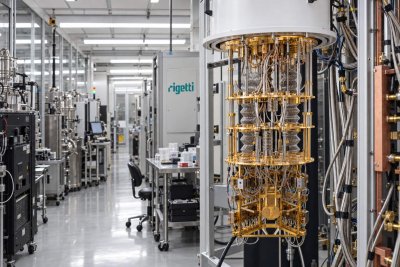
The selloff was not limited to D-Wave. Rivals IonQ (IONQ), Rigetti Computing (RGTI), and Quantum Computing Inc. (QUBT) each fell between 9% and 10% during the session, indicating a sector-wide pullback rather than company-specific weakness. The coordinated decline suggests investors are trimming exposure to the entire quantum computing theme.
Financial Performance
D-Wave's first-quarter results painted a mixed picture. The company reported bookings of $33.4 million, a staggering 1,994% surge year-over-year. Bookings represent signed customer orders expected to convert into future revenue. However, revenue plunged 81% to $2.9 million, largely due to a large system sale in the prior-year period. The net loss for the quarter stood at $18.4 million.
CEO Alan Baratz highlighted "strong execution, expanding commercial adoption, and differentiated technology leadership," pointing to a $10 million quantum-computing-as-a-service deal with a Fortune 100 client. Under this model, customers access quantum machines via the cloud rather than purchasing hardware.
Technology Roadmap and Federal Funding
On June 1, D-Wave unveiled a technical plan targeting 100 logical qubits on its gate-model quantum computer by 2032. Logical qubits are error-corrected, designed to maintain accuracy during operations. Baratz described the roadmap as "a highly differentiated and credible path" to fault-tolerant quantum computing.
Federal support is also on the horizon. On May 21, D-Wave announced a letter of intent for up to $100 million in CHIPS and Science Act funding. If finalized, the U.S. Department of Commerce would receive D-Wave common stock. Baratz called the potential award "a transformative moment" for the company and the industry. However, the deal is not yet finalized, and issuing shares to the government could dilute existing shareholders.
Adoption Trends
Despite the financial headwinds, D-Wave sees accelerating enterprise adoption. Murray Thom, vice president of quantum technology evangelism, cited a June 3 UK business report showing that 65% of large British firms are either using or piloting quantum computing. "Companies were no longer asking if they should explore quantum, but how quickly they can implement it," Thom said.
Analyst Views
Bernstein analyst Mark Newman, in a Barron's note Tuesday, called quantum computing "set to become the next important step in computing," singling out Rigetti and Infleqtion as key players. The sector remains a battleground for investors trying to identify the eventual winners.
Outlook
With revenue uneven and the federal award uncertain, D-Wave faces significant challenges. The company warned that the CHIPS Act deal might not close and that stock issuance could dilute current holders. As tech stocks remain out of favor, Tuesday's nearly 9% drop underscores the market's skepticism about the sustainability of the quantum computing narrative.