Shares of Singapore-based oil trader Delixy Holdings Ltd. experienced a dramatic reversal late Tuesday, soaring 158% in after-hours Nasdaq trading to $2.12. This surge completely erased a 17% decline from the regular session, where the stock closed near $0.82. The violent swing was triggered by a sharp spike in crude oil prices following a significant disruption to Middle Eastern supply routes.
Geopolitical Tensions Rattle Oil Markets
The catalyst for the market turmoil was renewed fighting near Iran, which effectively closed the critical Strait of Hormuz to tanker traffic. This vital maritime chokepoint handles approximately one-fifth of the world's seaborne oil and gas supply. The immediate consequence was a rapid increase in global benchmark prices; Brent crude futures rose 3.3% to $84.07 a barrel, while U.S. West Texas Intermediate climbed 3% to $76.80 by early Wednesday trading in Asia.
Market analysts pointed directly to the U.S.-Israeli conflict with Iran as the primary driver. Kelvin Wong, a senior market analyst at OANDA, noted the situation remains the dominant force shaping oil prices. In response to the shutdown, former President Donald Trump suggested the U.S. Navy might escort commercial tankers through the strait to secure the flow of energy.
Shipping and Insurance Markets in Disarray
The closure has created chaos in the shipping sector, with the Greek shipping minister describing the scene as "alarming and worrying." Numerous vessels are reportedly stuck around the Hormuz region. Perhaps more critically, the insurance market for war-risk coverage is seizing up. Brokers report that underwriters are not only dramatically increasing premiums but are, in some cases, refusing outright to insure transits through the area, leaving some ships without any coverage.
This has severe implications for global supply chains. Major financial institutions are warning of potential shortages. Analysts at J.P. Morgan estimate that if the Strait of Hormuz remains sealed, crude production in Iraq and Kuwait could be taken offline within days, potentially removing up to 4.7 million barrels per day from the market. Other banks, including ANZ and Goldman Sachs, have consequently raised their oil price forecasts.
Delixy's Position and Market Context
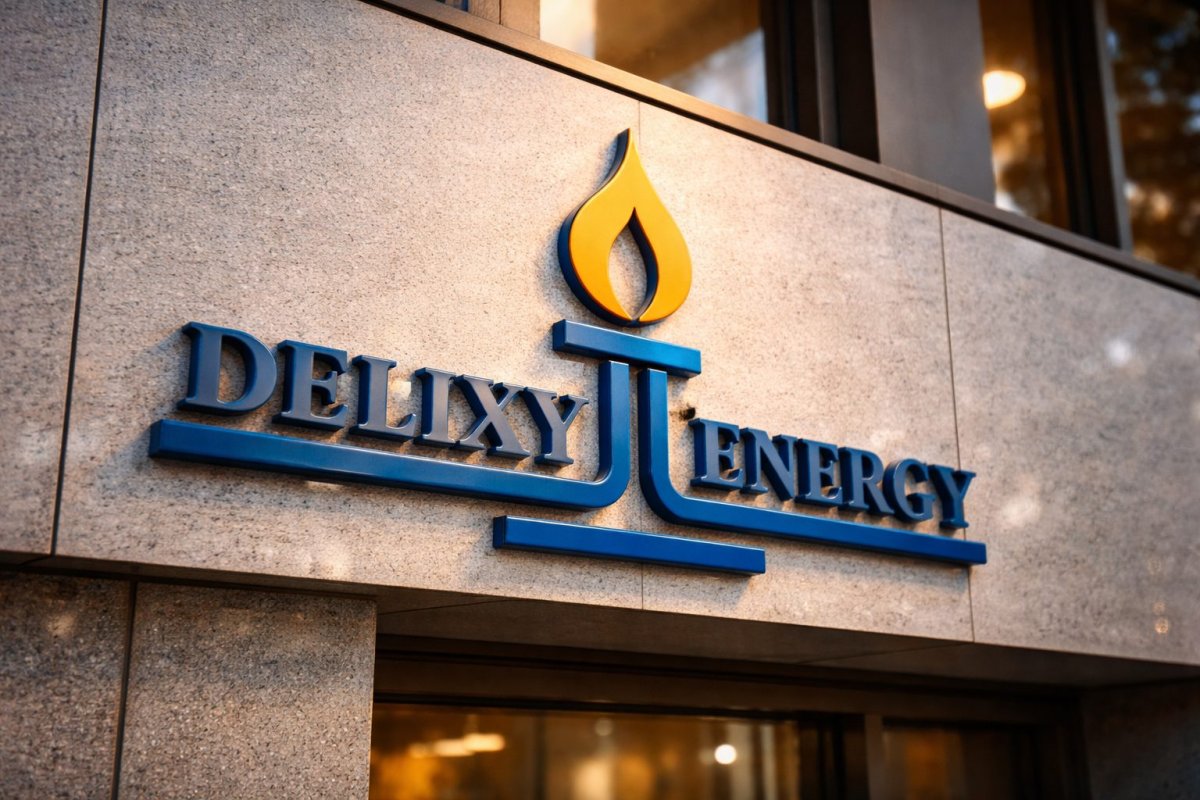
Delixy Holdings, which trades crude oil and a range of petroleum products including fuel oils, gasoline, and petrochemicals, is led by Executive Chairman and CEO Dongjian Xie. The company, with a market capitalization of approximately $13.4 million at Tuesday's close, is considered a micro-cap stock on the Nasdaq. Trading volume exceeded 31 million shares during the regular session, and the stock has traded between $0.61 and $7.16 over the past 52 weeks.
The company's business model as a trader, not a driller, means the current crisis presents a double-edged sword. While skyrocketing prices can fatten margins on certain contracts, severely snarled shipping routes can disrupt physical deliveries and drive up costs for freight and financing. Furthermore, the extreme after-hours move carries a mechanical risk. Extended-hours trading, with its thinner liquidity, often amplifies price swings in low-priced, small-float stocks like DLXY. These gains can reverse just as quickly when the main trading session opens and broader market liquidity returns.
The rally was not isolated to Delixy. The surge in crude prices prompted a broader rush into energy-linked equities during the after-hours period, sending shares of other companies like Battalion Oil and Trio Petroleum significantly higher as well.
The situation underscores the extreme sensitivity of energy markets and related equities to geopolitical shocks in the Middle East. Investors and traders will be closely monitoring developments around the Strait of Hormuz, as any prolonged closure threatens to create a sustained supply shock with global economic ramifications.