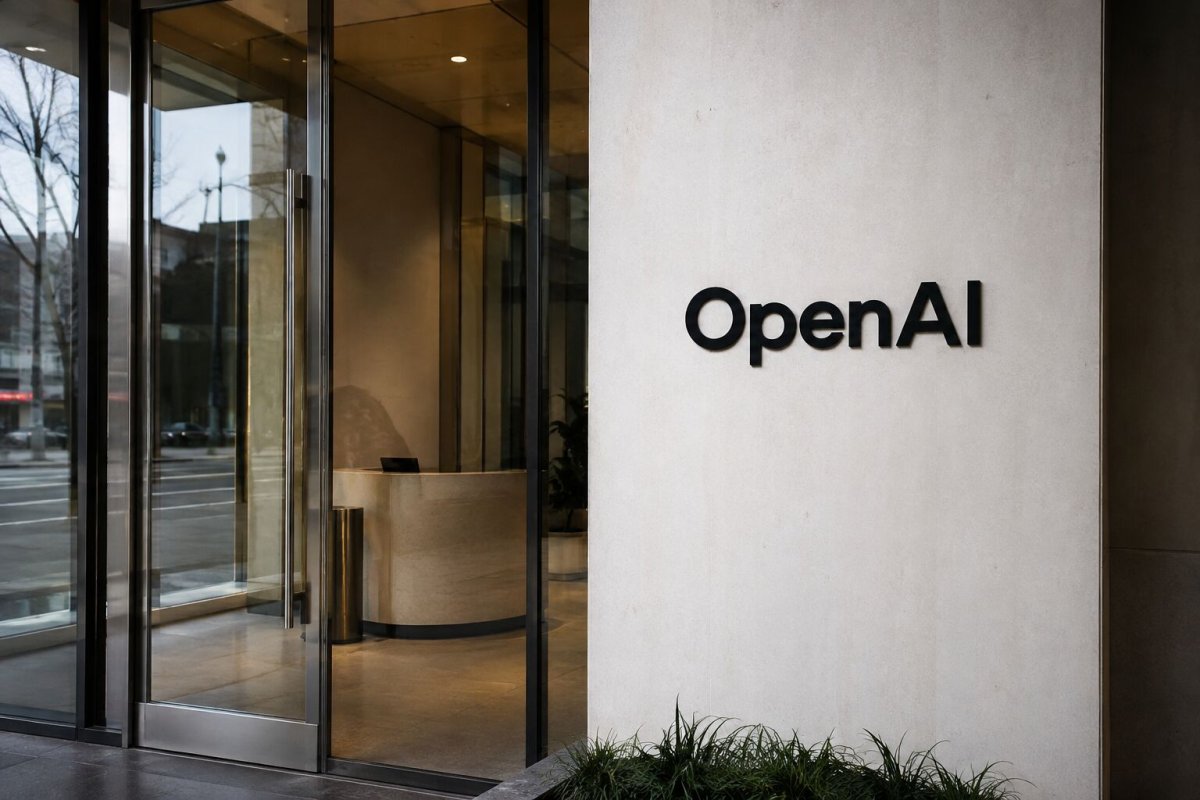
The U.S. Department of Justice has weighed in on a landmark copyright dispute involving OpenAI, throwing its support behind the company's fair use defense. The brief, filed on Tuesday, argues that the public benefits of training AI models on copyrighted material outweigh potential competitive harms. The filing does not resolve the pending litigation but bolsters OpenAI's position on the core issue of training inputs.
OpenAI, last valued at $852 billion post-money with $122 billion in committed capital, faces a lawsuit from The New York Times and other publishers. The DOJ's statement emphasized the 'creative possibilities and public benefits' of model training, aligning with economic and national security objectives. However, the newspaper's spokesperson countered that AI firms should 'pay fairly for the content,' highlighting the ongoing tension.
The case is a critical test for the AI industry. A ruling against fair use could force model developers to pay licensing fees, increasing operational costs. For OpenAI, which reported $2 billion in monthly revenue in March, annualized revenue stands at $24 billion, placing its valuation at 35.5 times that figure. This high multiple leaves little room for unexpected expenses, such as licensing costs or settlement payments.
Microsoft Corporation (NASDAQ:MSFT) serves as OpenAI's primary cloud partner and holds a significant equity stake. Microsoft's licensing agreement with OpenAI extends through 2032, with revenue-sharing arrangements until 2030. The software giant's shares have declined 3.3% over three sessions, closing at $496.82 on Wednesday, reflecting broader tech selloffs and uncertainty surrounding the litigation.
The DOJ's endorsement is not a court ruling, and the judge may disagree with the government's position. The case also involves allegations about outputs and market replacement, which remain unresolved. Legal costs and potential damages are still unclear, adding to investor uncertainty.
OpenAI's path to an IPO is also under scrutiny. CEO Sam Altman described the administration's Astra review as 'productive,' but the company has limited certain model capabilities after designating cyber capability as critical. The IPO timeline is still nascent, and legal clarity is helpful but not the determining factor for investors.
For Microsoft, the litigation's outcome could affect Azure consumption and cloud economics. If OpenAI faces higher costs, it may need additional funding, potentially impacting Microsoft's revenue share. The transmission of copyright risk to investors runs through court rulings, licensing costs, OpenAI's margins, and ultimately Microsoft's cloud and equity value.
Market observers note that the next actionable signal is the court's ruling, not the DOJ's brief. Until then, OpenAI's revenue multiple of 35.5 incorporates legal uncertainty. Investors are also weighing computing requirements, model oversight, and revenue quality, all of which remain key factors in valuing the AI sector.