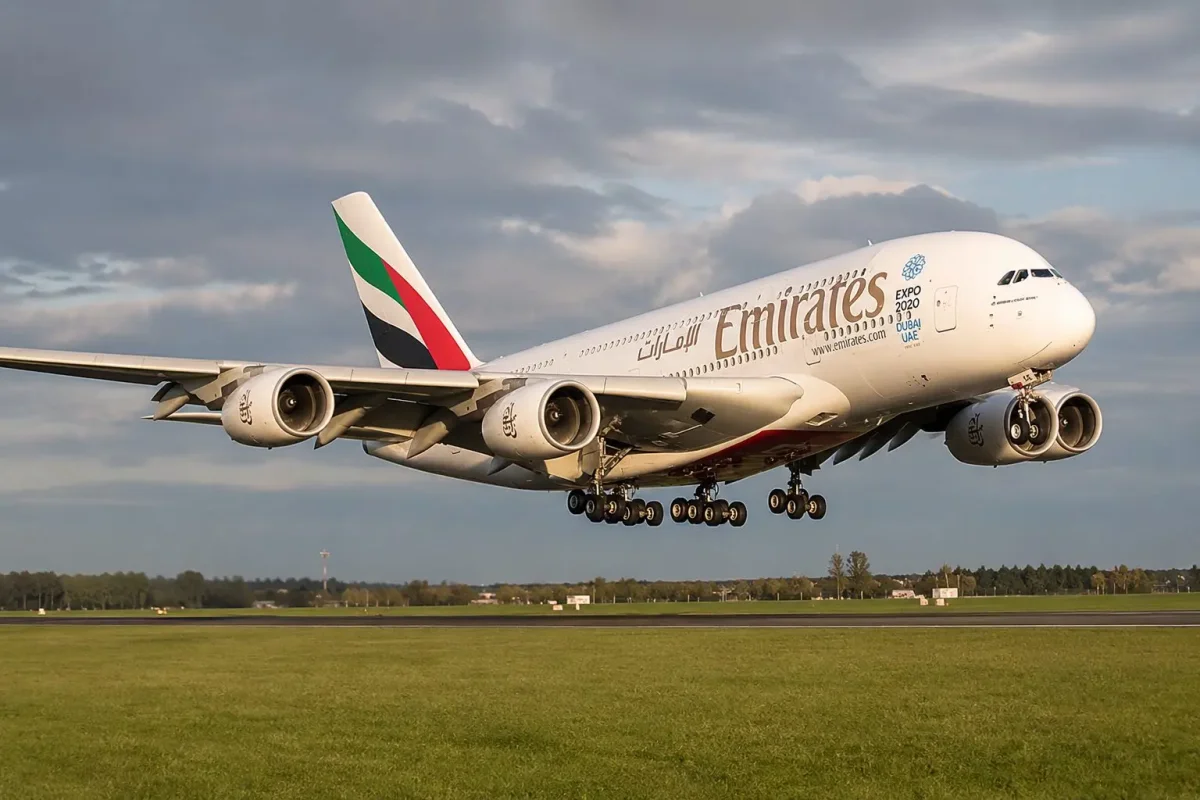
Dubai-based Emirates has reduced Airbus A380 operations on 10 key routes for June, responding to soaring fuel prices and ongoing disruptions in Middle Eastern airspace. The cuts affect services to Copenhagen, Düsseldorf, Frankfurt, Glasgow, London Gatwick, Manchester, Munich, Osaka Kansai, Perth, and Washington Dulles, according to data from AeroRoutes. The airline has swapped out its superjumbo jets for smaller aircraft on these routes, removing hundreds of seats even where flights continue to operate.
Industry-Wide Capacity Reductions
The International Air Transport Association (IATA) has slashed its 2026 global airline net profit forecast to $23 billion, down from an earlier projection of $41 billion. IATA cited a near 40% rise in fuel costs to $350 billion this year, with jet fuel now accounting for 31.4% of airline expenses. "Airlines are bearing the brunt of the fuel price shock," said Willie Walsh, IATA's director general. The pressure is forcing carriers to cut seats or raise fares, with capacity reductions now spreading beyond Gulf carriers.
IndiGo, India's largest airline, plans to suspend flights to six overseas destinations starting July 1, including Hong Kong and Shanghai, blaming higher costs and airspace restrictions. The carrier has also cut 7% to 10% of its domestic flights for June and July. Air India has reduced domestic capacity by 22% for the same period and is trimming some international routes between June and August, though it aims to maintain over 1,200 international flights monthly.
European Carriers Also Affected
Lufthansa, KLM, and other European airlines have trimmed or halted certain routes, Gulf News reported. The capacity cuts come as the industry heads into peak summer travel season with packed flights and few spare aircraft. "The market will respond and demand will soften and then you fly less," said Air New Zealand CEO Nikhil Ravishankar at the IATA meeting in Rio de Janeiro.
Emirates' June schedule has been reduced by as much as 16%, representing roughly 480,000 to 500,000 seats, according to Cirium data cited by AGBI. "A season of disciplined consolidation, not growth," said Linus Benjamin Bauer, founder of BAA and Partners.
Higher Fares and Supply Chain Woes
Lower capacity during peak travel means fewer options for passengers, making rebooking tougher and keeping ticket prices elevated. Walsh told Reuters that fares will likely remain high if demand holds and capacity stays low. Airlines are trying to pass on higher fuel costs through fares but are cautious about killing demand.
Beyond fuel, supply chain issues are adding pressure. At the IATA meeting, airline CEOs pressed engine makers about repair backlogs and grounded planes. United Airlines CEO Scott Kirby said engine shortages represent the "biggest constraint" for the next five years or more. IATA estimates supply-chain disruptions are costing airlines an extra $11 billion.
Emirates' schedule could still change, with the second half of June more uncertain. Airlines may restore some flights if airspace conditions improve, but further cuts are possible if fuel or security concerns worsen.