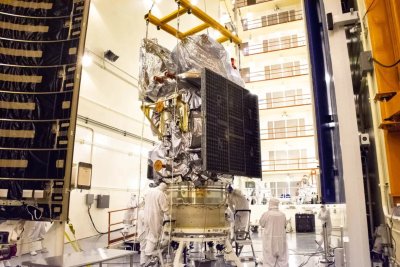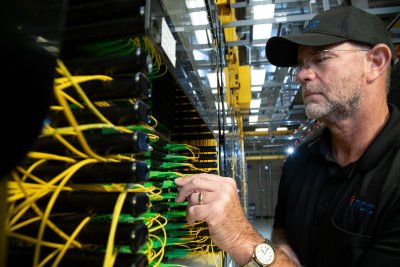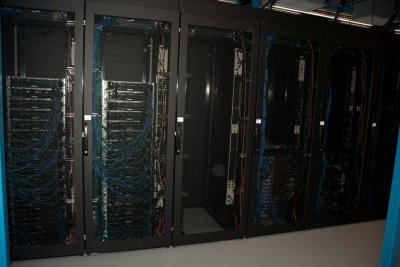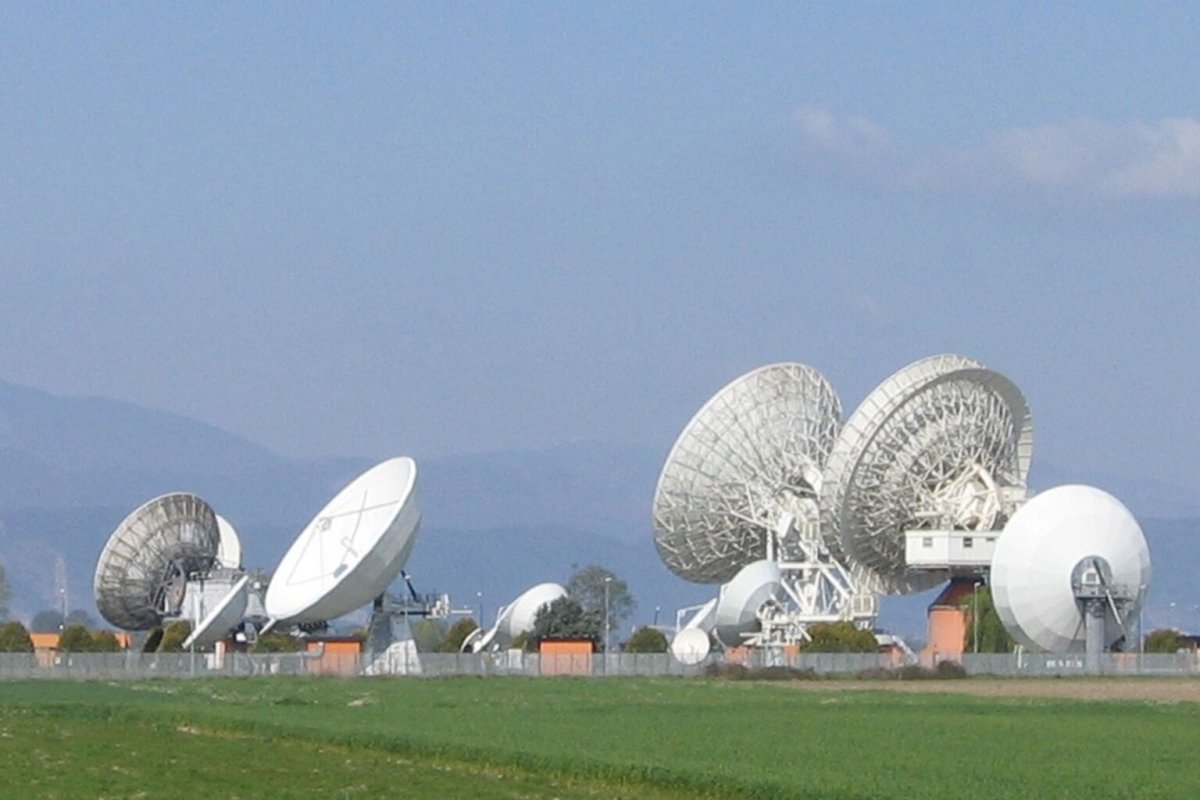
In a significant step for Europe's satellite navigation infrastructure, Telespazio and the European Union Agency for the Space Programme (EUSPA) have formalized an agreement to expand the Galileo control center located in Fucino, Italy. The October 26 announcement outlines plans for two new buildings dedicated to supporting the system's second-generation satellite constellation. This development comes as the Fucino site, which already houses 30 control rooms and 40 equipment rooms across a 6,000-square-meter footprint, prepares to accommodate more advanced operational requirements.
Expansion Details and Context
The agreement, reported by Radiocor, does not specify a completion date or the additional floor area for the new structures, leaving the scale and timeline of the capacity increase unquantified. However, it underscores the ongoing modernization of Galileo's ground segment. The Fucino facility, originally opened in 2010 and expanded in 2021, is set to host equipment and operations that demand the highest security classifications. Telespazio will oversee design, civil engineering, verification, and testing, with ownership of the entire infrastructure eventually transferring to Italian authorities. EUSPA is contributing on behalf of the European Commission.
New Antenna Already Operational
Separately, a new antenna at Fucino, designated TTCF-8, has already entered routine service, alongside a refurbished station in Redu, Belgium (TTCF-5). EUSPA confirmed this milestone on October 23. Both stations are the first to utilize the Monitoring and Control infrastructure version 7.2, which EUSPA identifies as the future standard for the station network. The remaining facilities will be upgraded in stages, with the agency linking these changes to enhanced cybersecurity and support for both current and future Galileo operations. Spaceopal led the operational validation before routine service began.
Strategic Importance and Market Impact
Galileo, Europe's global navigation satellite system, already serves over 4.5 billion users worldwide, according to EUSPA. The expansion at Fucino is critical to maintaining service reliability while upgrading control infrastructure. The site operates in parallel with Germany's Oberpfaffenhofen center, jointly managing the constellation and generating navigation signals. Fucino also handles central security operations and monitors the data-distribution network. Telespazio CEO Gabriele Pieralli emphasized that the expansion will strengthen the system's reliability and security, though no specific improvements in service availability were quantified.
Background on Second-Generation Satellites
The expansion is part of a broader upgrade that includes the procurement of 12 second-generation Galileo satellites, contracted by ESA in 2021 under contracts worth €1.47 billion. These satellites feature digital payloads that can be reconfigured in orbit and inter-satellite links for routine performance cross-checks, reducing reliance on ground installations. However, ground operations remain essential for generating and distributing navigation products. The construction announcement does not specify when the new satellite capabilities will become operational.
Risks and Outlook
Integrating highly classified facilities could delay readiness, and the agreement provides no measured improvement in positioning accuracy attributable to the construction. Acceptance, security checks, and operational validation will determine whether the new buildings can support their intended services. EUSPA has not given a completion date for the remaining antenna-station upgrades, leaving the timeline for full second-generation support uncertain. Investors and industry observers will watch for further announcements on project milestones.