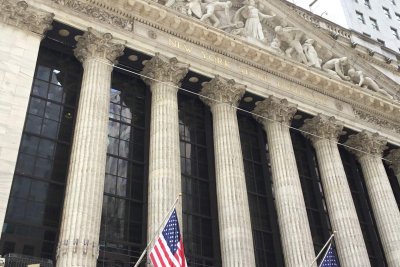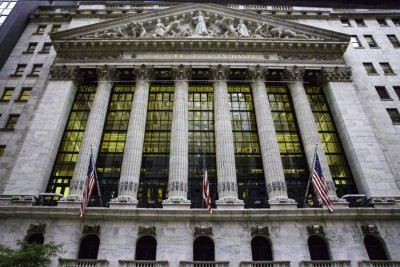
Financial markets convulsed on Monday as a fresh escalation of military action in the Middle East sent investors scrambling for traditional safe-haven assets. The catalyst was a series of U.S. and Israeli strikes on Iranian targets, which immediately heightened geopolitical uncertainty and fears of a broader regional conflict.
Safe Havens in Demand
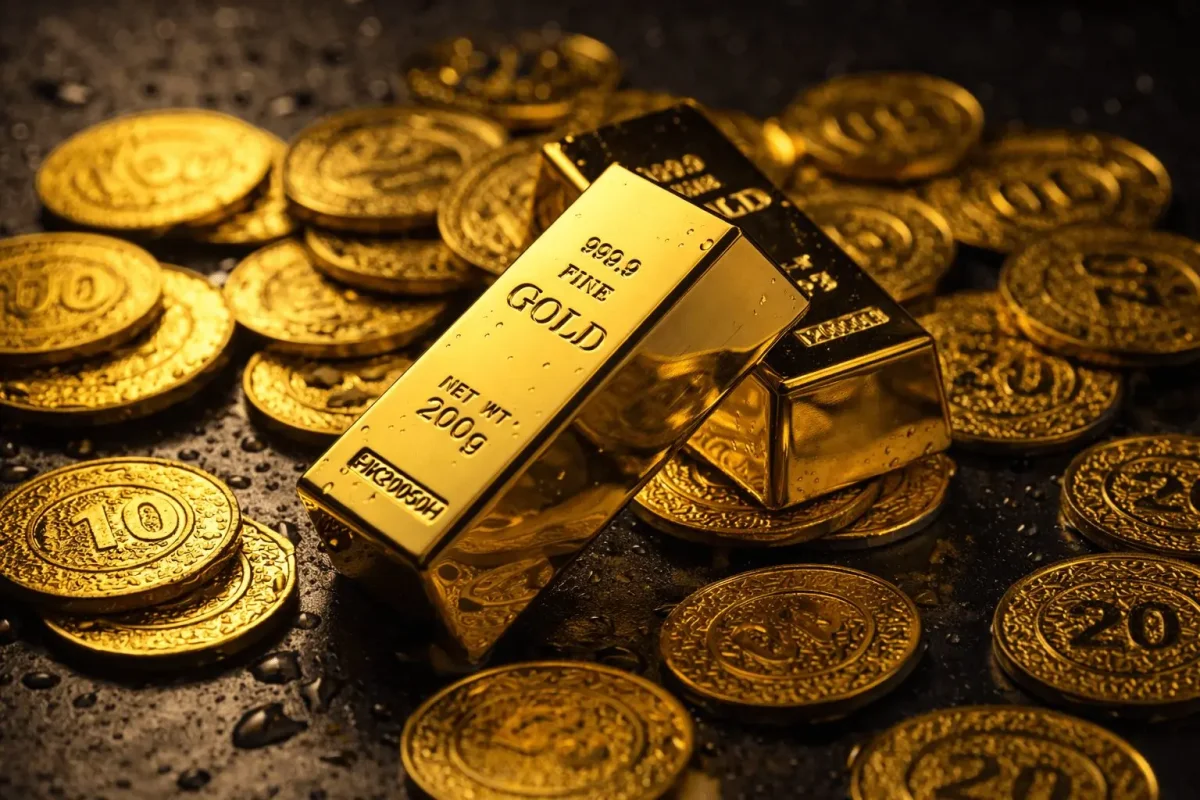
The immediate beneficiary was gold, with spot prices climbing 2% to $5,384.41 per ounce by late morning trading in Europe, approaching recent record levels after an intraday peak of $5,418.50. U.S. gold futures saw an even sharper rise, gaining 2.9% to $5,397.40. Analysts noted that bullion's surge was driven primarily by a wave of risk aversion, as market participants sought shelter from the sudden geopolitical shock. "Right now, the market is attempting to figure out whether these attacks are going to be followed up over the next several weeks," said David Meger, director of metals trading at High Ridge Futures. "It's that uncertainty that is more than likely to support prices."
Energy Markets Roiled
The energy complex experienced dramatic moves, with Brent crude oil futures soaring nearly 9% to $78.90 a barrel, after briefly surpassing $82 earlier in the session. The sharp increase reflects acute concerns over potential disruptions to oil shipments from the critical Persian Gulf region. Iran has already launched missiles and drones targeting Israel and Gulf states, while Israel has expanded its retaliatory strikes to include Lebanon. The volatility underscores the market's struggle to price in the conflict's duration and potential spillover effects. U.S. President Donald Trump indicated the offensive could continue for up to four weeks, adding to the uncertainty.
Michael Field, chief European equity strategist at Morningstar, summarized the prevailing mood: "For now, the market will be trying to ascertain how long the conflict will be likely to last and whether it will draw in other nations."
Equities and Broader Market Impact
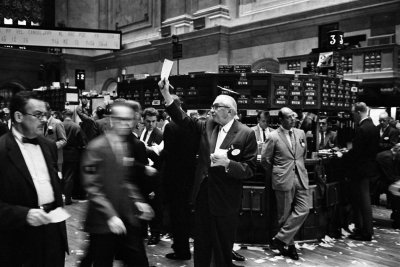
Risk-off sentiment weighed heavily on global equity markets. Europe's benchmark STOXX 600 index fell 1.6%, while futures for the U.S. S&P 500 pointed to an opening decline of 1.1%. The U.S. dollar also gained ground as a relative safe haven. Other precious metals failed to keep pace with gold's rally. Spot silver declined 0.6% to $93.23 an ounce, platinum shed 1.7% to $2,324.40, and palladium dropped 1.1% to $1,767.00.
Longer-Term Drivers for Gold
Beyond the immediate crisis, analysts point to structural factors supporting gold demand. SP Angel highlighted a trend of geopolitical fragmentation driving central banks in BRIC nations—Brazil, Russia, India, and China—to diversify away from U.S. dollar-denominated assets and increase their gold reserves, a trend they see continuing. Furthermore, BNP Paribas identified physical investment demand as a key price driver for 2026, noting that physically backed gold exchange-traded funds (ETFs) have absorbed approximately 2 million ounces since January. The bank also observed strengthening purchases from Chinese bar and coin buyers compared to 2025 levels.
Inflation and Federal Reserve Implications
The surge in oil prices presents a new complication for central banks, particularly the U.S. Federal Reserve. A sustained spike in crude could reignite inflationary pressures, potentially forcing the Fed to maintain higher interest rates for longer than currently anticipated. This scenario would create a challenging environment for both bonds and non-yielding assets like gold. The immediate market focus, however, is on a wave of upcoming U.S. labor market data. Reports on ADP employment, weekly jobless claims, and Friday's non-farm payrolls will be scrutinized for any signals about the strength of the economy and the likely path of monetary policy.
Risks and Alternative Plays
The gold rally faces clear reversal risks, including a surprise diplomatic de-escalation, minimal actual disruption to energy supplies, or simply market exhaustion. In related markets, with Indian commodity exchanges closed, some traders turned to crypto proxies; the gold-backed token Tether Gold reportedly jumped close to 4% over the weekend. The overarching narrative remains one of caution, as markets brace for further developments in a rapidly evolving geopolitical landscape while simultaneously parsing domestic economic data for guidance on the interest rate horizon.