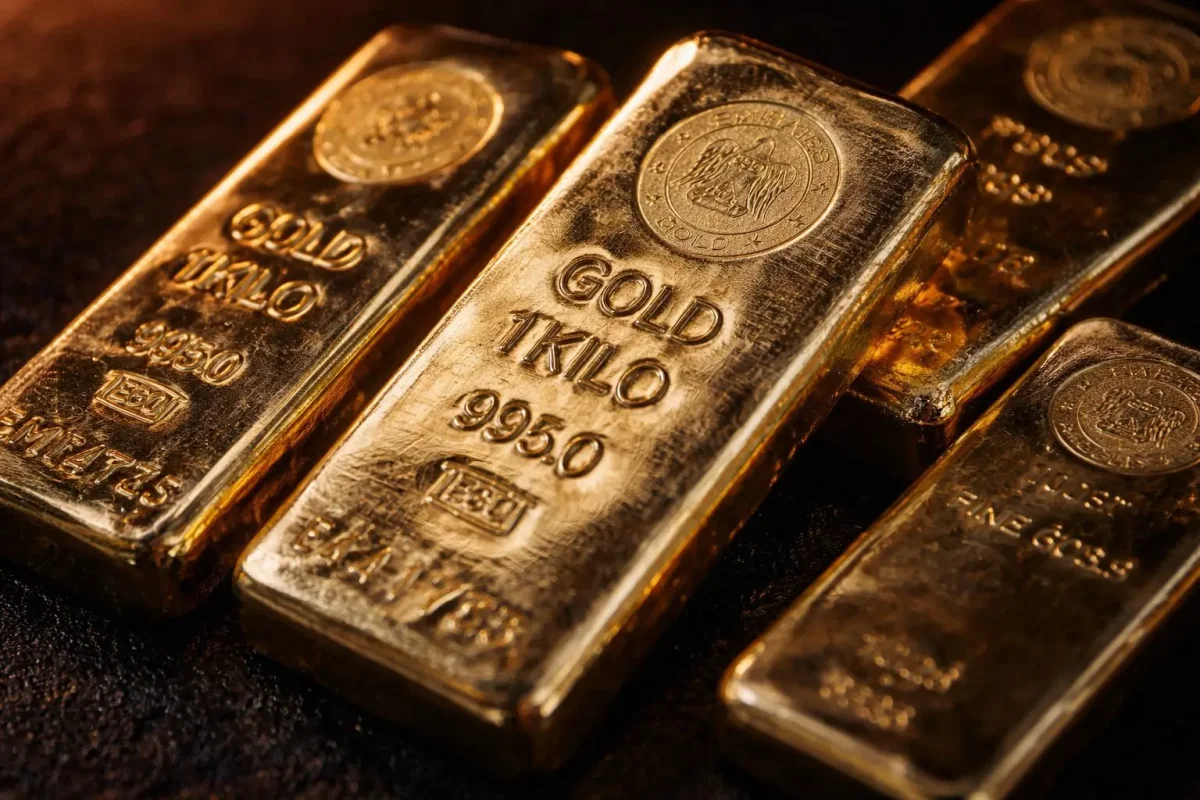
Gold prices staged a modest recovery during Tuesday's early New York session, though the precious metal remained poised to record its most significant monthly decline since the global financial crisis of 2008. Spot gold, reflecting immediate delivery prices, traded at $4,572.89 per ounce by 8:50 a.m. EDT, having reached its highest level since March 20 earlier in the day. Despite this uptick, bullion has fallen 12.4% over the course of March.
This performance contradicts gold's traditional role as a safe-haven asset during periods of heightened geopolitical tension and inflation. While the conflict involving Iran has driven oil prices higher and lifted inflation expectations, it has simultaneously led traders to reduce bets on interest rate cuts. This creates a challenging environment for non-yielding assets like gold, which face pressure from rising real bond yields.
By 9 a.m. ET, gold was quoted at $4,578 an ounce, marking an $11 gain from Monday's close. However, this minor rebound has failed to provide the protective shield investors typically seek during market shocks. The energy complex, in contrast, absorbed the immediate impact of the conflict. Brent crude futures advanced 2.4% to $115.50 a barrel. Analysts have subsequently raised their 2026 Brent price forecast by 30%, citing the closure of the Strait of Hormuz—a critical maritime passage handling approximately one-fifth of global oil and liquefied natural gas shipments.
Analyst Perspectives on the Rally
Market strategists offered cautious interpretations of gold's Tuesday movement. Peter Grant, Vice President and Senior Metals Strategist at Zaner Metals, described the rally as "encouraging" but indicated he would await further gains before declaring a definitive trend reversal. He warned that any developments increasing the likelihood of a Federal Reserve interest rate hike could exert renewed downward pressure on gold prices. This near-term headwind exists alongside longer-term supportive factors like ongoing de-dollarization trends and consistent central bank purchasing.
Forecasts for the metal remain varied. BMI maintained its average 2026 gold price forecast at $4,600, while Goldman Sachs reiterated a year-end 2026 target of $5,400. Jim Wyckoff, senior analyst at Kitco Metals, noted that traders are monitoring crude oil prices, bond yields, and dollar strength as closely as battlefield updates, with no apparent de-escalation in the conflict. Fawad Razaqzada of City Index and FOREX.com identified the $4,700 to $4,750 range as a critical resistance zone for gold's next potential sustained advance.
Pressures Behind the Sell-Off
The recent downturn has thrust gold into an unfavorable spotlight. Since the conflict began on February 28, prices have retreated roughly 15%. Analysts attribute the decline to a confluence of factors: rising inflation-adjusted Treasury yields, central banks liquidating portions of their reserves, and speculators withdrawing capital from gold-backed exchange-traded funds. Notably, Turkey sold an estimated $8 billion worth of gold over a two-week period ending March 20. Global ETF holdings, which had expanded by 25% over the preceding year to approximately 4,200 tonnes, have begun to contract as investor participation wanes.
The weakness has not been isolated to gold. Silver gained 4.1% on Tuesday to $72.82 per ounce but still confronted a daunting 22.4% monthly loss for March. Platinum and palladium also registered session gains but were similarly headed for monthly declines. BNP Paribas anticipates silver will trade within a $65 to $75 range through 2026.
Uncertain Path Ahead
The sustainability of the rebound is far from assured. Ole Hansen, head of commodity strategy at Saxo Bank, cautioned that if supply disruptions persist for several more weeks, crude oil could enter "demand destruction territory," where sustained high prices erode consumption. This scenario would likely maintain inflationary pressures and keep interest rates elevated, a negative backdrop for gold. Conversely, any tangible signs of a ceasefire in the conflict could diminish the safe-haven flows that have provided gold with modest support this week, presenting a complex risk landscape for the metal.
The market now watches for signals from macroeconomic data and central bank commentary, which will influence real yields and the dollar, alongside developments in the Middle East that directly impact energy prices and broader risk sentiment.