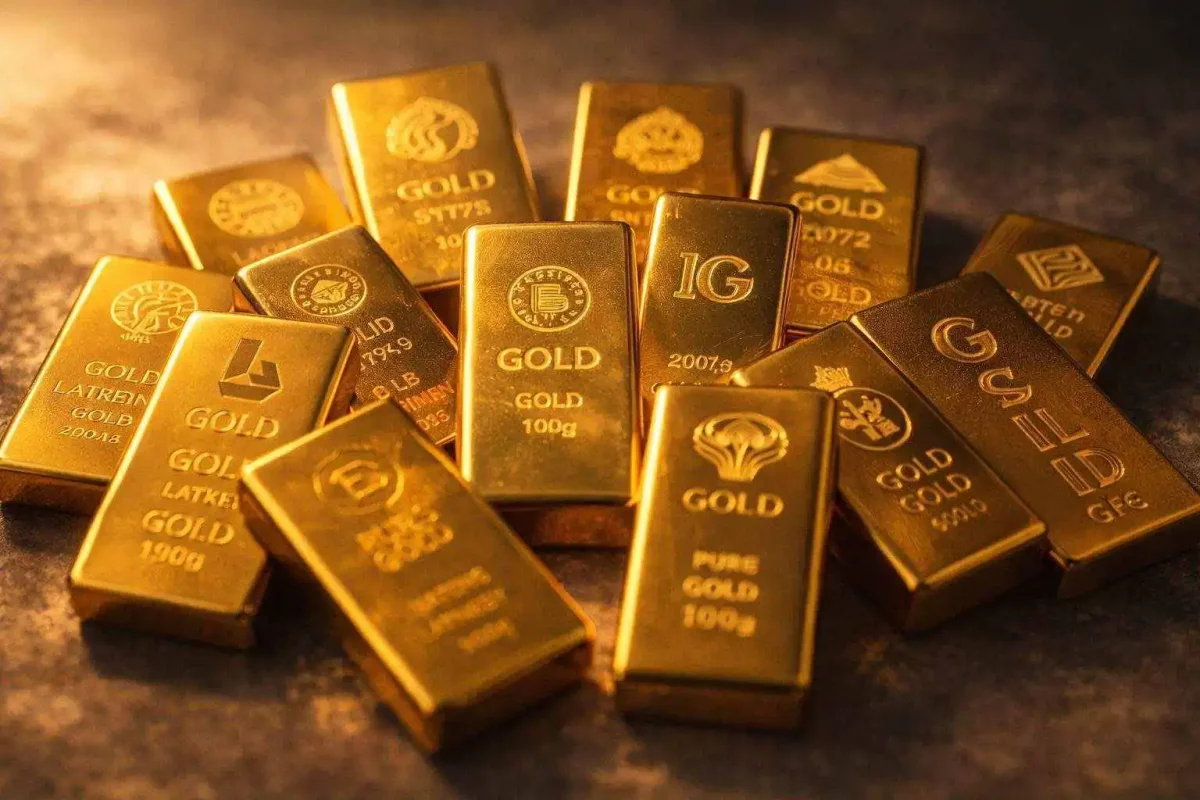
Gold prices moved lower on Thursday, surrendering earlier gains as financial market forces overpowered the metal's traditional role as a geopolitical safe haven. Spot bullion eased 0.3% to $5,159.04 per ounce by late morning trading in New York, while U.S. gold futures mirrored the decline, slipping to $5,165.10.
Dollar and Rates Apply Downward Pressure
The primary headwinds emerged from currency and interest rate markets. The U.S. dollar index firmed, making dollar-denominated gold more expensive for holders of other currencies. Concurrently, market expectations for the timing of the first Federal Reserve interest rate cut continued to be pushed further into the future. Futures pricing now suggests the initial reduction may not arrive until September, with the probability of a second cut in 2024 fading significantly.
This shift followed the latest inflation data. The U.S. Bureau of Labor Statistics reported that the Consumer Price Index (CPI) rose 0.3% in February, translating to a 2.4% annual increase. The core CPI, which excludes volatile food and energy components, climbed 0.2% for the month. This persistent, albeit moderating, inflation reinforces the Federal Reserve's cautious stance, compelling it to maintain its benchmark policy rate at a multi-year high. In a higher-rate environment, non-yielding assets like gold lose appeal compared to interest-bearing securities.
Geopolitical Tensions Provide Countervailing Support
The market found itself in a familiar tug-of-war. On one side, escalating tensions in the Middle East, including renewed attacks on commercial shipping in the Gulf region, provided a classic catalyst for haven demand. These events propelled Brent crude oil futures above the psychologically significant $100 per barrel mark and contributed to a rise in government bond yields.
Analysts highlighted the inflationary risk embedded in sustained high energy prices. Monica Guerra, Head of U.S. Policy at Morgan Stanley Wealth Management, noted that stubbornly elevated oil costs could translate to "a higher fed funds rate for longer," a scenario historically negative for gold despite its safe-haven attributes.
Market Sentiment and Analyst Views
Peter Grant, Vice President and Senior Metals Strategist at Zaner Metals, characterized the environment as a "push-and-pull" dynamic, with gold torn between demand fueled by war risk and the persistent overhang of potentially restrictive monetary policy.
The day's decline follows a remarkable surge in gold over the past year. Spot prices had reached a record high of $5,594.82 on January 29. Major financial institutions remain broadly bullish on the long-term trajectory. JPMorgan reaffirmed its price target of $6,300 per ounce by the end of 2026 last month, while Bank of America has outlined a scenario where gold could reach $6,000 within the next twelve months.
Equity Market Repercussions
The weakness in bullion reverberated through equity markets, particularly among mining companies. On the Toronto Stock Exchange, the materials sector fell 1.7%, led lower by declines in major gold producers. This contrasted with the energy sector, which found support from rising crude oil prices, helping to limit broader market losses.
Despite the current pressure, miners are entering this phase from a position of relative strength. Harmony Gold reported on Wednesday that its half-year profit increased by 13%, with its interim dividend more than doubling. For many producers, higher realized gold prices over recent quarters have helped offset challenges related to production volumes and ore grades.
Outlook: Inflation vs. Growth
The path forward for gold appears heavily dependent on the interplay between inflation and monetary policy. Gus Faucher, Chief Economist at PNC Financial Services, observed that "the inflation risk is greater than the labor market risk" at present, suggesting the Fed's focus will remain on price stability.
Market participants and economists are divided on the timing of policy easing. While futures markets point to September, a recent Reuters poll of economists still projects June as the most likely start date for the cutting cycle. This discrepancy sets the stage for potential volatility, as bullion remains highly sensitive to any shift in rate expectations. If oil prices continue to fuel inflationary pressures and bond yields edge higher, gold could face further near-term pressure, even as its long-term structural drivers remain intact.