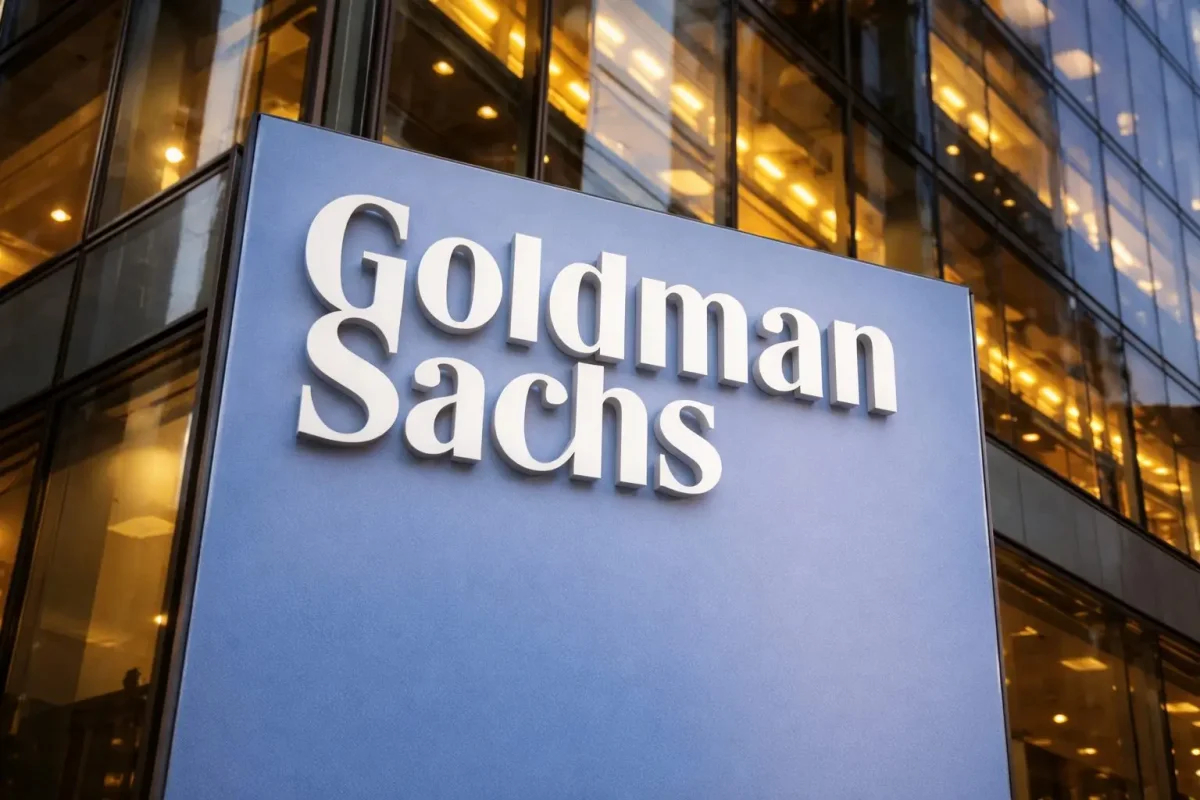
Shares of Goldman Sachs Group Inc. demonstrated notable strength in Monday's trading session, climbing approximately 1% to $863.84 by late morning. This upward move represented a partial recovery from the steep losses the stock endured during the previous week's market downturn.
Divergent Performance in a Stressed Market
The bank's positive performance stood in stark contrast to the broader market sentiment, which remained under significant pressure. Major equity indexes trended lower as investors reacted to escalating geopolitical tensions in the Middle East. Reports of joint U.S. and Israeli military strikes against Iran sent shockwaves through commodity markets, with crude oil prices soaring more than 8% in response. This sharp increase in energy costs reignited concerns about persistent inflation and its potential impact on the Federal Reserve's interest rate trajectory.
"The market is taking it relatively well," observed Adam Turnquist, chief technical strategist at LPL Financial, in comments to Reuters. However, the underlying anxiety was palpable, driving capital toward traditional safe-haven assets.
Goldman's Specific Catalysts and Sector Context
Several firm-specific factors contributed to Goldman's relative outperformance. The stock began trading ex-dividend on Monday, March 2, 2026, setting the stage for its next quarterly cash distribution. Shareholders of record will receive a payment of $4.50 per share, scheduled for March 30.
Additionally, the bank moved to address investor concerns regarding its private credit operations. In a letter to investors reviewed by Reuters, Goldman Sachs disclosed that redemption requests for its GS Credit funds totaled 3.5% for the fourth quarter. This figure was notably below the 5%-plus rate the firm indicated is typical among its competitors in the private credit space, a market segment that operates largely outside traditional banking channels through fund structures.
The financial sector exhibited mixed performance. While Goldman found buyers, shares of other major institutions like Bank of America and Citigroup traded lower in early activity, succumbing to the broader risk-off mood.
Macroeconomic Risks and the AI Factor
Analysts warned that the oil price shock could have lasting consequences. Wells Fargo strategist Ohsung Kwon highlighted a concerning scenario to Reuters: if crude oil sustains a price above $100 per barrel, it could trigger a significant repricing of credit risk and potentially drive the S&P 500 index down toward the 6,000 level, applying fresh pressure to all risk assets.
Beyond immediate geopolitical and commodity concerns, Goldman's investors are also weighing longer-term structural risks. The bank's recent investor communication explicitly addressed the potential for artificial intelligence-driven disruption to filter into areas like leveraged loans and private credit holdings. Goldman stated it "does not underestimate the risk of AI disruption" and emphasized its ongoing efforts to scrutinize new deals for exposure to such technological shifts.
Looking Ahead: Key Data and Fed Meeting
Market participants are now turning their attention to upcoming economic catalysts. The next major data point is the U.S. Employment Situation report for February, scheduled for release on Friday, March 6, at 8:30 a.m. Eastern Time. This report will provide crucial insights into the health of the labor market.
Subsequently, the Federal Reserve's Federal Open Market Committee (FOMC) is set to convene for its two-day policy meeting on March 17-18. Investors will parse the central bank's statement and economic projections for clues on the future path of interest rates, especially in light of the new inflationary pressures stemming from the oil market.
Goldman Sachs often serves as a high-beta proxy for overall market risk sentiment. Its shares tend to react to shifts in deal-making activity, trading volumes, and credit conditions well before broader economic trends become fully apparent. The presence of buying interest in GS following a sharp decline may signal that some investors are beginning to look beyond the most pessimistic near-term scenarios, even as significant macro headwinds persist.