Grab Holdings Limited, the Southeast Asian super-app operator, is navigating significant regulatory and operational shifts in two of its key markets. In Indonesia, the company is preparing a substantial cash outlay for driver and courier bonuses ahead of the Idul Fitri holiday, compelled by a new government circular. Concurrently, its Malaysian financial services arm is adjusting consumer credit terms, signaling a tightening in its fintech offerings.
Indonesia's Eid Bonus Mandate
The Indonesian Ministry of Manpower issued Circular Letter No. M/4/HK.04.00/III/2026, which raises the mandatory minimum cash bonus, known as Bonus Hari Raya (BHR), for eligible app-based transportation and delivery partners. The new rule increases the payout to at least 25% of a partner's average net income over the preceding 12 months, up from the previous 20% requirement. Furthermore, the regulation mandates that this cash payment be distributed at least one week before the holiday.
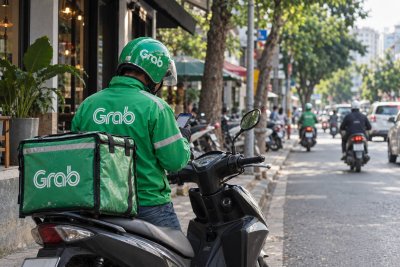
In response, Grab Indonesia has announced it will allocate between 100 billion and 110 billion Indonesian rupiah (approximately $6.5 million to $7.2 million USD) to fund these bonus payments. According to reports, Grab, alongside competitors Gojek (owned by GoTo), Maxim, and inDrive, collectively faces a total BHR obligation of around 220 billion rupiah for an estimated 850,000 online motorcycle and taxi drivers across the archipelago.
Structural Impact and Driver Incentives
The regulatory change arrives during the Ramadan period, traditionally marked by increased consumer spending. It also sharpens the distinction between formal employees and "partner" contractors within Indonesia's vast gig economy. Platforms like Grab rely heavily on incentives to attract and retain drivers in the competitive ride-hailing and delivery sectors. Increased mandatory bonus costs may pressure companies to reduce other promotional spending or accept slimmer margins, particularly if consumer demand wanes after the holiday surge.
Grab Indonesia's CEO, Neneng Goenadi, stated the company's BHR program is designed around partner productivity from the past year, aiming to provide meaningful support during the festive season. The company's payout structure offers motorcycle partners bonuses ranging from 150,000 rupiah to 850,000 rupiah, while car partners can receive between 200,000 rupiah and 1.6 million rupiah. Additionally, Grab has earmarked 105 Umrah pilgrimage packages for its top-performing drivers.
GoTo, for its part, has allocated 110 billion rupiah for Gojek drivers, emphasizing that the bonus extends beyond mere financial aid. Both companies have clarified that the BHR is distinct from the Tunjangan Hari Raya (THR), the official holiday allowance mandated for permanent employees.
Malaysian Fintech Adjustment
Separately, Grab's operations in Malaysia are adjusting the terms of its Buy Now, Pay Later (BNPL) service, PayLater. Effective March 9, 2026, Grab Malaysia will implement a flat monthly interest rate of 1.25% on new instalment purchases, discontinuing a previous promotional rate of 1%. The company confirmed that existing instalment plans will remain unchanged under their original terms. This new rate is set to remain in effect through May 31, with any subsequent adjustments to be communicated via the app.
Market Context and Financial Implications
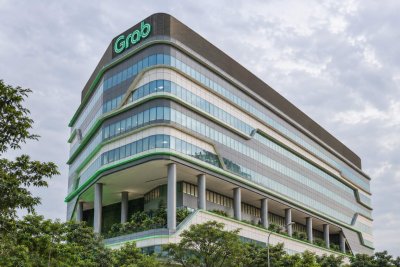
Singapore-based Grab operates a diversified "superapp" spanning deliveries, ride-hailing, and digital financial services across Southeast Asia, with a significant presence in Indonesia, Malaysia, Singapore, Thailand, and Vietnam. The dual developments highlight the company's ongoing balancing act between regulatory compliance, competitive positioning, and financial sustainability.
The new Indonesian bonus formula could lead to even larger future payouts if driver earnings increase or if regulators expand eligibility beyond the highest-frequency partners. For Grab, rising incentive costs over time could strain efforts to maintain competitive pricing in a crowded market while retaining drivers who may be tempted by rival platforms.
Investors showed a muted initial reaction to the news. Grab's U.S.-listed shares (NASDAQ: GRAB) were largely unchanged in premarket trading, hovering around $4.10. The company's ability to manage these increased operational costs while continuing its path toward profitability remains a key focus for market observers.