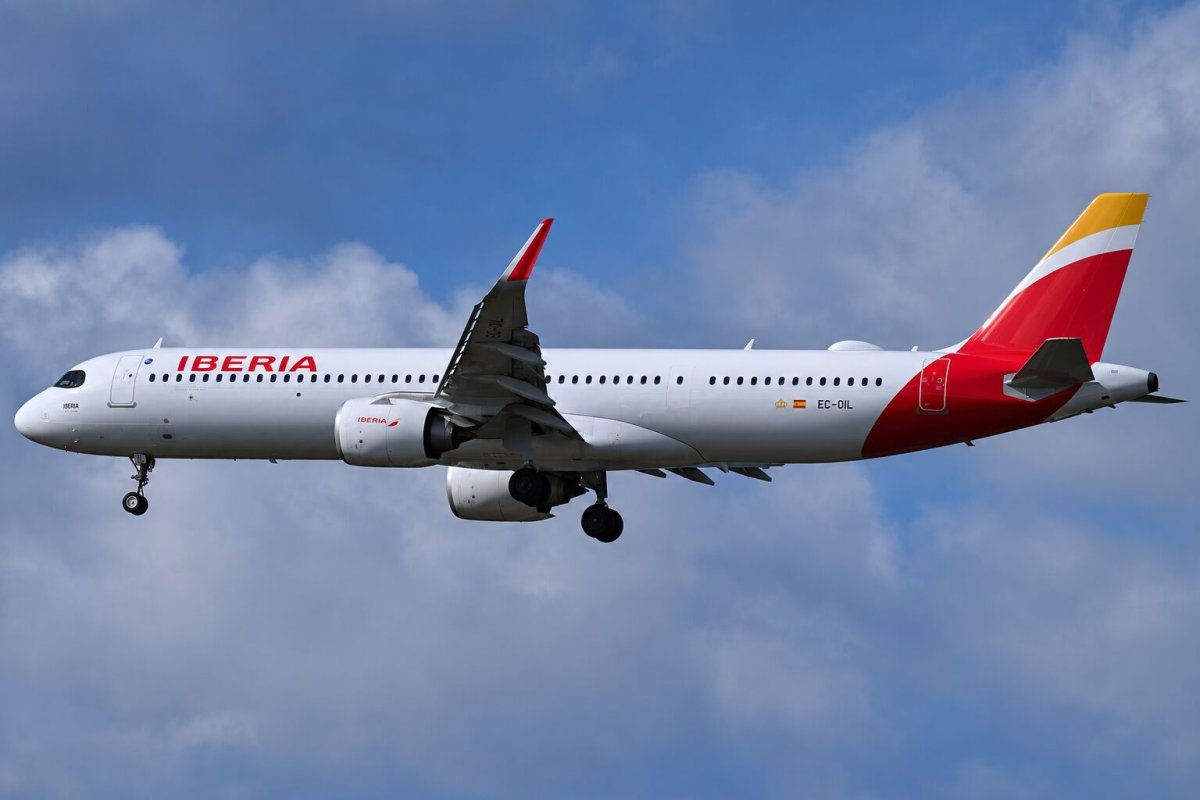
Spanish flag carrier Iberia has announced the completion of Starlink satellite internet installation across its entire fleet of eight Airbus A321XLR aircraft. The milestone, detailed in a November 12 update, confirms that all long-range narrowbody jets now offer complimentary high-speed connectivity to passengers.
The final aircraft to undergo the retrofit, registered as EC-OIL, completed its installation at Iberia's La Muñoza maintenance facilities in Madrid. This marks a significant step in the airline's broader connectivity program, which began with the first equipped aircraft in June 2026.
Rollout Progress Across Fleet
According to the airline's update, the A321XLR subfleet is now fully equipped, but the wider rollout across widebody aircraft remains in progress. Several A330 and A350 aircraft have already received the system, though the airline has not disclosed specific numbers or a target completion date for these groups.
This distinction is important for passengers: while all A321XLR flights now feature Starlink, not every Iberia aircraft offers the service yet. Travelers on other routes may still experience traditional onboard Wi-Fi or no connectivity at all.
Service Launch and Features
The program traces back to June 24, 2026, when Iberia announced its first Starlink-enabled flight. The initial aircraft, registered EC-MAA, departed Madrid for São Paulo the previous night, marking the beginning of a gradual rollout expected to span two years.
From launch, Iberia promised free internet access in every cabin class, available from boarding to arrival. The service supports multiple devices per passenger and is designed for streaming, gaming, and video calls. The airline advertises speeds up to 500 Mbps, though no independent tests have verified per-passenger throughput or latency.
Why Connectivity Matters for the A321XLR
The Airbus A321XLR represents a new class of single-aisle aircraft capable of transatlantic routes. Iberia's first delivery in October 2024 featured a 182-seat configuration with a design range of up to 4,700 nautical miles. This extended reach makes reliable satellite connectivity essential, as these aircraft fly journeys traditionally reserved for widebody jets.
Industry analysts note that free, high-speed internet is becoming a competitive differentiator among airlines, particularly on long-haul routes where passengers expect seamless connectivity. Iberia's move aligns with broader trends in the aviation sector, where carriers are investing in satellite technology to enhance passenger experience.
Remaining Questions
The key unresolved issue is the pace of widebody conversions. The November statement does not specify how many A330 or A350 aircraft are equipped, nor does it provide a completion timeline. Iberia has not commented on whether the remaining aircraft will be retrofitted by a certain date.
For now, the A321XLR fleet stands as a connected milestone, but the airline's full network connectivity remains a work in progress. Passengers on widebody routes may need to wait longer for the same service.