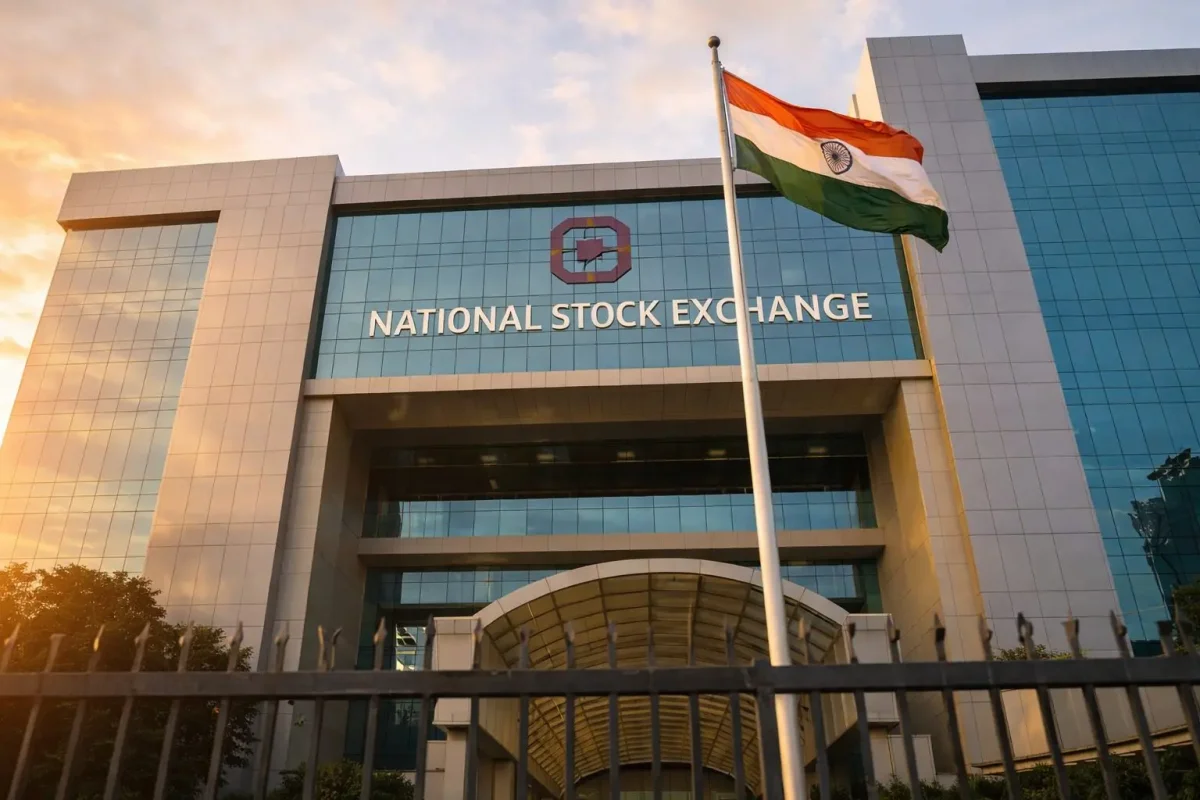
Indian financial markets endured a severe downturn during the week ending March 6, 2026, with benchmark indices posting their most significant weekly losses in over a year. The selloff was primarily driven by a sharp spike in global crude oil prices, which reignited concerns over inflation and import costs for the oil-dependent economy.
Index Performance and Key Drivers
The Nifty 50 index closed the week at 24,450.45, reflecting a decline of 2.9%. The Sensex mirrored this drop, also falling 2.9% to settle at 78,918.9. This marked the most substantial weekly slide for both indices since early 2025. The primary catalyst was a surge in oil prices, fueled by escalating geopolitical tensions involving the U.S., Israel, and Iran, which dampened global risk appetite and specifically impacted emerging markets like India.
Market analysts noted that any rapid increase in crude prices directly translates to higher import costs for India, stoking fresh inflationary fears well before corporate earnings reports can reflect the margin pressure. This anticipatory reaction drove the week's negative sentiment.
Currency Turmoil and Central Bank Action
The Indian rupee came under intense pressure, briefly weakening past the 92-per-dollar threshold to a historic low. In response, the Reserve Bank of India (RBI) deployed substantial resources to defend the currency. Bankers estimated the central bank utilized approximately $12 billion in foreign exchange reserves, engaging in both spot and derivatives markets—including non-deliverable forwards (NDFs)—to curb the rupee's decline and restore stability.
Sectoral and Stock-Specific Damage
The downturn was broad-based, affecting nearly all segments of the market. Fifteen out of sixteen major sectoral indices closed the week lower. The selloff was particularly brutal for state-owned banks, which plunged roughly 6.5%, dragging the broader financials sector down by about 4.5%. The small-cap and mid-cap indices fell 2.5% and 2.9%, respectively.
Oil and gas stocks declined 3.9%, while companies with significant international exposure faced pronounced selling. Engineering major Larsen & Toubro, pressured by concerns over its projects in the Middle East, tumbled 7.7% for the week. InterGlobe Aviation, the parent of IndiGo, dropped 8.8% as investors focused on the impact of rising jet fuel costs on airline profitability.
Market Context and Analyst Views
The selloff occurred against a backdrop of weak global equity performance, with U.S. and European markets also finishing the week lower as investors digested higher oil prices and a disappointing U.S. jobs report. Despite the sharp correction, some market participants viewed the drop as a buying opportunity. Samrat Dasgupta of Esquire Capital described the selloff as "a compelling window" to acquire stocks at reasonable valuations.
Analysts offered a measured outlook on the macroeconomic impact. Pankaj Pandey of ICICI Securities stated that while the market is contending with near-term oil-related risks, a broader macroeconomic disruption is not yet evident. The overall market capitalization on the National Stock Exchange stood at 448.07 lakh crore rupees ($4.89 trillion) as of March 6.
Forward Outlook
The path ahead for Indian markets remains closely tied to the trajectory of oil prices. A prolonged period of elevated crude costs could sustain market volatility, pressure corporate margins in fuel-sensitive sectors, and keep the rupee vulnerable. Conversely, a swift retreat in oil prices could lead to an equally rapid reversal of the recent bearish trades.
With markets closed over the weekend, traders' focus on Monday will shift sequentially to crude oil prices, the rupee's stability, and the direction of foreign institutional flows. The week's events delivered a clear signal: geopolitical risk has forcefully re-entered the calculus for pricing Indian assets.