Indra Group (BME:IDR) has been awarded two contracts by the European Space Agency (ESA) totaling €52.3 million to develop next-generation ground stations for the Galileo satellite navigation system. The announcement, made on October 28, outlines a four-year development program that will modernize critical ground infrastructure supporting both current and future satellite generations.
Modernizing Galileo's Ground Segment
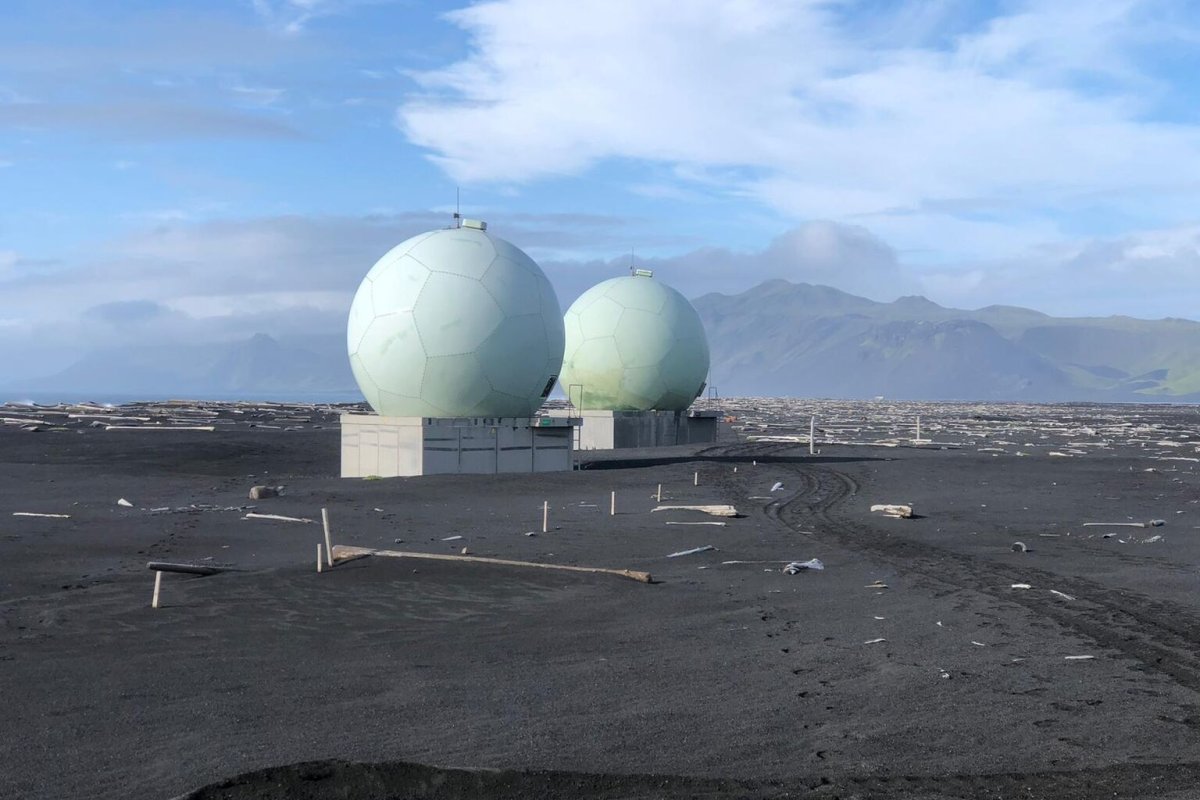
The contracts focus on enhancing the two-way data flow that is essential for the accuracy and reliability of Galileo services. Sensor stations, which measure satellite signals, and uplink stations, which transmit navigation data back to the satellites, are both slated for upgrades. This dual approach ensures that the entire ground segment operates cohesively, improving overall system performance.
Financial Breakdown and Station Deployment
According to reporting from La Vanguardia on October 27, the sensor-station development accounts for €29.6 million of the total, while the uplink station development is valued at €22.7 million. The sensor project will begin with two initial stations, with the potential to expand to as many as 15. The uplink segment aims to establish four stations. These figures highlight the scale of the infrastructure investment, though the contracts cover design and development, so the per-station costs are not directly comparable to finished equipment prices.
Resilience and Security Enhancements
A key focus of the upgrade is improving resilience against interference. New receiving antennas will be designed to resist jamming and spoofing attempts, which are deceptive signals that can mislead navigation systems. This is particularly critical for the infrastructure that receives satellite signals, ensuring that the data used for positioning and timing remains trustworthy.
Technical Innovations
ESA's technical plan for the sensor stations incorporates software-defined radio and modern data-center architectures. Controlled reception pattern antennas are intended to shield reception from interference. For the uplink stations, the development will include electronically steered phased arrays alongside conventional dish antennas. While the agency has not published specific performance gains, these technologies are expected to significantly bolster the system's robustness.
Supporting Two Satellite Generations
The ground program is designed to support both the current Galileo satellites and the upcoming second-generation (G2) fleet. On October 27, ESA increased its order for G2 satellites from 12 to 16 spacecraft. Integration and flight tests are targeted for 2027, with the first G2 launch expected in 2028. The additional four satellites are scheduled for delivery by 2031. This expansion underscores the long-term commitment to the Galileo system's evolution.
Leadership and Team Structure
Indra will lead the sensor-station work from Barcelona, collaborating with GMV, which provides navigation reception and processing expertise, and Thales SIX, which contributes security capabilities. The uplink project will be managed from Madrid with support from specialist subcontractors. The company has also outlined plans to add 50 staff in Barcelona by late 2027, signaling a significant investment in local talent.
Strategic Implications
ESA's navigation program head, Ennio Guarino, emphasized that modernizing key aspects and increasing resilience will support enhanced services, particularly as the system transitions to second-generation satellites. This investment is part of a broader effort to maintain Galileo's status as a world-class navigation system.
While the four-year ground-development period aligns with the first G2 launch target, it does not specify a timeline for completing the global rollout of all stations. The system must continue to support both satellite generations during the transition, adding a layer of complexity to equipment qualification and deployment.
As the project progresses, successful qualification of the new antennas will be crucial. The public announcements have not detailed station-by-station installation dates or quantified interference-rejection improvements, leaving some uncertainty about the full deployment timeline. However, the strategic importance of this upgrade is clear, as it aims to secure the integrity and reliability of Galileo for years to come.