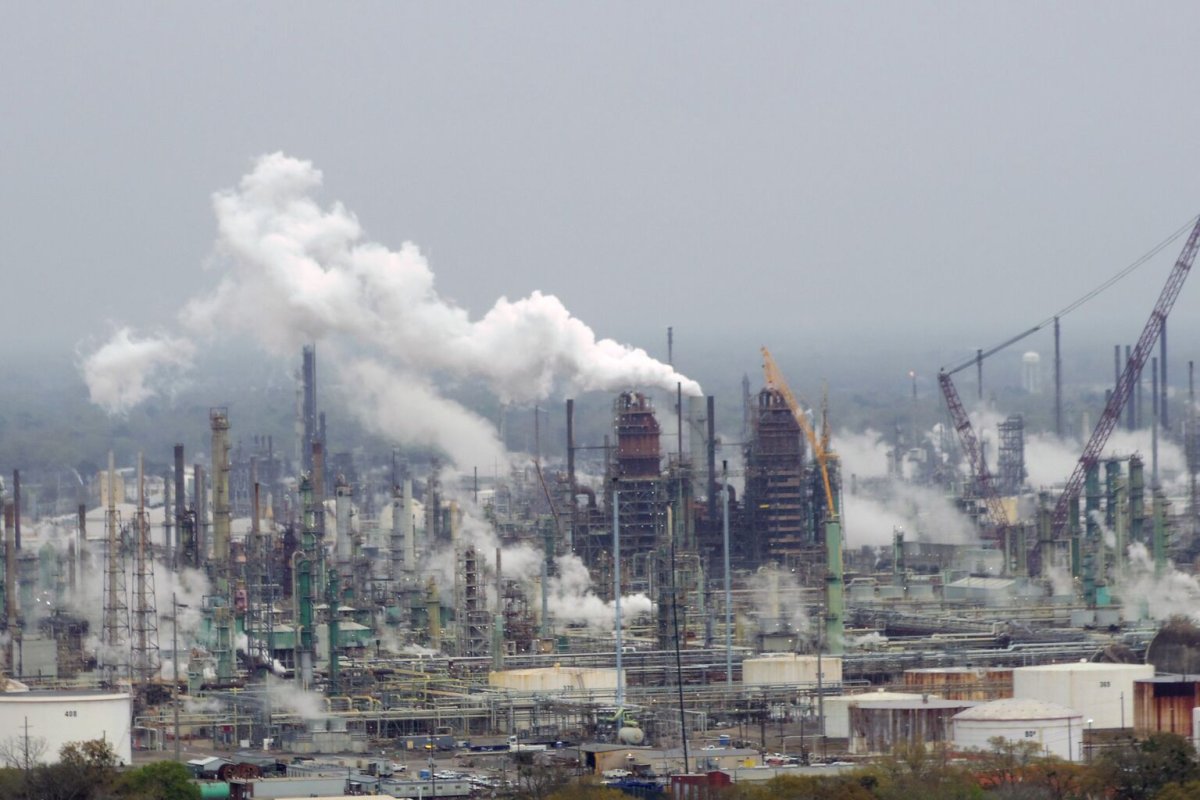
ExxonMobil (NYSE: XOM) reported Friday that its fuel segment generated $81 million more in profit than its oil and gas production business during the third quarter, according to the company's October 30 earnings filing. The comparison, however, hinges on the accounting method used. On an adjusted basis, the Energy Products division outshone upstream operations by a substantial $1.745 billion.
The earnings cover the three months ended September 30. For American motorists, a more tangible benchmark comes from AAA data released on October 31, which shows the national average for regular gasoline at $4.1837 per gallon. Neither figure directly translates to per-gallon profit for the company.
ExxonMobil's reported figures show fuels earnings at $7.169 billion versus upstream at $7.088 billion, a lead of $81 million. Adjusted numbers tell a different story: fuels earned $9.053 billion compared with upstream's $7.308 billion, a gap of $1.745 billion. This marks the first time in at least six years that Exxon's fuel segment has topped upstream earnings, according to Reuters, which attributed the shift to disruptions in refining capacity in the Middle East and Russia that pushed margins higher.
Chevron (NYSE: CVX) also reported a striking performance in its October 30 release. U.S. downstream profit soared to $3.585 billion from $638 million a year earlier, an increase of roughly 462%. Domestic refineries processed 1.093 million barrels per day, up from 1.064 million, a modest 2.7% rise in crude throughput. The company attributed the profit surge primarily to higher refined-product margins.
Chevron's CEO Mike Wirth emphasized the company's strategy in a statement: "We're reinvesting to bring more energy to a supply-constrained market." He noted that U.S. refinery crude units ran at nearly 98% utilization, underscoring the tightness in supply.
Despite the downstream strength, Chevron's worldwide downstream business still lagged upstream, with profits of $4.931 billion versus $5.698 billion, respectively. The differing segment definitions between the two oil majors make direct comparisons of their fuel businesses challenging.
Retail gasoline prices reflect the broader trend. AAA's national average for regular gasoline stood at $4.1837 per gallon on Saturday, October 31. Texas saw an average of $3.6627, while California averaged $5.9109—a gap of $2.2482. A 15-gallon fill-up would cost roughly $88.66 in California versus $54.94 in Texas, a $33.72 difference before station-level variations.
The earnings reports come amid a backdrop of potential volatility. Refinery outages and shipping disruptions could interrupt product deliveries, while capacity additions depend on project execution. Wider margins may also reverse as supply recovers, analysts caution.
ExxonMobil's next declared dividend of $1.07 per share is payable December 10 to shareholders of record November 16, according to the filing.