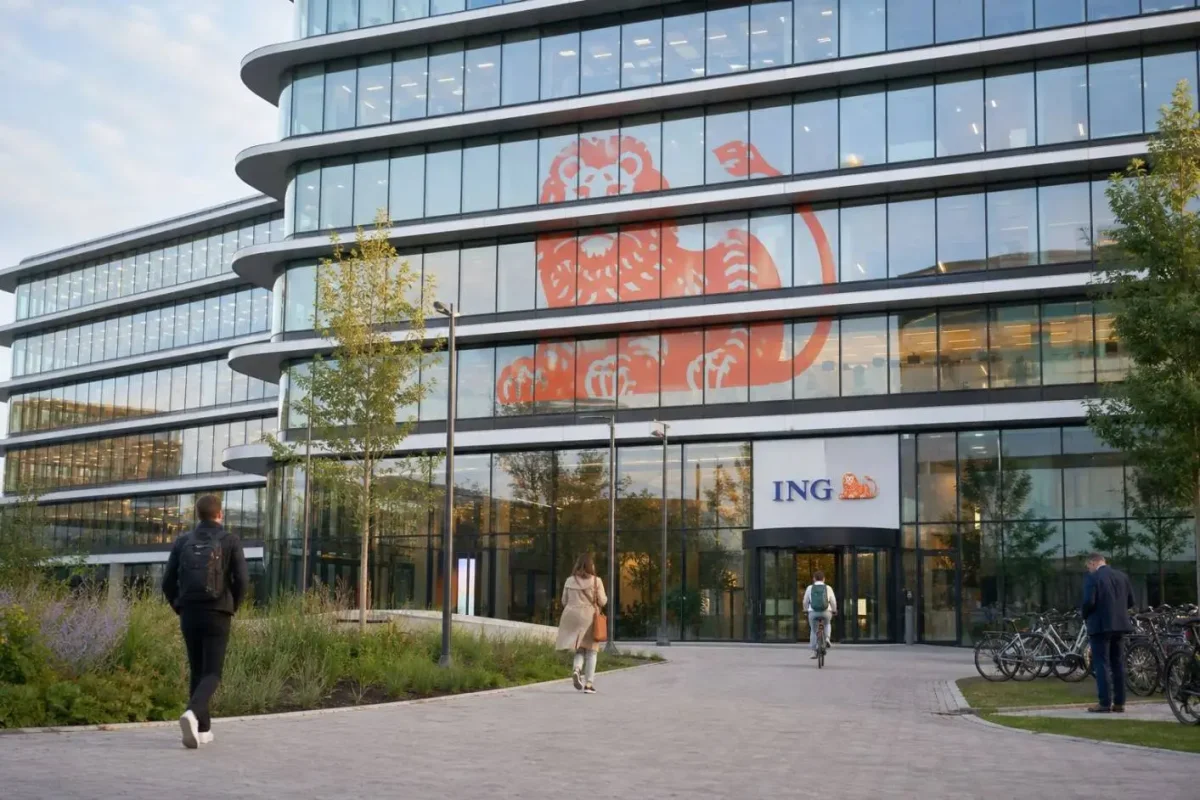
ING Group N.V. (NYSE:ING) American depositary receipts (ADRs) closed at $35.25 on September 1, slipping 0.2% from the prior session. Trading volume reached 1.36 million shares, roughly 8% below the average for the last six sessions. The modest decline came as investors weighed the bank's robust earnings momentum against a rising but still minimal short interest.
Short interest in ING's ADRs jumped 63.1% to 1.943 million shares as of August 14, according to FINRA settlement data. While the percentage increase is noteworthy, the absolute level remains tiny—just 0.07% of the float and only 0.82 of a trading day to cover. This low days-to-cover ratio suggests that any short squeeze would be mechanically limited, as sellers could quickly repurchase shares at typical liquidity levels.
Adding context to the short interest data, ING repurchased 1.075 million ordinary shares last week at an average price of €30.17, totaling €32.44 million. Since each ADR represents one ordinary share, this weekly buyback corresponds to approximately 55% of the disclosed short position. If the bank continues buying back shares at this pace, two weeks of repurchases would exceed the entire short interest, underscoring the limited impact of short covering on the stock's valuation.
The buyback program has been active for some time, with ING having cancelled 23.57 million shares worth €649.84 million so far. This represents 64.98% of the total maximum planned under the program. Capital return through buybacks reduces the share count, and with such a low short float, the risk of forced buying is minimal, making earnings and fundamentals the primary drivers of future stock movement.
Underlying fundamentals remain strong. ING reported second-quarter pretax profit of €2.919 billion, up 23% year over year. Fee income rose 14% to €1.278 billion, while return on tangible equity reached 17.0%, up from a 14.5% four-quarter average. The CET1 capital ratio stood at 13.1%, including €1.0 billion of risk-weighted asset relief. Net core lending grew €15.2 billion in the quarter, and net core deposit inflows were €15.9 billion.
CEO Steven van Rijswijk described the quarter as "excellent," highlighting strong performance across all business segments. However, investors remain cautious about potential headwinds. Reduced interest rates in Europe could pressure net interest margins, and any deterioration in credit quality or a faster-than-expected rise in operating costs could impact returns. The bank's exposure to European economic conditions makes it sensitive to monetary policy shifts.
The short interest increase has undone roughly 45% of the decline seen from May 15, when short interest was 3.179 million shares, to the July 15 low of 937,491 shares. The latest reading of 1.943 million shares is still well below the May peak, indicating that positioning is notable but not extreme. The upcoming FINRA report, due September 10, will show short interest as of August 31, providing clarity on whether the 63% increase held during a period when the ADR traded sideways.
Analysts suggest that the headline percentage increase in short interest exaggerates the squeeze risk. With days-to-cover below one, short sellers can exit positions quickly, and the buyback program further reduces the available float. For investors, the more significant signal is the bank's capital return and earnings trajectory rather than the positioning of short sellers.
Looking ahead, ING's stock movement is likely to be influenced by interest rate trends, credit quality, and income performance. While the recent short interest rise adds a layer of volatility risk, the low absolute levels and strong fundamentals provide a cushion. The market will watch for any signs of a more pronounced short buildup, which could increase downside pressure, but current indicators point to a balanced risk profile.