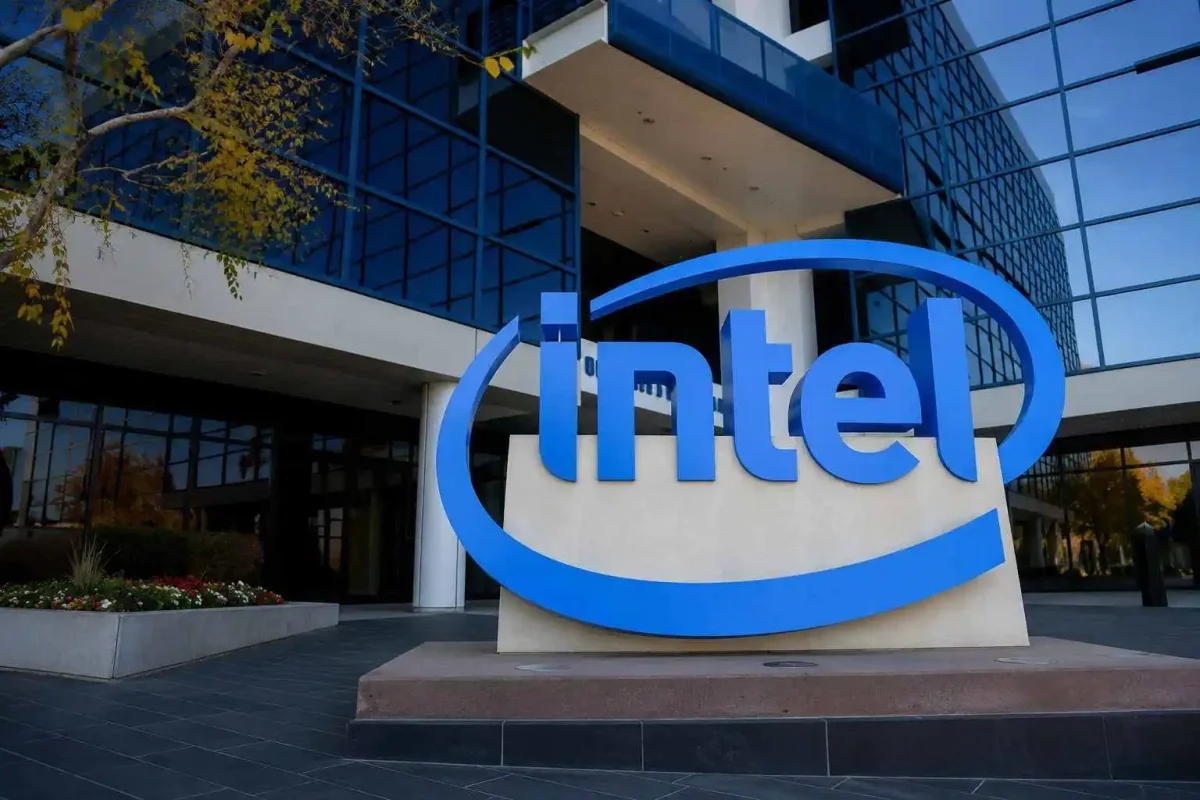
Intel Corporation (INTC) experienced a sharp reversal in early Tuesday trading, with shares dropping approximately 8% in premarket activity. This decline followed Monday's close at $140.94, a 5.19% gain that briefly pushed the company's market capitalization past the $700 billion threshold for the first time. Premarket quotes ranged from $129.10 to $129.51, reflecting investor caution after a sustained rally.
Market Context and Broader Declines
The pullback was not isolated to Intel. Nasdaq 100 futures slid 2.25% early Tuesday, with S&P 500 futures down 1.34% and Dow futures losing 0.71%. According to Reuters, market participants are weighing renewed bets on Federal Reserve rate hikes and concerns about the debt levels financing corporate AI spending. The broader tech sector appears to be reassessing valuations amid these macroeconomic headwinds.
Intel's Recent Surge and Analyst Skepticism
Intel's stock had been on a remarkable run, fueled by optimism around its foundry strategy and political backing. The Wall Street Journal reported last week that shares climbed after President Donald Trump announced Apple would collaborate with Intel to design and manufacture chips in the U.S., framing it as Washington's endorsement of Intel's turnaround plan. Tigress Financial Partners' Ivan Feinseth told MarketWatch that Intel is “gaining real traction with tier-one customers.” CEO Lip-Bu Tan, speaking on a T. Rowe Price podcast, described the White House as “a good cheerleader and supportive.”
However, analysts remain divided on the revenue upside. Mizuho raised its price target to $135 from $128 but maintained a Neutral rating, noting possible upside in advanced packaging. The new target is below Monday's close, suggesting the stock may have run ahead of fundamentals. Deepwater Asset Management's Gene Munster told CNBC that the rally tied to Apple was excessive, while Wedbush's Matt Bryson highlighted that AMD remains stronger in server chips and TSMC leads in contract manufacturing.
Key Business Developments and Risks
Intel's foundry ambitions have garnered attention from major tech players. Reuters reported this month that Alphabet's Google ordered over 3 million tensor processing units from Intel for 2028, citing The Information. Additionally, Nvidia is evaluating Intel's technology for a potential chip with four graphics processors, though no order has been placed yet. Supply-chain diversification is a key driver, as eMarketer analyst Jacob Bourne noted that big AI players seek alternatives to Taiwan Semiconductor Manufacturing Co.
Intel recently appointed Seok-Hee Lee as executive vice president of Intel Foundry, tasked with leading advanced packaging, system integration, and back-end manufacturing. Advanced packaging, which combines chips and memory to enhance speed and power efficiency, is a critical area for the company's turnaround.
Investors face several risks: if Apple's work begins with low-volume chips, if Google or Nvidia plans stall, or if Intel's new manufacturing processes fail to meet yield targets, the market may have gotten ahead of itself. Tuesday's regular session will be a key test, revealing whether buyers view the early drop as a buying opportunity or a warning of further declines.
Intel is currently caught between three overlapping themes: U.S. industrial policy, the push to broaden the AI supply chain, and a sharper debate over whether its valuation still makes sense. The stock's recent gains have outpaced confirmed business, and the premarket drop underscores the fragility of investor sentiment.