The U.S. Federal Communications Commission (FCC) has granted Intel Corporation (NASDAQ: INTC) a one-year maintenance waiver for specific factory robots, a decision that underscores the complexities of modern semiconductor manufacturing. The waiver, issued on October 22, allows Intel to continue servicing automated guided vehicles (AGVs) used to transport materials within its U.S. fabrication plants. However, the chipmaker has indicated that replacing these specialized machines could take several years, creating a significant timing discrepancy between the temporary regulatory relief and the company's long-term needs.
The FCC's order, released on October 24, addresses only the physical maintenance of the AGVs, not software or firmware updates, which were already covered by a separate waiver granted in July. That earlier waiver permits qualifying software and firmware updates through at least January 1, 2029. The new one-year hardware waiver, effective from October 22, 2026, will expire on October 22, 2027, leaving a 437-day gap between the expiration of the hardware waiver and the end of the software relief period.
Intel filed its petition on October 16, and the FCC acted swiftly, issuing the order just six days later. The waiver is specifically for "specified factory robots" and covers only the vehicles identified in Intel's filing and a confidential appendix. The public order does not disclose the number of vehicles affected, the manufacturers, or a detailed replacement schedule, making it difficult to assess the full scope of the impact.
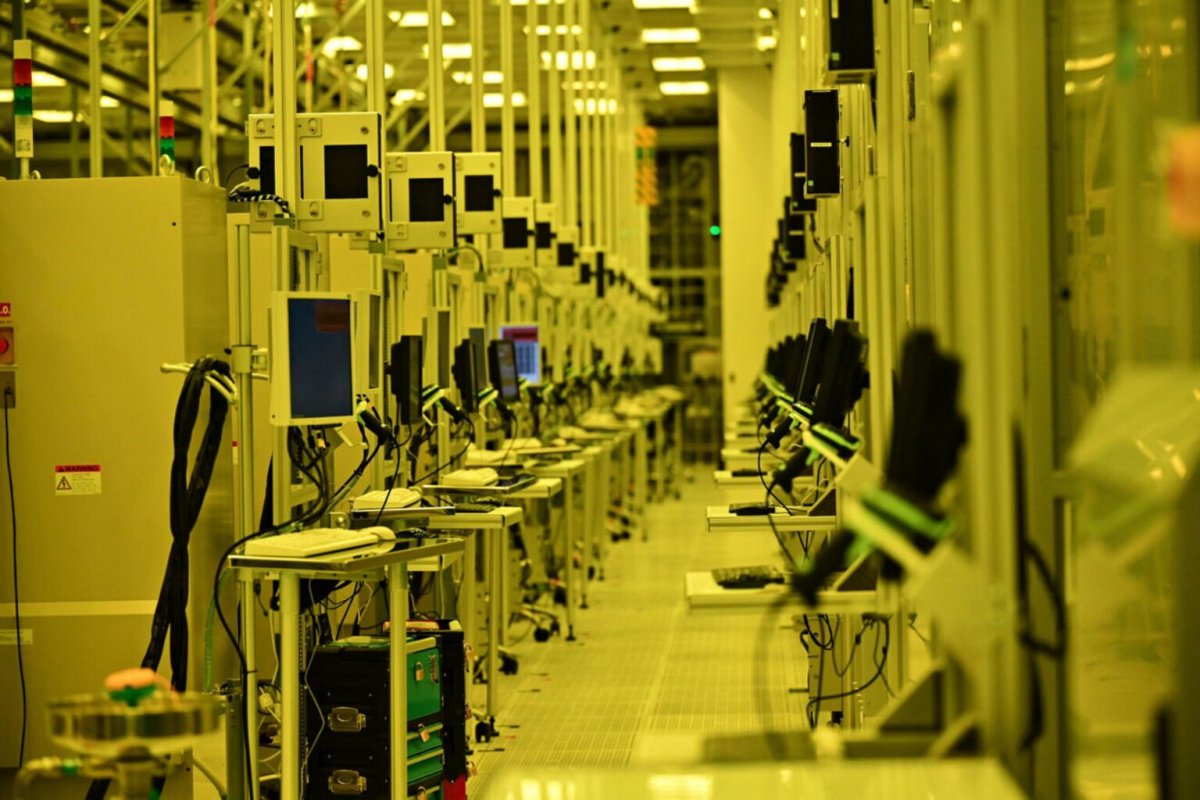
The decision comes amid broader concerns about the resilience of U.S. semiconductor supply chains. Intel's manufacturing operations rely heavily on these AGVs, which have been in service for over two decades according to Reuters. The company's D1 factory in Oregon, for example, operates 1,700 autonomous vehicles that traverse more than 27 miles of overhead routes, connecting nine buildings and transporting pods of up to 25 wafers each. These figures, from Intel's August 2024 manufacturing overview, illustrate the scale of the logistics involved, though they do not directly correspond to the AGVs covered by the waiver.
Intel has argued that finding and integrating replacement equipment is a multi-year process, involving commissioning, evaluation, purchasing, and integration. The company also noted that there are no proven domestic substitutes that meet its operating requirements. Without the waiver, Intel said, maintenance restrictions could disrupt manufacturing services for its customers, potentially affecting the broader chip supply chain.
The FCC's decision includes several operating limits. Intel must keep the modified vehicles within its facilities and under its control, cannot market them, and must not replace U.S.-produced components with foreign ones. Additionally, the modifications cannot improve the vehicles' radio-frequency characteristics or alter their primary functionality. This ensures that the waiver is strictly for maintenance, not for approving new equipment or enhanced capabilities.
Industry analysts see this as a stopgap measure that highlights the challenges of transitioning to domestic manufacturing. "The waiver is a temporary fix for a long-term problem," said one analyst. "Intel's reliance on these robots is deep, and the regulatory environment is still catching up with the realities of advanced manufacturing." The FCC's July Covered List notice, which targeted foreign-produced advanced robotic devices, created uncertainty about the classification of Intel's AGVs, prompting the company to seek the waiver as a precaution.
Looking ahead, the key question is what will happen in October 2027 when the waiver expires. Intel may need to reapply for an extension, seek a permanent exemption, or accelerate its replacement plans. The company has not provided a specific timeline for when replacements might be ready, but the multi-year estimate suggests that the waiver may not be sufficient. For now, the FCC's decision provides a measure of relief, but the clock is ticking.
Investors will be watching closely, as any disruption to Intel's manufacturing operations could have significant implications for its revenue and market position. The company's stock has been under pressure in recent months amid broader semiconductor sector volatility, and this regulatory development adds another layer of uncertainty. As the 2027 deadline approaches, Intel will need to navigate both regulatory hurdles and operational challenges to ensure its U.S. plants remain fully operational.