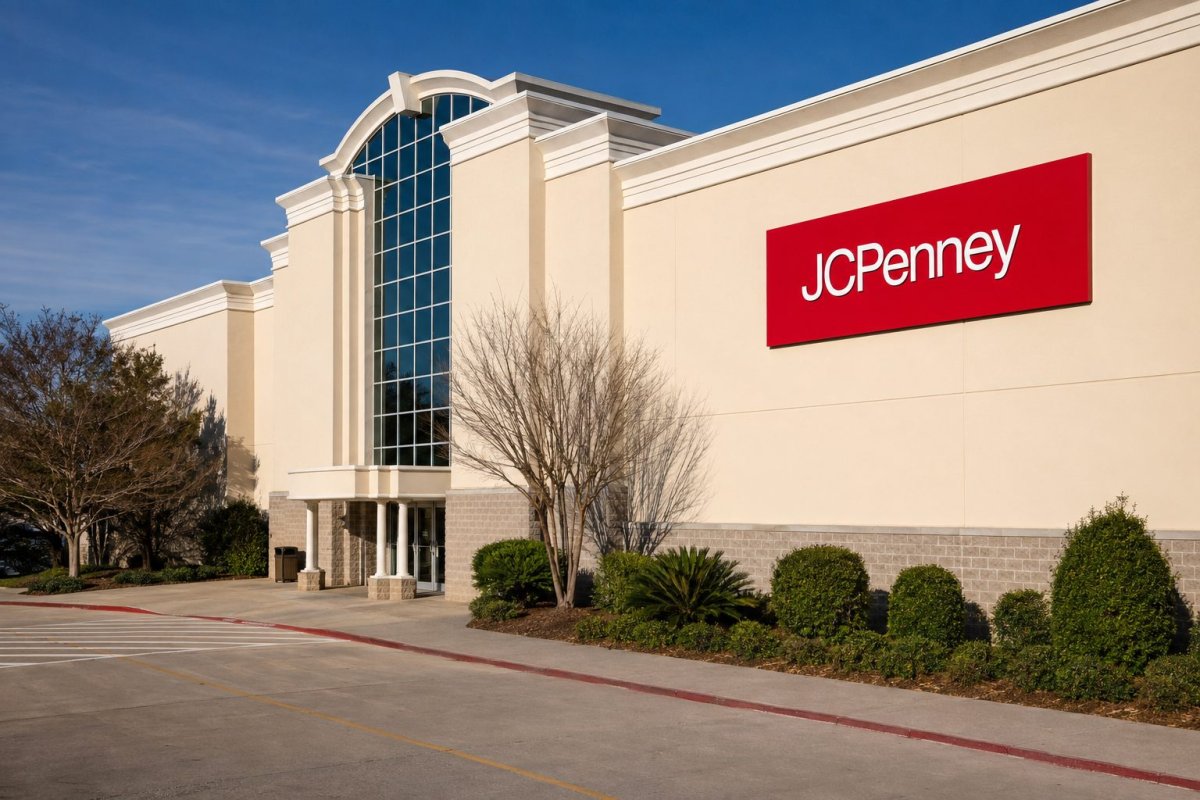
JCPenney is shaking up the off-price retail landscape with a limited-time trade-in promotion designed to lure value-conscious shoppers. From August 28 to August 30, customers can bring any unwanted item to any of its more than 600 stores and receive $15 off a purchase of $50 or more. The company, which is privately held under Catalyst Brands, is calling the initiative “Retail Rejuvenation” and will donate collected goods to Good360, a nonprofit that distributes products to communities in need.
The promotion is strategically timed and structured. The $15 discount represents a 30% saving only at the $50 minimum spend, a figure that drops sharply as basket sizes grow. For example, a $75 purchase yields a 20% discount, while a $100 order gets just 15% off. This tiered approach means JCPenney is effectively buying a customer visit at the entry point without sacrificing margins on larger transactions. “You don’t want less. You want better for less,” said Marisa Thalberg, chief customer and marketing officer at Catalyst Brands, underscoring the campaign’s value-first messaging.
The move comes as off-price competitors continue to post strong results. In the most recent quarter, The TJX Companies (NYSE:TJX) led its peers in margin improvement, while Ross Stores (NASDAQ:ROST) reported the fastest comparable sales growth at 17%. Burlington Stores (NYSE:BURL) also delivered a 6% increase in comparable sales, matching TJX’s pace. JCPenney, as a private entity, does not disclose comparable sales, margins, or other key performance indicators, making direct comparisons difficult.
Market reaction was immediate. On Monday, Ross Stores saw its shares fall 4.1%, the steepest decline among major off-price retailers, closing at $235.28. Burlington dropped 3.1% to $336.85, while TJX slipped 0.8% to $150.85. Macy’s (NYSE:M) also declined 0.8% to $23.22. There is no evidence directly linking JCPenney’s campaign to these moves, but the timing has drawn analyst attention.
Analysts remain cautious about the long-term impact. The promotion is short-lived and may primarily attract bargain hunters, without necessarily converting them into loyal customers. JCPenney does not release data on traffic, redemptions, or repeat visits, so any market share gains would be hard to verify. “The key is conversion, not just coupon redemptions,” said one retail analyst. “JCPenney needs to turn these three-day visits into profitable, repeat business.”
In contrast, the listed off-price leaders have demonstrated that value-driven traffic can translate into robust earnings growth. TJX reported first-quarter revenue of $14.32 billion with a 12.0% pretax margin. Ross generated $6.0 billion in sales with a 13.4% operating margin. Burlington posted $2.85 billion in revenue and adjusted earnings of $2.10 per share. These figures highlight the operational strength of the incumbents.
Investor sentiment favors the established players. According to consensus analyst targets, TJX offers an implied upside of 19.0% with an average target of $179.58, while Ross has a 10.1% upside to $259.08. Burlington’s average target of $370.25 implies a 9.9% return. In contrast, Macy’s trades 3.8% above its consensus target of $22.33, suggesting limited upside.
The broader retail environment remains challenging, with consumer spending softening in some categories. JCPenney’s promotion is a modest attempt to capture a slice of the off-price market, but it is unlikely to dent the momentum of TJX, Ross, or Burlington in the near term. As one analyst noted, “The campaign is economically telling—it shows JCPenney is willing to invest in visits, but the real test is whether it can build lasting loyalty.”
For investors, the focus should remain on the fundamentals of the listed players. Watch for traffic trends, comparable sales, and margin performance in upcoming quarters. JCPenney’s private status means its impact will be difficult to isolate, but any significant shift in consumer behavior could show up in the results of its public competitors.