Joby Aviation (JOBY) experienced a sharp decline on Tuesday, with shares falling 3.14% to close at $9.55. The stock edged slightly higher to $9.5603 in after-hours trading, according to FactSet data. Trading volume surged to 38.08 million shares, well above the 65-day average of 29.24 million, signaling heightened investor activity.
The heavy volume comes amid elevated short interest. As of May 29, approximately 88.95 million shares, or 14.13% of Joby's public float, were sold short. Tuesday's volume represented about 43% of that short position, a level that often amplifies price volatility. Short sellers borrow and sell shares betting on a price decline, and such concentrated activity can lead to sharp moves when volume spikes.
Joby's stock is trading less like a conventional transportation equity and more like a speculative bet on regulatory approval and funding milestones. The shares remain 23% above their 52-week low of $7.75 but are 54% below the 52-week high of $20.95. This wide range creates potential for both a short squeeze on positive FAA news and further downside if cash burn or certification timelines disappoint.
No new company announcements were made in the last 24 to 48 hours. The latest press release on Joby's newsroom dates to May 15, and the most recent financial update was the first-quarter report on May 5. The absence of fresh catalysts left the stock vulnerable to broader market sentiment.
The broader market environment was unfavorable for risk assets. The S&P 500 fell 1.44%, and the Nasdaq dropped 2.21%, driven by a sell-off in semiconductor stocks and concerns over higher interest rates. Thomas Martin, senior portfolio manager at Globalt, noted to Reuters that recent AI-related news has raised questions about spending sustainability. Joby's decline was more pronounced than the broader small-cap index; the Russell 2000 lost 1%, while Joby fell more than three times that amount.
Peers in the eVTOL space also declined. Archer Aviation (ACHR) was down approximately 3.5%, and Vertical Aerospace was off about 3.1%. Joby's dollar turnover, calculated from its closing price and volume, was roughly $364 million, compared to Archer's $202 million, highlighting Joby's role as the primary liquidity vehicle for traders seeking eVTOL exposure.
Joby's financial position remains a key defense. As of March 31, the company held $874.5 million in cash and cash equivalents, along with $1.59 billion in short-term investments, totaling $2.47 billion in liquidity. CEO JoeBen Bevirt stated in May that the company has "the clearest path we've ever had to beginning passenger operations," citing New York demonstration flights, participation in the U.S. air-taxi pilot program, and a strong balance sheet.
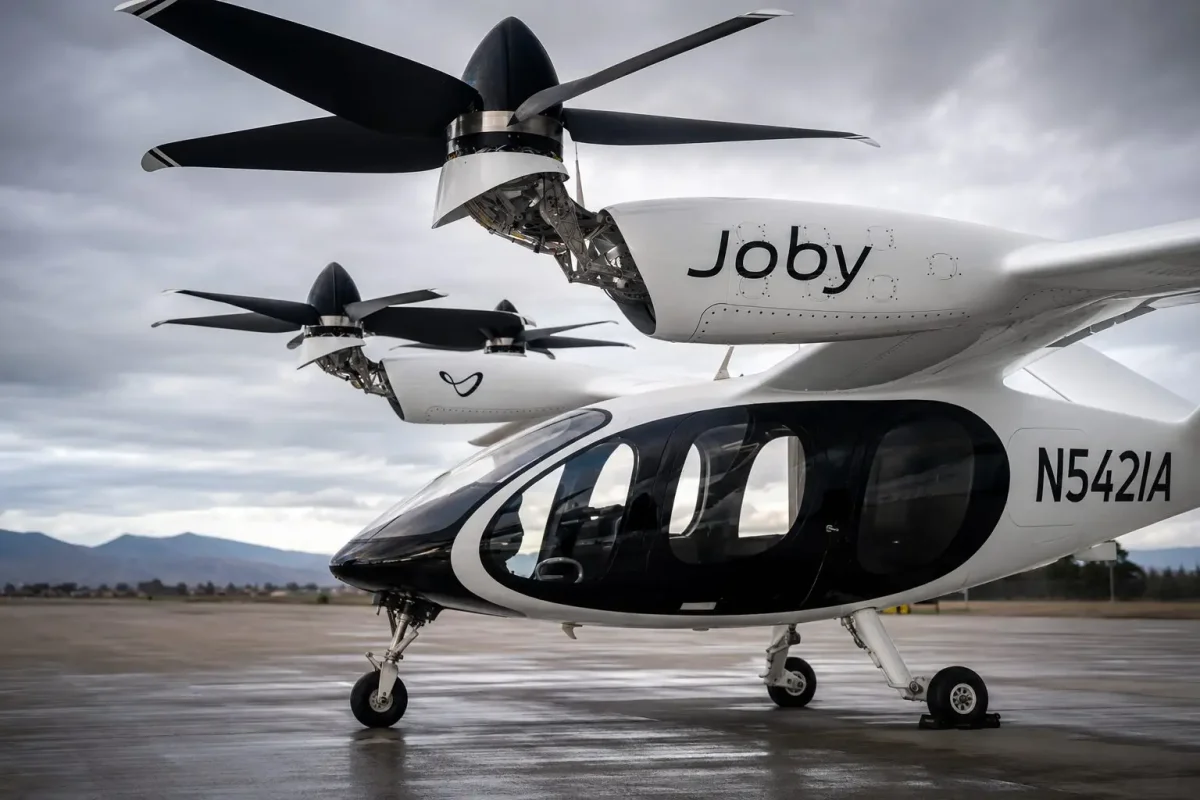
The certification process remains the central narrative. In March, Reuters reported that Joby had begun flying its first production model aircraft for Type Inspection Authorization (TIA), a critical step before formal FAA certification tests. The aircraft is designed for vertical takeoff and landing, airplane-like flight, and can carry a pilot and four passengers.
Analyst opinions are mixed. According to WSJ data, the consensus rating is Hold, with three Buy, five Hold, and three Sell ratings. The median price target is $11.50, above Tuesday's close, but targets range from $6 to $18. Cantor Fitzgerald analyst Andres Sheppard expects spending to increase in the second half as production ramps up, targeting four aircraft per month after expanding manufacturing capacity in Dayton, Ohio.
Risks remain significant: certification timelines could slip, early U.S. operations under the federal eVTOL Integration Pilot Program depend on final agreements, and a faster factory ramp may burn cash before revenue materializes. Joby has cautioned that launch timing, production volumes, partner approvals, regulation, and future capital needs could deviate from current plans.