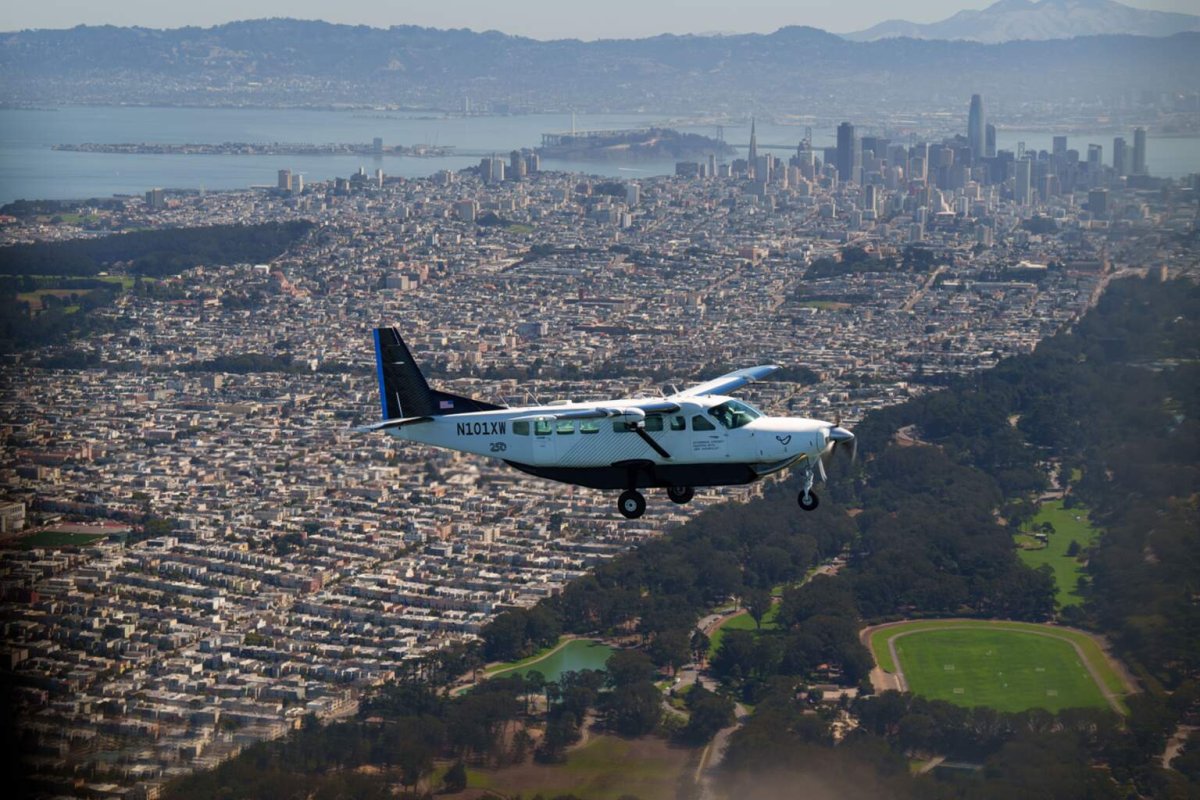
Joby Aviation (NYSE: JOBY) closed Friday at $6.12, down 1.13% on volume of 23.4 million shares, after the company disclosed a 3,199-mile autonomous flight. The milestone, announced on September 18, involved a converted Cessna Caravan J208, not the company's electric vertical take-off and landing (eVTOL) air taxi. The flight tested Joby's autonomy software across diverse U.S. airspace, with a remote operator supervising from up to 2,323 miles away. Despite the achievement, the stock's muted reaction underscores the market's focus on the more critical eVTOL certification path.
Autonomy Demonstrator vs. eVTOL Program
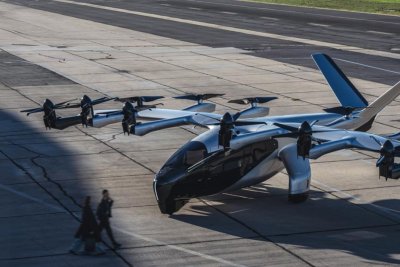
Joby's autonomy demonstrator, a converted Cessna Caravan, has now completed over 400 flights and logged 800 automated hours, including participation in three military exercises. This aircraft is intended for freight, emergency response, and defense logistics. In contrast, the company's eVTOL air taxi, which is central to its passenger service ambitions, has five aircraft flying and twelve more in production. The FAA type-certification program is in its fifth and final stage, with Joby reporting its strongest quarterly progress to date. However, the autonomy milestone does not directly accelerate eVTOL certification, a distinction that investors are weighing.
Market Reaction and Financial Position
Friday's trading volume was restrained, at 0.90 times the prior 21-session average. The stock has been volatile recently, closing at $6.30 on September 14, $6.13 on September 15, $6.08 on September 16, $6.19 on September 17, and $6.12 on September 18. Joby's balance sheet provides substantial runway: cash and short-term investments totaled $2.3 billion as of June 30. The company projects second-half cash use of $385 million to $415 million, with the midpoint representing about 17% of June liquidity. Joby also guided to 2026 revenue of $115 million to $125 million, primarily from Blade operations rather than eVTOL passenger service.
Analyst Divergence
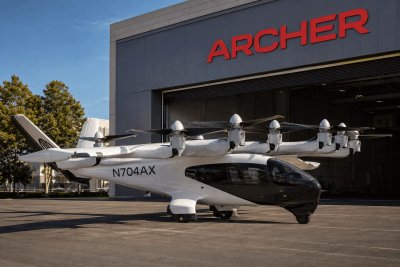
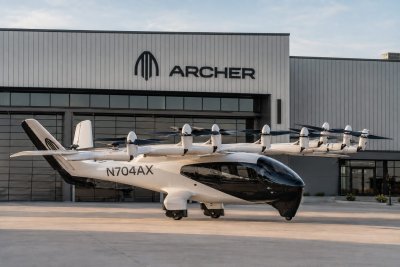
Wall Street remains split on Joby. The consensus rating is 'Reduce' with an average price target of $13.81, more than double Friday's close. However, three analysts rate the shares 'Sell,' reflecting concerns about certification timing and cash generation. In comparison, rival Archer Aviation (NYSE: ACHR) holds a 'Hold' consensus with an average target of $11.50, though both stocks trade well below their targets. The wide spread in Joby's ratings indicates significant uncertainty about when the eVTOL will achieve certification and begin generating meaningful revenue.
Strategic Implications
Proponents argue that the Cessna Caravan provides a demanding, practical test bed for autonomy software, with remote supervision across unfamiliar airports and long distances. This could support near-term freight or government contracts, diversifying revenue streams before passenger service scales. However, the autonomy demonstrator does not directly shorten the eVTOL certification timeline, and sustained cash burn could necessitate additional capital if passenger service slips beyond 2026. Joby still targets its first passengers in 2026, leaving 102 days to meet that timetable. A dated FAA milestone would provide firmer evidence of progress than another long-distance demonstration.
Market Context
The broader market's reception to Joby's news reflects a cautious sentiment toward advanced air mobility stocks, which have faced skepticism over regulatory hurdles and commercialization timelines. Joby's cash position provides a buffer, but the company's valuation hinges on successful eVTOL certification. As the company advances through the FAA's final stage, investors will closely monitor any regulatory milestones or commercial partnerships that could validate the technology and drive shareholder value.