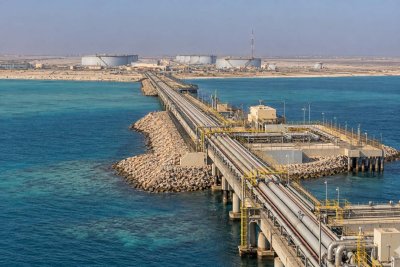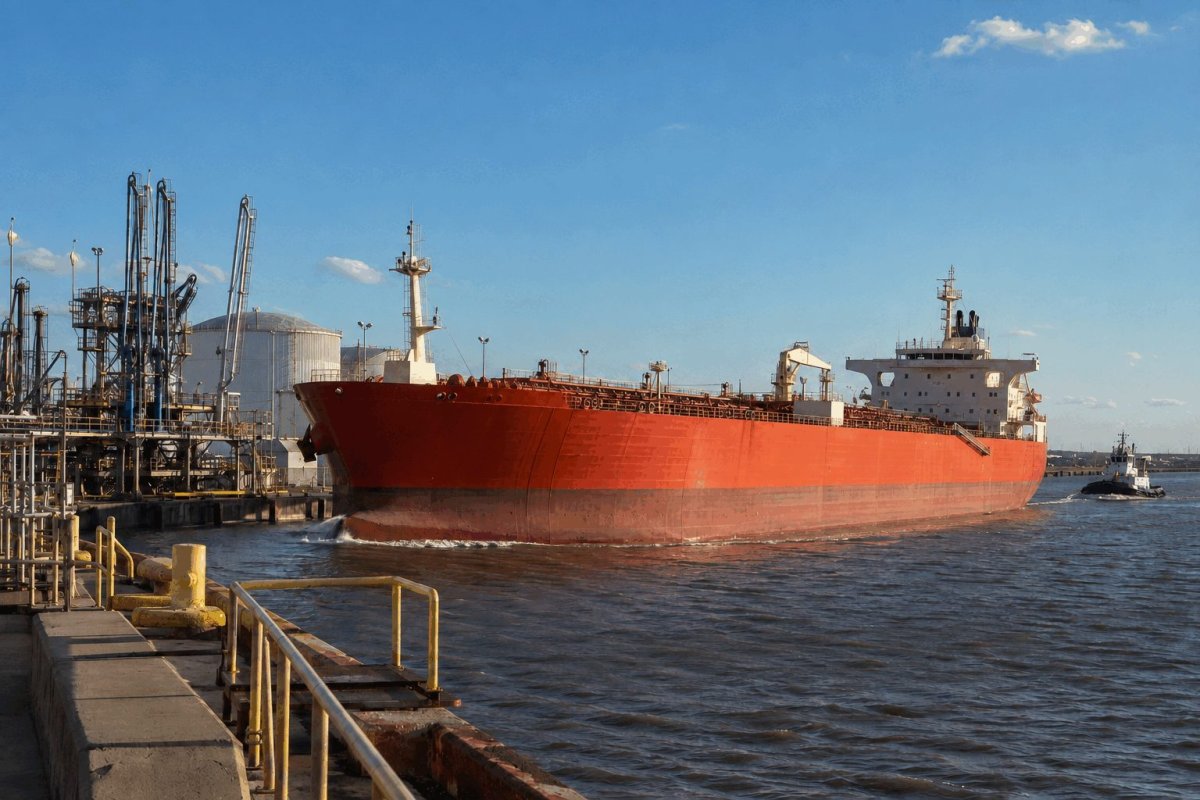
President Donald Trump has extended the Jones Act waiver for an additional 90 days, but the new authorization, effective August 17, will be significantly narrower than the blanket relief it replaces. The decision, announced Monday, allows foreign-flagged vessels to continue transporting select goods between U.S. ports, yet each voyage will now face individual scrutiny by the Pentagon and the Maritime Administration (MARAD).
The shift from blanket exemptions to voyage-by-voyage reviews marks a notable change in how the waiver is administered. According to the White House, the extension aims to maintain the flow of essential products such as gasoline, diesel, and jet fuel while ensuring that U.S.-flagged vessels are utilized whenever available. The Associated Press confirmed that eligible cargo includes energy products, fertilizers, and soybean oil.
Data released by the government shows that 208 exemptions were granted over the approximately 4.5 months through August 3, averaging about 46 per month. This pace suggests that the waiver has been operational, not merely symbolic, with foreign tanker capacity repeatedly tapped. However, the new review process could slow approval times, potentially affecting shipment schedules for refiners, fuel distributors, and ship operators.
White House spokeswoman Taylor Rogers emphasized that "data shows the waiver has driven a significant increase in domestic deliveries of essential products." The administration argues that the extension protects military and industrial access to critical supplies. Yet, the economic impact remains debated. Bob McNally, president of Rapidan Energy Group, estimated that the waiver would reduce gasoline prices by only pennies per gallon, while domestic maritime groups contend that foreign operators benefit more than consumers.
The American Petroleum Institute supports targeted waivers as critical flexibility, but Jennifer Carpenter, president of the American Maritime Partnership, criticized the blanket policy for shifting routine domestic trade to foreign operators. The tension between fuel supply needs and domestic shipping interests is likely to persist, especially if approvals lag.
Oil markets reacted sharply to ongoing uncertainty in the Strait of Hormuz. Brent crude settled at $87.72 per barrel, up 5.0%, while West Texas Intermediate rose 5.1% to $82.13. The spike in oil prices lifted energy stocks, but broader indices were mixed, with the S&P 500 slipping 0.11% and the Dow Jones Industrial Average down 0.25% in late trading. Investors now look to Wednesday's July consumer-price report, with economists expecting 3.4% annual inflation.
The Jones Act, which normally requires U.S.-built, U.S.-owned, and coastwise-endorsed vessels for domestic water transport, has been under strain due to supply chain disruptions. The latest extension will require the Pentagon to consult MARAD before granting any exemption, adding a layer of oversight that could slow the process.
For market participants, the key question is execution. If the review process maintains the previous pace, the waiver will continue to provide meaningful relief. However, a significant slowdown would signal that the administration is prioritizing domestic maritime capacity over fuel-flow speed, potentially exacerbating regional supply tightness and keeping fuel prices elevated.
As the situation evolves, investors will monitor approval rates and the broader geopolitical landscape. The waiver's impact on fuel prices and shipping logistics remains a critical variable, particularly with the Strait of Hormuz still closed. The next few weeks will reveal whether the new process can balance these competing priorities effectively.