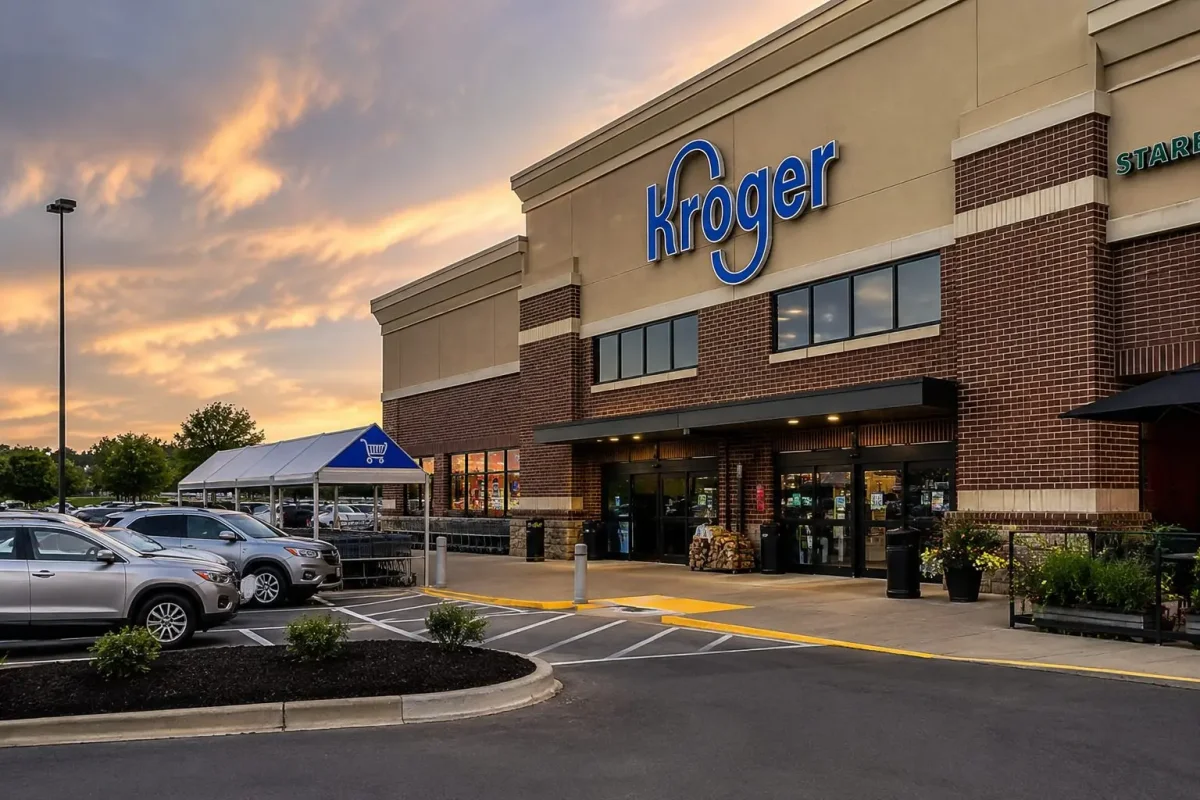
Kroger Co (NYSE: KR) has announced the acquisition of Giant Eagle for $1.65 billion, a deal that values the regional grocer at roughly 0.18 times its annual sales of $9 billion. The acquisition, set to close in 2027, will add approximately 6.1% to Kroger's fiscal 2025 revenue and increase its store count by 7.3% with 197 new supermarkets and 11 standalone pharmacies. The purchase price includes $1.25 billion in cash and about $400 million in assumed liabilities.
Kroger's CEO Greg Foran described Giant Eagle as a "well-run" chain with a clear strategic fit, while Giant Eagle CEO Bill Artman emphasized the potential for "better everyday value" post-deal. The transaction is expected to boost Kroger's adjusted earnings per share in its first full year after closing, excluding one-time charges. However, investors are closely watching the low price-to-sales multiple, which signals both a bargain and the integration challenges ahead.
Deal Details and Financial Impact
The $1.65 billion deal represents about 4.6% of Kroger's current market capitalization of $35.8 billion. Kroger reported $147.6 billion in sales for fiscal 2025, making Giant Eagle's $9 billion in revenue a modest but meaningful addition. The cash portion of the deal, $1.25 billion, is nearly 45% of Kroger's midpoint free cash flow forecast for fiscal 2026, which stands at $2.7 billion to $2.9 billion. Kroger also plans to maintain its dividend and $2 billion share buyback program, which is expected to be completed by the end of fiscal 2026.
Giant Eagle's sales per supermarket average around $45.7 million, below Kroger's $54.7 million, indicating room for operational improvement. Kroger operates 2,697 supermarkets across 35 states and the District of Columbia, while Giant Eagle operates in five states: northern Ohio, western Pennsylvania, West Virginia, Maryland, and Indiana. The acquisition strengthens Kroger's presence in key markets like Pittsburgh and Cleveland, where Giant Eagle holds 23% and 20% market share, respectively, compared to Walmart's 24% and 22%.
Antitrust and Competitive Landscape
The deal faces antitrust scrutiny, but industry analysts suggest it poses less risk than Kroger's failed Albertsons acquisition. RetailStat data shows only about 12 Giant Eagle locations (roughly 6% of its stores) are within five miles of a Kroger, reducing overlap concerns. Both companies expect only minor divestitures to secure regulatory approval, with the deal expected to close in 2027.
Guggenheim's John Heinbockel estimates $50 million to $100 million in cost savings over three to five years, or about 3% to 6% of the deal's value. However, analysts like Diana Sheehan of PDG Insights caution that Giant Eagle "isn't strongly differentiated" from Kroger's existing banners, while Neil Saunders of GlobalData sees a "solid strategic basis" but notes Kroger must "absorb a new division" and improve its own stores.
Market Context and Investor Outlook
Kroger shares last traded at $58.22 before the Independence Day holiday, with a market cap near $35.8 billion. The company's net total debt to adjusted EBITDA ratio stands at 1.75, well below its 2.30 to 2.50 target, providing financial flexibility. Kroger expects the deal to be accretive to adjusted earnings per share in its first full year after closing, excluding one-time charges.
The acquisition comes as Kroger faces strong competition from Walmart in key markets. The low 0.18x sales multiple reflects Giant Eagle's lower margins and the integration costs ahead, but Kroger's management is confident in its ability to drive operational improvements. With a strong balance sheet and a clear strategic rationale, Kroger's move to acquire Giant Eagle could prove to be a savvy bet on regional grocery strength.