Global financial markets experienced a sharp relief rally on Monday, March 23, 2026, following an announcement from the White House that planned military strikes against Iranian energy infrastructure would be postponed for five days. President Donald Trump cited "productive" discussions with Tehran as the rationale for the de-escalation. The immediate market reaction saw equity futures surge and crude oil prices tumble, as traders priced in a reduced risk of an immediate, broader conflict.
Market Moves and the "TACO" Trade
The Dow Jones Industrial Average futures climbed 1.42%, with S&P 500 and Nasdaq 100 futures rising 1.3% and 1.29%, respectively. In Europe, the STOXX 600 index reversed an early loss exceeding 2% to close up 0.7%. The commodity complex saw the most dramatic shift: Brent crude futures plummeted between 13% and 15%, hitting a session low of $96 per barrel, while U.S. West Texas Intermediate crude touched $85.28 before paring losses.
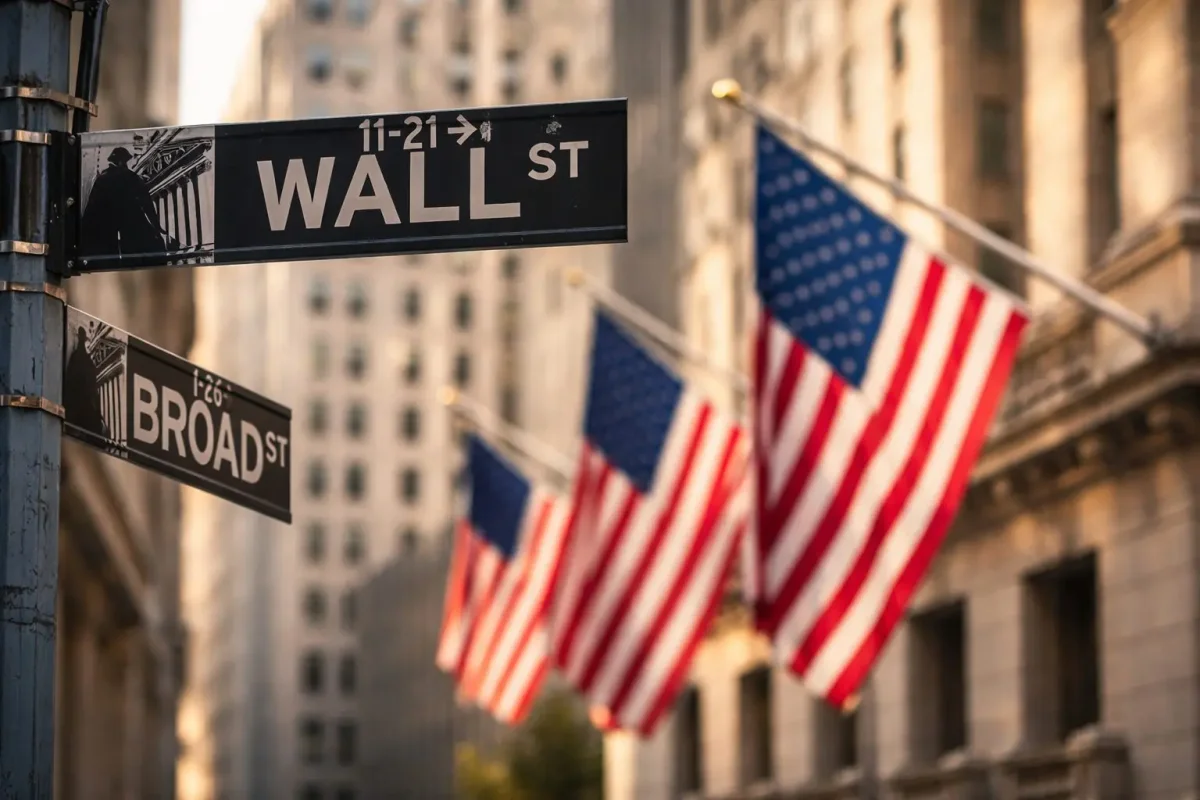
This pattern of buying risk assets on geopolitical de-escalation has been colloquially termed the "TACO" trade on Wall Street—an acronym for betting that Trump will dial back aggressive threats before significant economic fallout occurs. Analysts noted its presence in Monday's price action. "It's exactly what the market needed to hear to start repricing away from the worst-case scenario," remarked Fiona Cincotta of City Index. However, other strategists warned the bounce might be fleeting. Elias Haddad of Brown Brothers Harriman characterized it as a "knee-jerk reaction" whose sustainability hinges on genuine de-escalation.
Persistent Physical Disruptions
Beneath the headline market moves, the physical energy market tells a more concerning story. The vital Strait of Hormuz, a chokepoint for approximately one-fifth of global seaborne oil and liquefied natural gas traffic, remains effectively closed to routine commercial shipping. According to a Reuters analysis, the ongoing conflict has already removed at least 12 million barrels per day from global crude and refined product supplies. The disruption has sent shockwaves through specific markets; in Singapore, jet fuel prices soared to a record $225.62 per barrel on March 19.
The International Energy Agency (IEA) has signaled the severity of the situation, with Executive Director Fatih Birol confirming talks with Asian and European governments regarding potential further emergency crude stockpile releases. This follows a record 400 million-barrel drawdown from global inventories on March 11. Birol cautioned that such measures could only "reduce the pain," emphasizing that reopening the Strait of Hormuz is the necessary ultimate solution.
Sector Reactions and Corporate Adjustments
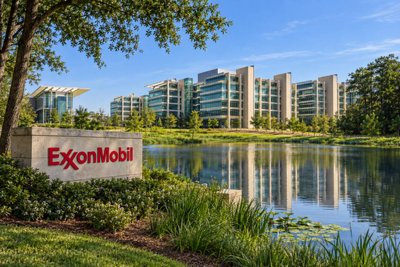
The market response played out swiftly across sectors. Shares of major oil producers like Exxon Mobil (XOM), Chevron (CVX), and Occidental Petroleum (OXY) dipped in early trading as crude prices retreated. Conversely, airlines and financial stocks found relief, rallying as traders scaled back bets on sharp inflation and a near-term recession triggered by an oil price shock.
Refiners, particularly in Asia, are operating under the assumption that the supply disruption will persist. Sinopec (SNP), the world's largest refiner, announced it is avoiding Iranian crude despite holding a temporary U.S. waiver. The Chinese state-run giant is reducing its processing throughput by 5% this month, requesting access to government stockpiles, and increasing cargo shipments from Saudi Arabia's Red Sea port of Yanbu.
Underlying Risks Remain High
Despite the diplomatic pause, underlying geopolitical risks remain elevated. Iranian media outlet Fars News Agency reported no direct or indirect contact with Washington, while Israel claimed military strikes on Tehran continued. Analysts warn that the conflict is far from resolved. "This is just the first tangible sign of a pullback. The war is not yet over," cautioned Michael Brown, a market strategist at Pepperstone.
The human cost of the conflict, which began with a U.S.-Israeli offensive on February 28, is also mounting. Reuters reports indicate over 2,000 lives have been lost. For investors, the fading efficacy of the TACO trade suggests markets are grappling with a new geopolitical paradigm—one where physical supply disruptions may outlast temporary diplomatic reprieves, challenging the old playbook of automatically buying every dip.