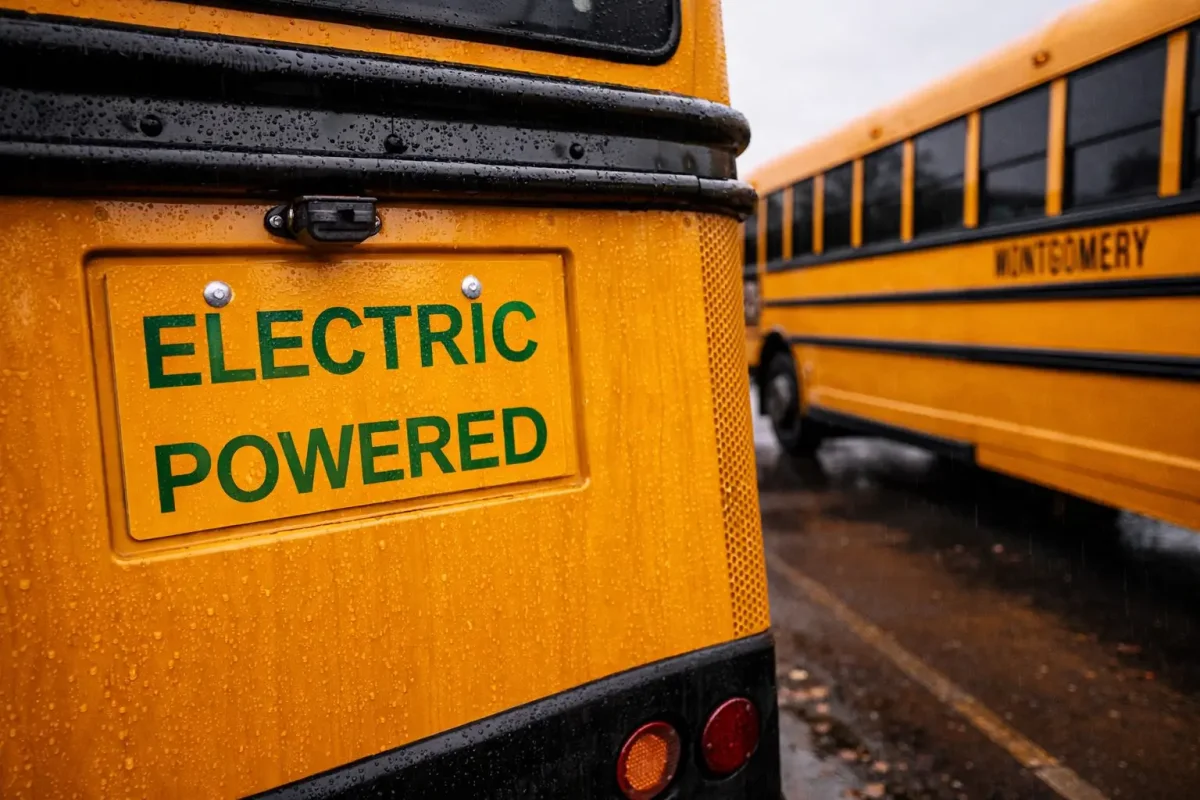
Montgomery County Public Schools (MCPS) in Maryland has initiated a procurement process for 140 diesel-powered school buses, marking a significant step back from its earlier electrification ambitions. The district cited ongoing challenges with charging infrastructure and maintenance reliability affecting portions of its electric bus fleet as the primary reasons for this shift.
The school system currently operates 285 electric buses delivered under a 2021 agreement with Highland Electric Fleets, originally intended to replace its entire fleet. That contract, however, is now mired in legal proceedings following an appeal by MCPS after the Maryland State Board of Education moved to overturn it last fall. The state board labeled the agreement "tainted" due to a fraud conviction involving a company employee.
MCPS spokesperson Liliana López stated that several electric buses have been out of service for extended periods because of charging malfunctions and parts shortages, with performance deteriorating further in cold weather. "Our primary focus is ensuring safe, timely and reliable transportation for our students," López emphasized. The district's fleet of over 1,300 buses travels approximately 112,000 miles daily, transporting more than 103,000 students.
This procurement represents the district's largest diesel bus order in years and includes 45 units equipped for wheelchair accessibility. A school board vote on the proposed contract is scheduled for April. The timing is notable as Maryland's Climate Solutions Now Act will prohibit school districts from signing new contracts for non-zero-emission buses starting in 2025, unless they obtain a waiver. MCPS confirmed it has secured such a waiver for this purchase.
The district's climate plan mandates sharp reductions in greenhouse gas emissions and calls for halting purchases of non-electric buses by 2027. López noted that while the commitment to lowering emissions remains, the district is not adding new electric buses "at this time." The move has drawn criticism from environmental advocates who view it as evidence that MCPS's all-electric bus goals are faltering, particularly after the contract dispute and a series of operational setbacks.
In a related development, Maryland lawmakers are considering emergency legislation that would provide Montgomery County schools with flexibility on snow-day makeup requirements. The proposed bill would allow the district to meet state instructional mandates by achieving a minimum threshold of school hours rather than both hours and days. The current school year extends to June 26 due to weather-related closures, with each added day costing over $2 million in operating expenses.
The diesel bus proposal is not yet finalized. Beyond the pending school board vote, the state waiver could face scrutiny, and the legal dispute over the electric bus contract continues. These factors mean the future composition of the MCPS fleet—whether diesel, electric, or a hybrid approach—remains subject to delays and political negotiations.
This development highlights the practical challenges facing large-scale transitions to electric vehicle fleets, particularly in critical public service sectors like student transportation. It also underscores the tension between ambitious environmental targets and the operational realities of maintaining reliable, cost-effective services.