Mexico's international air travel slowdown intensified in May, with passenger numbers declining across all three publicly traded airport groups. The downturn at key resort destinations such as Cancún and Puerto Vallarta is adding to investor concerns about the sector's near-term outlook.
Airport Groups Report Mixed Results
ASUR, which operates Cancún airport, reported a 1.6% drop in total passenger traffic year-over-year. International traffic through Cancún fell 11.1% to 1.31 million passengers. Overall, ASUR's Mexican international traffic decreased by 10.0%.
GAP saw total terminal passengers across its network decline by 4.1%, with a 2.8% drop at its 12 Mexican airports. International traffic at GAP fell 8.2%, with Puerto Vallarta experiencing the steepest decline among major leisure airports—a 26.5% plunge in international passenger numbers.
OMA posted a 3.6% increase in total traffic across its 13 airports, driven by a 4.7% rise in domestic passengers. However, international traffic slipped 2.8%, highlighting the ongoing weakness in cross-border travel.
Airlines Face Headwinds
Among Mexican carriers, VivaAerobus reported a 1.4% decrease in total passengers to 2.5 million, with international traffic tumbling 20.1%. The airline cut international capacity by 26.3% as measured by available seat miles. CEO Juan Carlos Zuazua cited elevated fuel prices and Pratt & Whitney engine groundings as key factors.
Volaris bucked the trend with a 7.2% gain in May passengers to 2.68 million, including a 15.4% jump in international traffic. Load factor stood at 86.2%. CEO Enrique Beltranena described demand as healthy, particularly on cross-border routes.
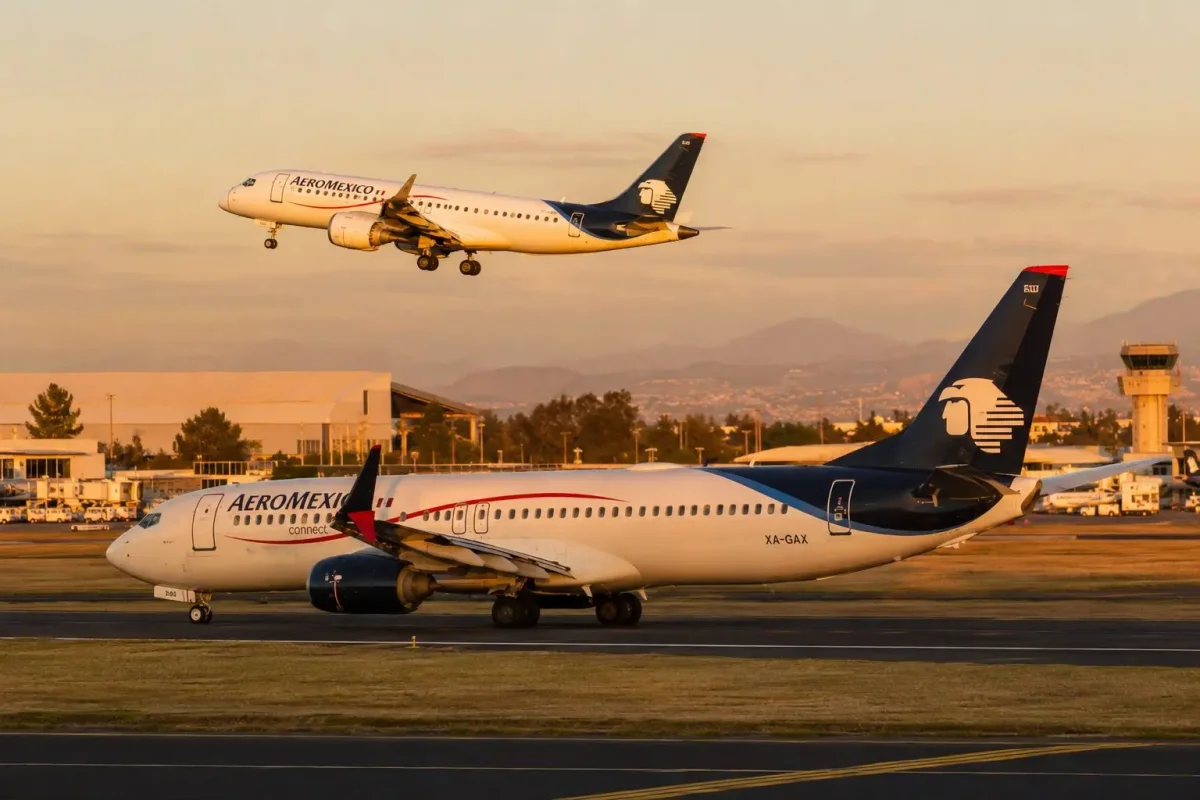
Aeroméxico reported a 2.1% increase in passenger traffic to 2.10 million, with international traffic up 4.6%. Load factor reached 85.8%. CEO Andrés Conesa noted that demand is outpacing capacity growth.
Market Implications
According to El Economista analyst Eduardo Caballero, Mexican airline stocks have underperformed U.S. peers this year due to concerns about traffic mix, rising fuel costs, and engine capacity constraints. Volaris shares have fallen 2.3% year-to-date, while Aeroméxico has dropped 23.2% on the BMV and 19.7% in New York. In contrast, U.S. carriers like Delta and United have posted gains.
The softer international arrivals are particularly impactful because foreign travelers contribute more to airport fees, retail revenue, and airline yields than domestic passengers. While domestic business has helped stabilize overall passenger volumes, the shift in mix is pressuring margins.
Outlook and Risks
The timing of the slowdown is awkward for Mexico, which is entering its busy summer travel season and co-hosting World Cup matches. However, Caballero noted that the tournament is unlikely to alter the recent trend for listed airport groups, as much of Mexico City's traffic flows through airports outside their concessions.
Looking ahead, the key risks include further deterioration in fuel costs, persistent engine issues, and higher airport fees. If foreign traffic continues to weaken at beach airports, airline margins could face additional pressure. While carriers like Volaris and Aeroméxico are still adding passengers, capacity cuts may help maintain fares, but the combination of grounded planes and rising costs leaves limited room for error.