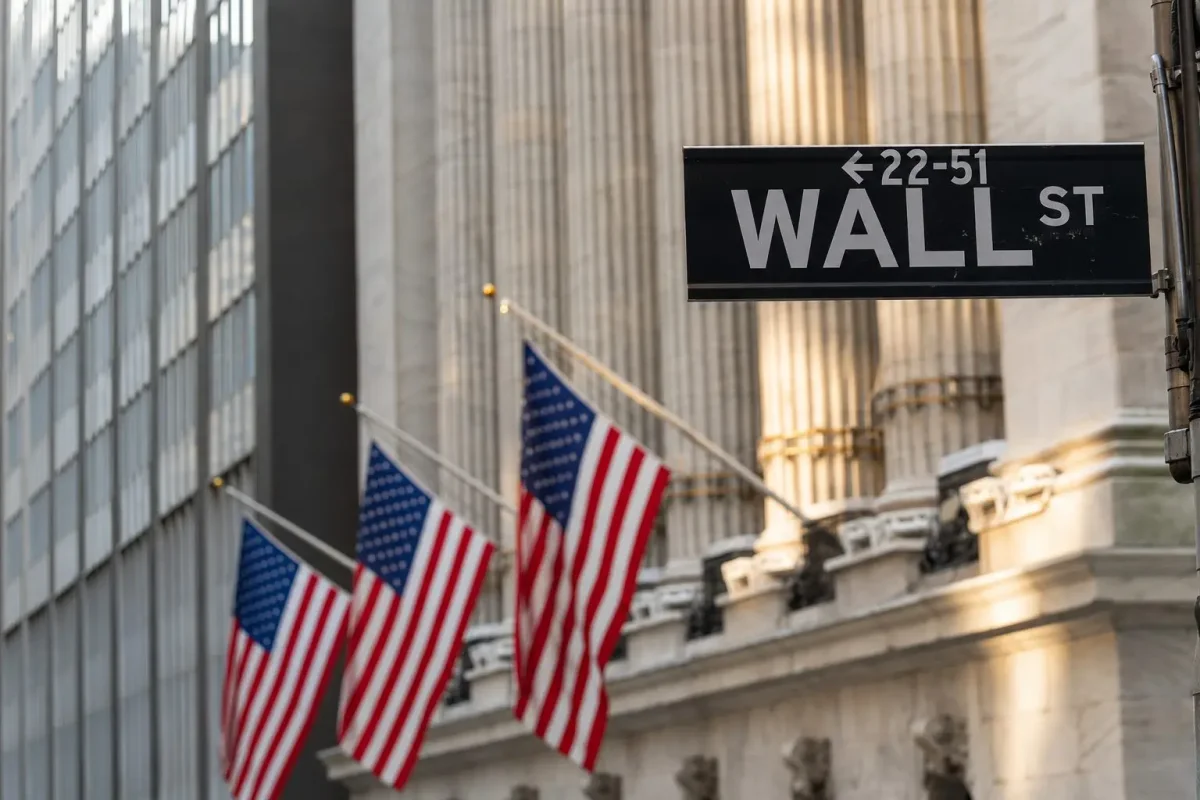
The S&P 500 closed at a record high on Tuesday, buoyed by a surge in semiconductor stocks tied to artificial intelligence demand, while the Nasdaq Composite also posted strong gains. The Dow Jones Industrial Average, however, ended lower, reflecting mixed sentiment across sectors.
The S&P 500 rose 0.62% to close at 7,519.47, setting a new all-time high. The Nasdaq Composite advanced 1.18% to 26,655.89, while the Dow slipped 0.21% as non-tech stocks weighed on the index.
Micron Technology Leads the Charge
Micron Technology (MU) was the standout performer, surging 19.3% to $896.84. The rally pushed the memory chip maker's market capitalization above $1 trillion, a milestone driven by strong demand for its high-bandwidth memory (HBM) chips used in AI processors. UBS raised its price target on Micron to $1,625 from $535, the highest among 46 brokerages tracked by LSEG.
Micron's HBM supply for 2026 is already fully booked, and the company has started production of its next-generation HBM4 chips, according to reports. "The need for pure memory has increased rapidly," said Art Hogan, chief market strategist at B. Riley Wealth. "Micron sits at the center of the AI demand story."
Chip Stocks Rally on AI Optimism
The Philadelphia SE Semiconductor Index set a record, with other chip stocks also gaining. Qualcomm (QCOM) rose after Bloomberg News reported a chip-supply agreement with ByteDance. Marvell Technology (MRVL) also moved higher. The rally in chip stocks underscores the market's focus on AI-driven growth, with comparisons drawn between Micron and Nvidia (NVDA), as well as Asian memory firms Samsung Electronics and SK Hynix.
Oil Prices and Inflation Concerns
Brent crude oil settled at $99.58 a barrel, up 3.58%, while U.S. West Texas Intermediate crude fell 2.81% to $93.89. The divergence reflected investor uncertainty over U.S. strikes in Iran and potential shipping disruptions in the Strait of Hormuz. Inflation remains a key concern, with the personal consumption expenditures (PCE) price index due Thursday. The Conference Board's Consumer Confidence Index slipped to 93.1 in May from 93.8 in April, as price shocks from the Middle East weighed on sentiment.
Market Outlook
Despite the tech-led rally, some strategists caution about the market's heavy reliance on a few surging stocks. "It's reminiscent of the boom at the end of the 1990s," said Chris Zaccarelli, chief investment officer at Northlight Asset Management, flagging the narrow leadership as a potential warning sign. Sam Stovall, CFRA Research's chief investment strategist, noted that cross-asset moves showed markets are "not really sure what should happen."
Investors now await the PCE data on Thursday, which could influence Federal Reserve policy. If Iran talks stall, energy prices could spike, further pressuring consumers and bond yields.