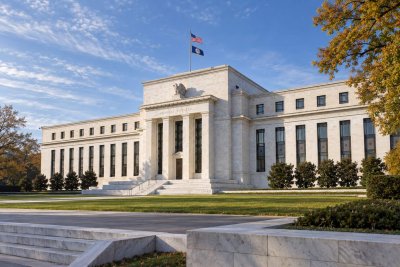
The average rate for a 30-year fixed mortgage in the United States remained stubbornly high on Wednesday, hovering around 6.3%. This persistence comes in the wake of the Federal Reserve's latest policy meeting, where officials opted to leave the benchmark federal funds rate unchanged within a range of 3.50% to 3.75%. The central bank's stance, coupled with its projection for only a single quarter-point rate cut this year, offered little immediate relief to the strained housing market as it enters the critical spring buying season.
Application Volume and Refinancing Take a Hit
Data from the Mortgage Bankers Association (MBA) for the week ending March 13 revealed a significant 10.9% weekly decline in overall mortgage application volume. The refinancing segment bore the brunt of the downturn, with the MBA's Refinance Index plummeting 19% from the prior week. Applications for conventional refinance loans fell even more sharply, dropping 27%. In contrast, purchase applications managed a modest 1% weekly increase, though they remain 12% higher than levels seen at the same time last year.
Joel Kan, MBA's Vice President and Deputy Chief Economist, attributed the higher mortgage rates to rising Treasury yields, elevated oil prices, and persistent inflation concerns. He noted that the 30-year fixed rate reached its highest point since December 2025. The 10-year Treasury yield, a key benchmark for setting mortgage rates, climbed six basis points to 4.26% following the Fed's announcement.
Mixed Signals from the Housing Market
Despite the challenging rate environment, some positive data emerged. The National Association of Realtors reported that pending home sales, a forward-looking indicator, rose 1.8% in February. Analysts suggest that modest rate declines earlier in the year may have enticed a limited number of buyers. However, the broader sentiment remains cautious. Analysts from the National Association of Home Builders and Realtor.com have described many potential buyers as "on the fence," citing headwinds from geopolitical conflict, inflation, and shifting trade policies.
The outlook for a refinancing boom has dimmed considerably. Eric Orenstein, a Senior Director at Fitch Ratings, stated that uncertainty surrounding the future path of interest rates has "chilled" sentiment regarding mortgage volumes. He indicated that hopes for a meaningful refinancing rally now appear more distant than they did just a month ago, even if the 30-year rate were to dip below the 6% threshold.
Housing Stocks and Broader Forecast
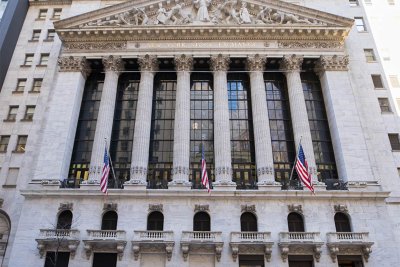
The equity market reflected the somber mood, with major housing-related stocks closing in negative territory after the Fed meeting. Shares of Rocket Companies (RKT) traded at $14.23, D.R. Horton (DHI) at $137.25, and Lennar (LEN) at $94.75, each finishing below their previous closing prices.
The broader forecast for the housing sector remains muted. A recent Reuters poll of analysts projects U.S. home prices to climb a modest 1.8% this year and only 2.5% by 2027. Expectations for mortgage rates are similarly subdued, with forecasts suggesting the 30-year rate will hover near 6% through 2028. James Knightley, Chief International Economist at ING, summarized the sentiment, stating, "The market was basically not doing very much."
Potential for Volatility Ahead
The static outlook could change rapidly depending on economic conditions. Lawrence Yun, Chief Economist at the National Association of Realtors, suggested that a combination of lower oil prices and calmer bond yields could pull mortgage rates closer to 6%. Conversely, he warned that if turmoil in the Middle East sustains high energy prices and inflation proves more stubborn than expected, the average 30-year mortgage rate could push toward 7% later this year. This underscores the market's continued sensitivity to macroeconomic data and geopolitical events.