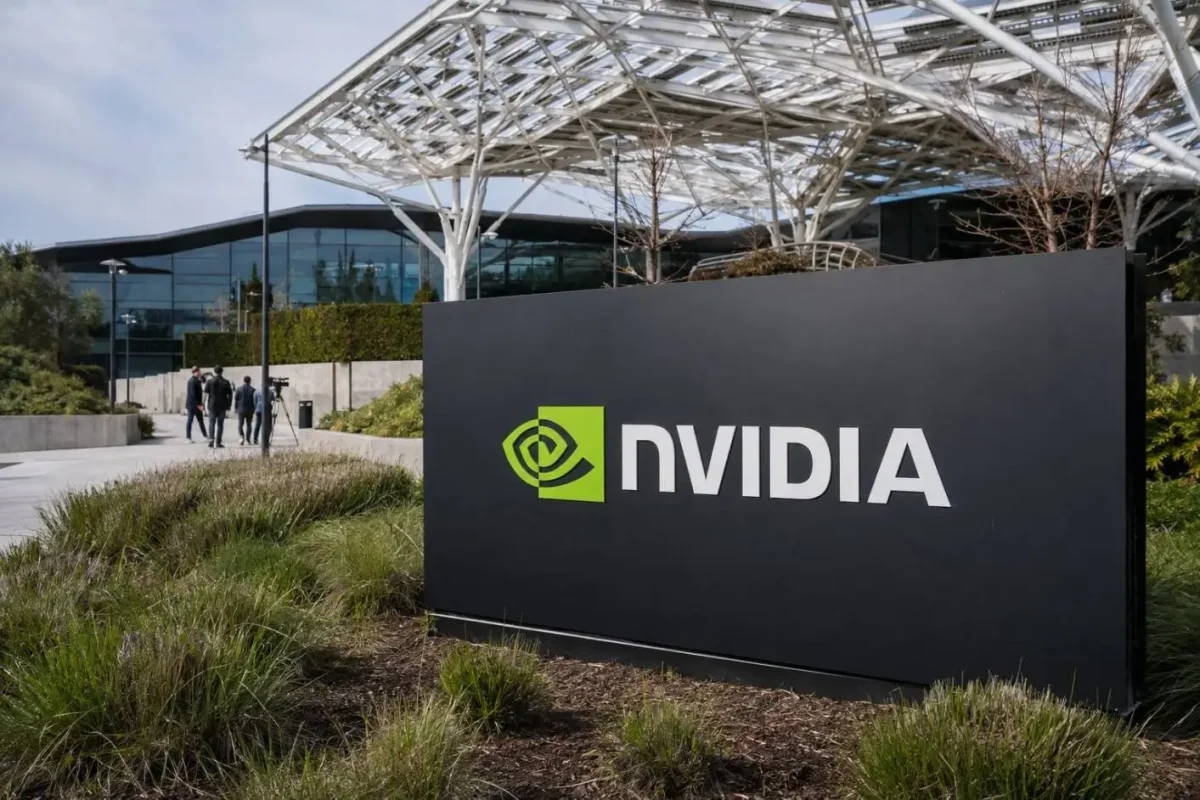
Nvidia Corporation (NASDAQ: NVDA) saw its shares climb 1.4% to $227.48 by 11:52 EDT on Thursday, following the announcement of a definitive agreement to acquire Hugging Face, a leading AI developer platform, for approximately $12.93 billion. The transaction, revealed in a regulatory filing, underscores Nvidia's strategic pivot toward software and developer ecosystems as it navigates an increasingly competitive AI hardware landscape.
The acquisition price represents a significant premium, roughly 86 times Hugging Face's reported annualized revenue of $150 million. While this revenue figure is based on estimates rather than official company filings, the valuation highlights Nvidia's willingness to pay a substantial premium to secure influence over the AI developer community. The deal is structured in two parts: approximately $11.9 billion will go to Hugging Face shareholders, with up to $1 billion reserved for employee retention incentives.
Hugging Face's platform boasts over three million models, one million applications, and more than 200,000 companies, along with a community of 18 million developers, researchers, and creators. This vast ecosystem is central to Nvidia's strategy. By owning the platform, Nvidia gains direct access to developers at the critical moment they choose models and compute resources. This access is particularly valuable as major cloud providers and enterprises increasingly design their own custom silicon, reducing their dependence on Nvidia's GPUs.
Bret Greenstein, chief AI officer at West Monroe, described the investment as "a strong strategic hedge against the different ways AI could evolve," according to the Associated Press. The move signals Nvidia's intent to remain central to AI development, regardless of how the underlying hardware landscape shifts. Nvidia CEO Jensen Huang has committed to maintaining Hugging Face as an open platform, stating that Nvidia hardware would not be mandatory for users. The filing further outlines plans to support additional silicon vendors, indicating a neutral approach to platform governance.
The financial impact on Nvidia is minimal. As of July, the company held $56.586 billion in cash and marketable debt securities, and its second-quarter GAAP net income totaled $59.688 billion. The $12.93 billion price tag represents just 22.9% of Nvidia's cash reserves and 21.7% of its quarterly net income, underscoring the company's ability to absorb the acquisition without affecting its financial standing.
Investors have responded positively, with the stock trading up 1.4% at $227.48. Analyst sentiment remains overwhelmingly bullish, with all 30 analysts covering the stock rating it a Buy. Price targets range from a low of $250 to a high of $515, with an average target of $329.32, implying potential upside of approximately 44.8% from current levels. The lowest target, $250, still suggests a 9.9% gain.
The transaction is expected to close in the first half of 2027, subject to regulatory approvals and standard closing conditions. However, risks remain. Regulators could delay or block the deal, and additional regulations might restrict open models or the use of datasets from abroad. Nvidia must also maintain platform neutrality as it integrates Hugging Face's staff and systems into its operations.
Looking ahead, investors will closely monitor regulatory milestones and whether increased platform activity translates into higher demand for Nvidia's compute offerings. The acquisition positions Nvidia to shape the future of AI development, but execution will be key to realizing the full value of this strategic bet.