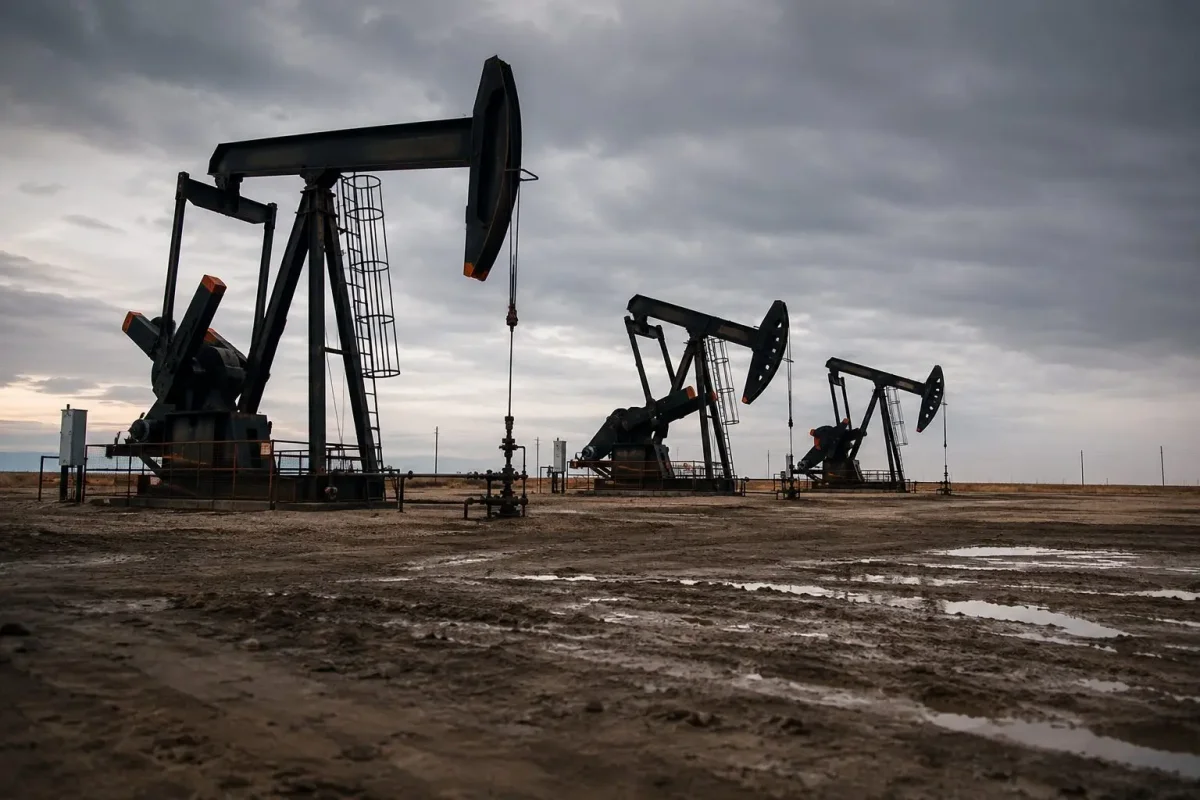
New York, July 13, 2026, 10:08 EDT – The two-year U.S. Treasury yield climbed to a level not seen since February 2025 on Monday, propelled by a sharp rally in oil prices that reignited speculation about another Federal Reserve rate hike. Brent crude jumped 4.5% to $79.43 following new clashes between U.S. and Iranian forces, heightening concerns over shipping disruptions at the strategic Strait of Hormuz.
Despite the move in short-term yields, the overall yield curve remained remarkably flat. By 10 a.m. EDT, both the two-year and ten-year yields had risen by 2.8 basis points from Friday, leaving the spread unchanged at 34.6 basis points. A basis point equals 0.01 percentage point.
This near-parallel shift is significant because the two-year yield is closely tied to expectations for Fed policy, while the ten-year yield reflects longer-term growth, inflation, and term premium. Monday's action suggests markets are lifting the entire yield curve without dramatically altering their core economic outlook.
Investors are not dismissing inflation risks. Federal funds futures currently imply about 38 basis points of additional tightening for the remainder of the year. The Fed's current target range is 3.50% to 3.75%, yet the two-year yield sits roughly 49 basis points above the top end of that range. Mohit Kumar at Jefferies Financial Group (NYSE: JEF) noted that there is still room for “a fudge or a patch” to keep oil moving and cap prices.
A Reuters survey of 74 strategists, concluded on July 9, suggests many expect a shift once the energy shock subsides. Joseph Purtell, portfolio manager at Neuberger Berman, described market expectations for one or two more Fed hikes as “excessive.” Meanwhile, Jason Williams, Citigroup's (NYSE: C) director of U.S. rates research, believes “inflation is priced too sticky.” Williams added that skipping rate hikes could shave up to 30 basis points off the ten-year yield.
The median forecasts from the survey point to a steeper yield curve over the next 12 months, with the spread between long- and short-term yields widening by 13 to 23 basis points. Most of this expected steepening is driven by declines in the two-year yield as policy expectations ease, rather than a drop in long-term rates. Monday's flat spread indicates that this shift has not yet begun.
However, persistently high oil prices could continue to push overall price levels higher. A genuine supply disruption through the Strait of Hormuz could rapidly alter the landscape. Bank of America (NYSE: BAC) is calling for three Fed rate hikes—one each in September, October, and December—which would likely lift shorter-term yields more and tighten the curve rather than widen it.
Traders are now focused on the June consumer price index (CPI) report, due at 8:30 a.m. EDT Tuesday. Headline inflation stood at 4.2% in May, with core inflation at 2.9%. Fed Chair Kevin Warsh is also scheduled to testify before Congress. A cooler-than-expected CPI print could support the strategists' steepening call, while an upside surprise combined with stronger oil prices may fuel further talk of rate hikes.