Precious metals faced a severe selloff on Tuesday, with silver and gold prices plummeting as geopolitical tensions in the Middle East triggered a flight to the U.S. dollar and a recalibration of interest rate expectations. The sharp decline underscores how traditional inflation hedges can stumble when energy-driven price pressures reshape the monetary policy landscape.
Metals and Markets Under Pressure
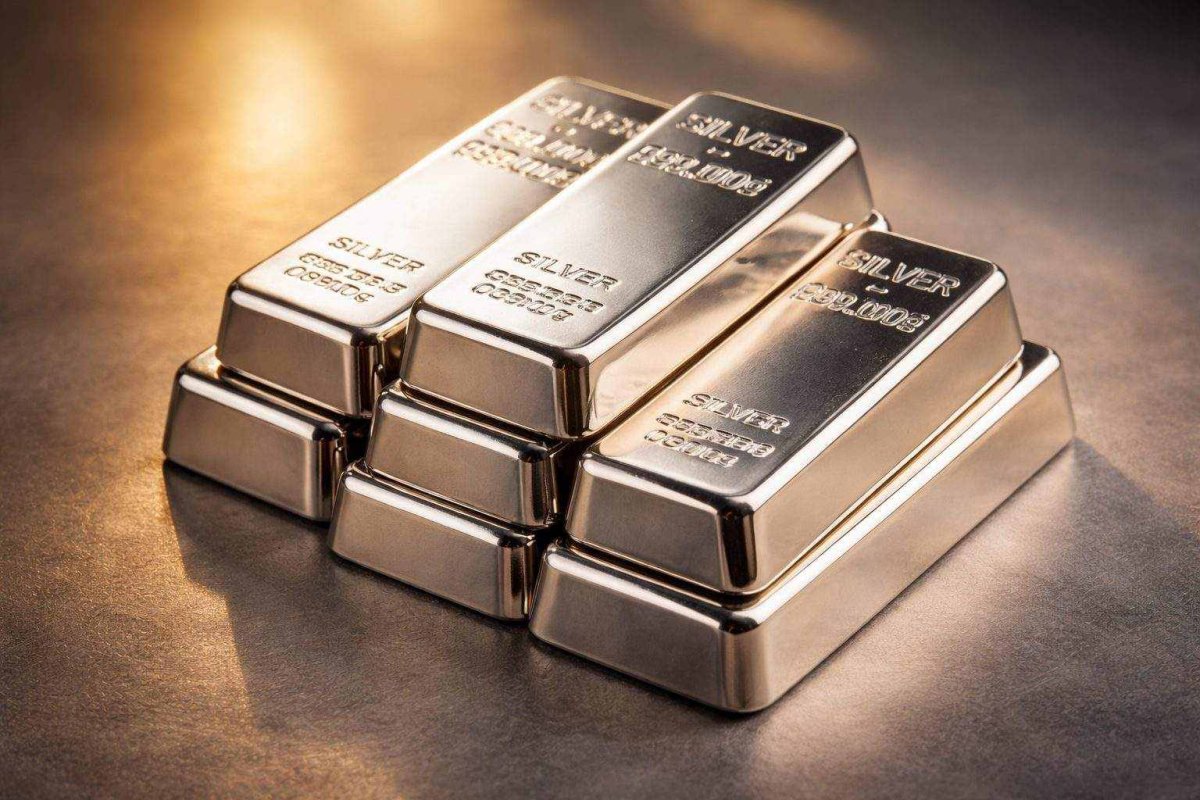
Silver led the decline, dropping 11.2% to $79.42 per ounce, while gold fell 5.6% to $5,029.59. The selloff was not isolated, with platinum and palladium also finishing lower. The move was attributed to a surge in the U.S. dollar and climbing bond yields, as investors sought liquidity and safety. "The move lower in gold appears to be driven by a flight to liquidity," noted Bob Haberkorn, a senior market strategist at RJO Futures.
Oil Shock Reshapes Rate Outlook
The catalyst for the market shift is a renewed energy shock, with U.S. oil prices jumping more than 13% since the previous Friday. Retail gasoline prices followed, rising 10 cents per gallon in just 24 hours. This has pushed inflation fears back to the forefront, forcing traders to dramatically scale back bets on imminent Federal Reserve easing. Market pricing now fully anticipates the first rate cut in September, a significant delay. "Investors are basically going back to the 2022 energy-shock template," observed Rohan Khanna, head of euro rates strategy at Barclays.
The recalibration hit equity markets hard, with Wall Street's major indexes sliding over 2% in early trading. The concern centers on the potential for sustained high oil prices, with some analysts warning of a scenario where prices exceed $100 per barrel and remain elevated, threatening economic growth and complicating policy decisions.
Strait of Hormuz Disruption
The root of the oil price spike is a significant slowdown in traffic through the Strait of Hormuz, a critical chokepoint for global oil shipments. This disruption caused supertanker freight rates in the Middle East to surge to a record $423,736 per day. The situation has created intense competition for available vessels, exacerbating supply concerns.
ETF Impact and Retail Interest
The iShares Silver Trust (SLV), the leading exchange-traded fund for tracking silver, mirrored the metal's decline. The fund was quoted near $72.70, down sharply from a previous close of $81.57. SLV, which carries a 0.50% expense ratio and a market capitalization of approximately $46.3 billion, had recently seen a surge in retail interest in late February, popping over 5% in a week. That rally has now reversed amid the broader market repricing.
Fed Focus on Data, Not Headlines
Amid the market turmoil, Federal Reserve officials have attempted to steer focus toward economic data. New York Fed President John Williams stated that monetary policy is "well positioned" and suggested further rate cuts could be warranted if inflation behaves as expected. Notably, he omitted any mention of the Middle East conflict in his prepared remarks, emphasizing a data-dependent approach.
Market Uncertainty Ahead
The path forward for precious metals remains highly uncertain. If the conflict prolongs and immediate cash pressures ease, safe-haven flows could return to gold and silver, especially if traders begin to doubt the transient nature of the oil-driven inflation. Conversely, a drawn-out energy crunch would likely keep bond yields rising and rate cuts pushed further into the future, making any rally in non-yielding assets like precious metals vulnerable to further selling. Traders now see only about a 35% chance of a rate cut at the June meeting, which could be the first chaired by Kevin Warsh, President Donald Trump's nominee to replace Jerome Powell.