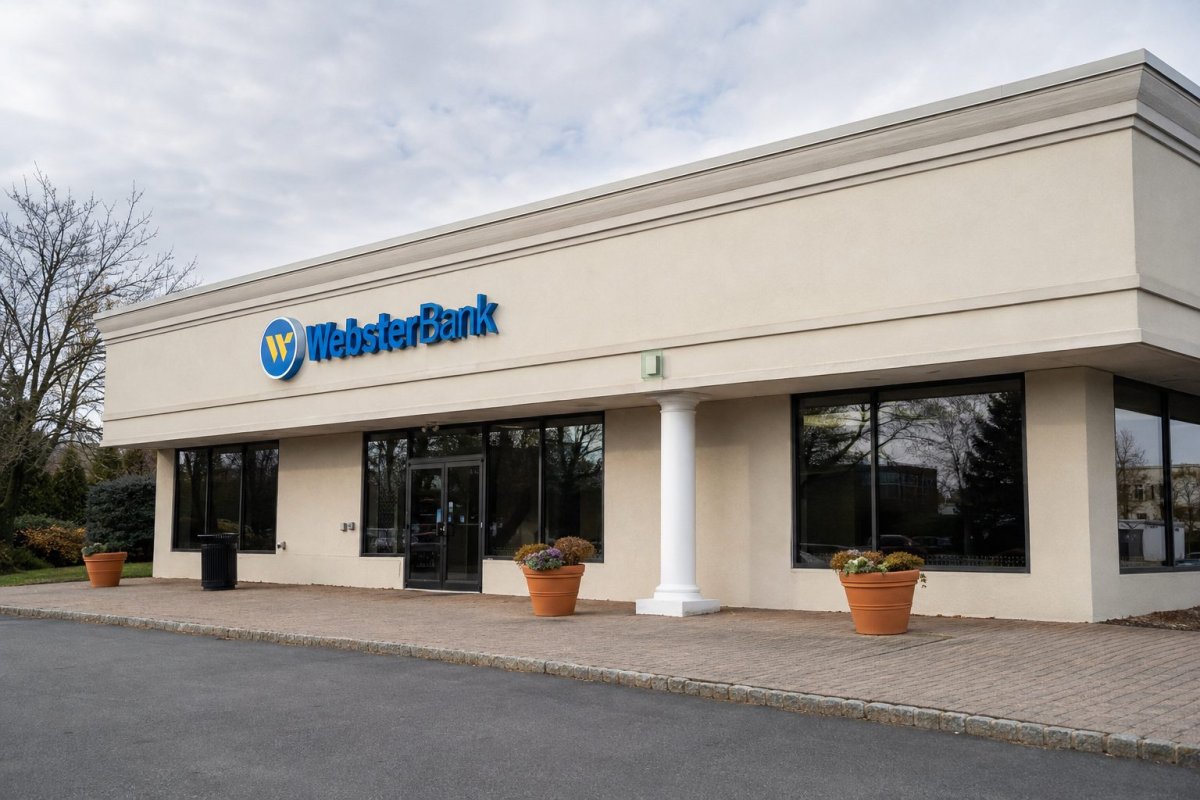
In a landmark transaction that reshapes the U.S. regional banking landscape, Banco Santander (NYSE: SAN) has finalized its $12.2 billion acquisition of Webster Financial Corporation (NYSE: WBS). The deal, which was first announced in February, closed on Thursday, August 20, 2026, with Webster shareholders receiving a combination of cash and Santander American depositary shares (ADS). The final implied value per Webster share stood at $78.09, based on Santander's U.S. listing price of $14.279 at 10:50 EDT.
The closing triggered an extraordinary surge in Webster's trading volume. On its final day as an independent stock, Webster saw 91.3 million shares change hands—approximately 15 times its three-month average daily volume of 6.1 million shares. This spike was driven by closing mechanics, including index rebalancing and merger arbitrage unwinding, rather than any new earnings news. Webster's stock had closed at $77.57 on August 19, leaving a mere 0.7% spread to the implied deal value, reflecting the market's confidence in the transaction's completion.
Deal Structure and Value
Under the terms of the agreement, each Webster shareholder received $48.75 in cash plus 2.0548 Santander ADS. At the time of calculation, the stock component was worth $29.34, bringing the total consideration to $78.09. This represented a modest premium of $0.52, or 0.7%, over the previous day's closing price. The structure was designed to provide Webster shareholders with immediate cash value while also giving them ongoing exposure to Santander's future performance.
The combined U.S. bank now operates with approximately $327 billion in assets, $185 billion in loans, and $172 billion in deposits. Santander has projected that the acquisition will boost its group earnings per share by 7% to 8% by 2028, with an ambitious target of achieving an 18% return on tangible equity (RoTE) in the U.S. by the same year. The bank also aims to realize $800 million in annual cost synergies, a key metric that investors will be watching closely.
Integration and Strategic Outlook
Santander's executive chair, Ana Botín, hailed the deal as "a perfect match" following regulatory approvals from the Federal Reserve, the Office of the Comptroller of the Currency (OCC), and the European Central Bank. The integration will test Santander's ability to retain Webster's low-cost deposit base and commercial banking relationships while executing significant cost reductions. Webster reported strong second-quarter results ahead of the close, with deposits growing 6% year-over-year to $70.3 billion and loans rising 7.8% to $57.9 billion. Adjusted earnings per share came in at $1.60, though the net interest margin contracted by 18 basis points to 3.26%, highlighting the funding cost pressures that Santander aims to alleviate.
For former Webster shareholders, the investment thesis has shifted from merger arbitrage to integration performance. The remaining value of their holdings now moves with Santander's U.S.-listed ADS, which traded at $14.279 on the closing day. Santander's stock has been under pressure in recent months amid concerns about global economic growth and rising credit costs, but the company remains confident in the strategic rationale for the deal.
Risks and Watch Points
Key risks include potential deposit outflows, customer disruption during system conversions, and the possibility that U.S. margins remain under pressure. Santander's ability to achieve its cost-saving targets without alienating customers will be critical. The company has set a target of maintaining a loan-to-deposit ratio of approximately 100%, which suggests it will use Webster's deposits to fund growth rather than relying on wholesale funding.
Analysts had largely aligned their price targets with the deal value in the months leading up to the close, with the consensus rating holding at "Hold" and an average target of $74.25. These recommendations are now obsolete, as Webster shares no longer trade. The next major catalyst for investors will be Santander's integration updates, with a focus on deposit retention, realized cost synergies, and progress toward the 2028 U.S. RoTE goal.
As Santander embarks on this transformative integration, market observers will be watching to see if the lender can deliver on its promises. The success of this deal could reshape Santander's U.S. footprint and set a precedent for future cross-border banking consolidation.