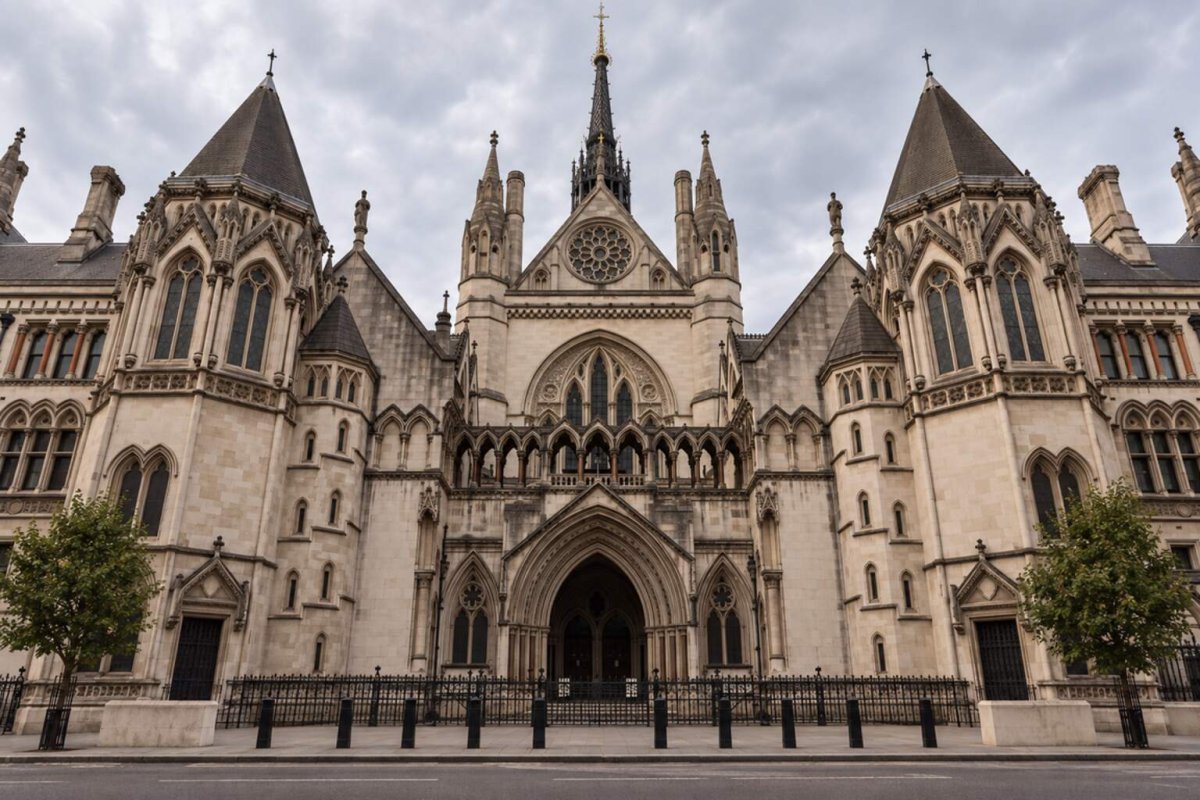
In a significant legal victory, Santander has won a London appeal that substantially reduces a £677 million payment-protection-insurance (PPI) award previously granted to AXA. The ruling, delivered by the Court of Appeal, has had a pronounced effect on Genworth Financial, whose shares dropped 5.5% as the decision eliminates a large portion of a contingent recovery that could have reached $750 million.
At 3:34 p.m. EDT on September 15, Genworth traded at $10.02, down from $10.60. Meanwhile, Santander's New York-listed shares slipped 0.8% to $14.62, and in Madrid, the bank closed 0.8% lower at €12.67. AXA's shares in Paris dipped 0.1% to €43.62. These price movements occurred during a broader risk-off session, so it is not possible to attribute every move directly to the court decision.
Why Santander Won
The Court of Appeal's judgment in AXA France IARD SA v Santander Cards UK Ltd centered on the effective date of an agency agreement. AXA had argued that Santander was obligated to indemnify it for PPI mis-selling losses related to store cards sold before 2005. The High Court had accepted this interpretation in 2025 and awarded approximately £677 million, including interest.
However, the appellate court ruled that the relevant clause covered only acts or omissions occurring after the agreement took effect on December 1, 2000, and did not impose retrospective liability. Santander had contended that roughly 85% of the award pertained to sales made before that date. The court also dismissed AXA's cross-appeal seeking contributions for losses outside the contractual indemnity.
Background of the Dispute
The dispute traces back through three corporate groups. GE Capital Bank originally sold the store-card policies and was acquired by Santander in 2009. The insurers that underwrote the policies later transferred to Genworth, and then to AXA in 2015. This chain of ownership left the companies arguing over which contract carried the burden of decades-old redress costs, even as consumers' entitlement to compensation was never in question.
Following the ruling, Santander stated that AXA should repay the "substantial majority" of what the bank had already paid. However, the win does not guarantee recovery of the entire £677 million. Liabilities linked to conduct after December 1, 2000 remain within the clause, and further appellate steps could delay the final cash position.
Genworth Loses a Large Option, Not Booked Earnings
Genworth is not a party to the Santander case, but its sale agreements with AXA entitled it to share in third-party recoveries. In its June-quarter filing, Genworth noted that an AXA victory could bring its total recovery to about $750 million, depending on exchange rates. The company had already received £15 million in November 2025 for an undisputed portion.
The potential amount was substantial relative to Genworth's $215 million of holding-company cash and liquid assets as of June 30, representing roughly 3.5 times that figure. However, it was never reflected in the company's official plans. Genworth had explicitly excluded further litigation proceeds from the assumptions behind its buybacks and other capital allocation decisions.
That distinction is crucial for investors. Tuesday's ruling removes most of a valuable upside scenario but does not create a new $750 million operating loss. In a statement after the decision, Genworth said it was working with AXA to assess next steps, including possible further appeals, while keeping its capital priorities unchanged.
Remaining Investor Questions
For Santander, the next key disclosures will be the amount and timing of any repayment from AXA, as well as the residual exposure for post-agreement sales. Until those figures are known, treating the £677 million as an immediate cash windfall would overstate the judgment's impact.
For Genworth, the primary risk is legal finality. A successful further appeal could restore part of the recovery, while an unsuccessful one would leave the company with the operating and capital plan it already funded without that money. AXA has described the financial impact as immaterial, which aligns with its muted share reaction in Paris, but it still must resolve the repayment mechanics and decide whether another appeal is worth pursuing.