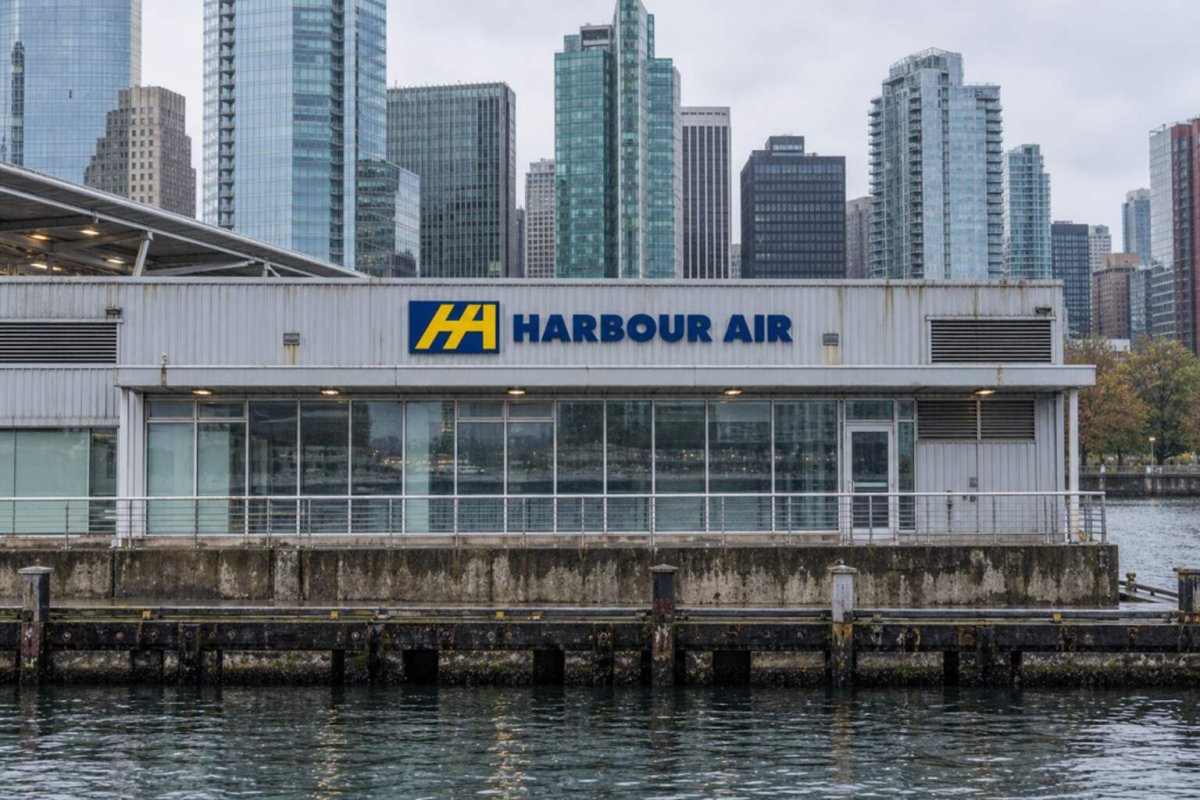
In a significant consolidation of British Columbia's regional aviation market, Harbour Air has announced an agreement to acquire Pacific Coastal Airlines. The proposed merger will unite a seaplane operator with a conventional regional carrier under a single private Canadian ownership group, creating a combined fleet of 59 aircraft and a workforce exceeding 900 employees.
The companies revealed on Tuesday that the combined entity will serve 25 communities across British Columbia, with Vancouver serving as the primary connecting hub. While the strategic rationale is clear—bringing together complementary route networks—the financial terms remain undisclosed. Harbour Air did not specify the purchase price, financing structure, revenue figures, profit projections, expected cost savings, or a target closing date in its September 15 announcement and accompanying backgrounder.
The transaction is subject to regulatory approval, and both airlines will continue to operate independently until the necessary clearances are obtained. This dual-brand approach is expected to preserve customer familiarity while allowing for operational coordination.
Building a Comprehensive Network
Harbour Air contributes 40 aircraft, including DHC-2 Beavers, DHC-3 Otters, DHC-6 Twin Otters, and Cessna Caravans, along with approximately 500 employees. The seaplane operator serves 13 destinations from its bases at Vancouver Harbour and Victoria Harbour. Pacific Coastal Airlines brings 19 Saab 340 and Beechcraft 1900 aircraft, around 400 employees, and a network of 19 destinations operating from Vancouver International Airport's South Terminal. The airline also provides charter and cargo services across Western Canada.
While the individual destination counts total 32, the combined group states it will serve 25 communities—a discrepancy reflecting differences in how destinations are defined. Nevertheless, the network's shape offers clear benefits: Harbour Air excels at connecting downtown and coastal points via floatplane, while Pacific Coastal reaches inland and northern communities with wheeled aircraft. This geographic complementarity allows for coordinated scheduling, sales, and connections without requiring operational integration of the two distinct fleet types.
Strategic Implications for Public Markets
For investors, the deal's relevance extends beyond the aircraft count. Harbour Air joined Air Canada's Aeroplan loyalty program in December 2025, offering points on eligible fares. The announcement suggests that airline partnerships and loyalty benefits will expand, but it stops short of confirming that Pacific Coastal flights will earn Aeroplan points or become Air Canada connections. Such a development would be more meaningful to Air Canada (TSX:AC) investors than the raw fleet size, as it would indicate whether the acquisition adds feeder traffic to Air Canada's western network.
Exchange Income Corporation (TSX:EIF) offers a more direct public-market comparison, given its portfolio of regional and remote airlines including Calm Air, Canadian North, PAL Airlines, and Perimeter Aviation. However, without disclosed financials from Harbour Air, deriving a valuation multiple for comparison would be speculative.
Regulatory and Integration Hurdles
The path to completion involves several regulatory checkpoints. Canada's Competition Bureau can review any merger, examining market concentration, entry barriers, pricing, service quality, and innovation. Transport Canada separately oversees air-carrier mergers under its own framework. The companies have not indicated which filings have been submitted or whether the transaction meets mandatory notification thresholds.
Operational integration presents its own challenges. Floatplanes and wheeled regional aircraft require different facilities, maintenance procedures, certifications, and weather limitations. While keeping both brands protects customer loyalty, it may also slow the realization of cost savings. Management's initial credibility will be judged on a dated closing plan, disclosed financing, concrete route-level connection changes, and evidence that a unified loyalty system benefits customers without service reductions in remote communities.
Until these details emerge, the deal represents a notable consolidation of British Columbia's regional aviation infrastructure—a network that is measurable in scope, but whose financial value remains opaque.