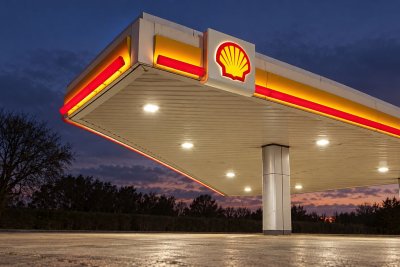
LONDON, July 20, 2026, 10:09 BST — Markets in London opened mixed, with Shell plc (LON:SHEL) shares trading near 3,232p after an opening at 3,270p. The stock had risen 6.5% over the previous week, but that gain represented only 41% of the 15.9% surge in Brent crude prices. The disparity highlights the complex relationship between Shell's upstream profits and its exposure to operational risks in the Gulf region.
While higher crude prices generally boost Shell's upstream earnings, the company's assets and shipping operations in the Gulf of Mexico and the Middle East are also vulnerable to disruptions. This dual nature means that a rise in oil prices does not translate directly into proportional gains for Shell. The gap is significant: Shell lagged behind some European rivals, with BP (LON:BP) gaining 7.1% (45% of Brent's rise) and Equinor (OSL:EQNR) climbing 8.7% (55% of Brent's rise).
Brent crude futures slipped slightly on Monday, trading at $88.31 at 09:43 BST, down from an opening of $90.84. The weekly comparison shows Brent rose 15.9% from July 10 to July 17, while Shell's 6.5% increase was less than half that. The comparison is not an official beta measurement, but it underscores that crude's surge did not flow through to Shell on a one-for-one basis.
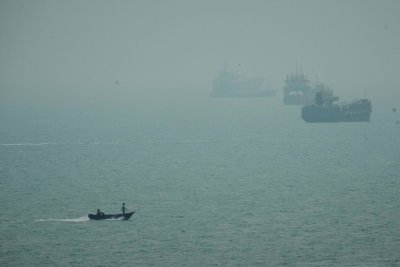
Oil analysts remain cautious. Giovanni Staunovo, an analyst at UBS Group AG (SWX:UBSG), noted that the oil market is tightening again, which should keep prices supported. However, geopolitical risks persist. According to Reuters shipping data, only four ships passed through the Strait of Hormuz on Sunday, compared to eight on Saturday, and the strait previously handled about 20% of global oil shipments before the conflict. Shell operates in both the Gulf and the Middle East, with the Middle East accounting for roughly 20% of its total production, or about 550,000 barrels of oil equivalent per day (boed). Nearly 10% of that is associated with Qatar, where the restoration of a damaged Pearl gas-to-liquids train is expected to take about a year.
Guidance from the company has provided some cover. Shell lifted its integrated-gas production outlook to 610,000–650,000 boed and boosted its LNG liquefaction forecast to 7.4–7.8 million tonnes. However, cash conversion remains the main challenge. Shell projected a working-capital inflow of between $1 billion and $6 billion, after recording an $11.2 billion outflow in the first quarter. This points to a quarter-on-quarter shift ranging from $12.2 billion to $17.2 billion.
Capital returns add another timing consideration. Shell restarted its $3 billion share buyback after ARC Resources Ltd. (TSE:ARX) investors approved the acquisition. Shell stated that postponed purchases would be recovered in 2026, pending board consent. The company is set to announce its second-quarter earnings and interim dividend on July 30. Investors will focus on whether improved trading performance can compensate for operational disruptions, with cash generation remaining the top priority.
Risks include a potential ceasefire or faster tanker restoration that could erase crude's risk premium. Conversely, additional disruption in Qatar or the Strait of Hormuz could lower Shell's volumes and delay cash recovery. The market will be watching closely.