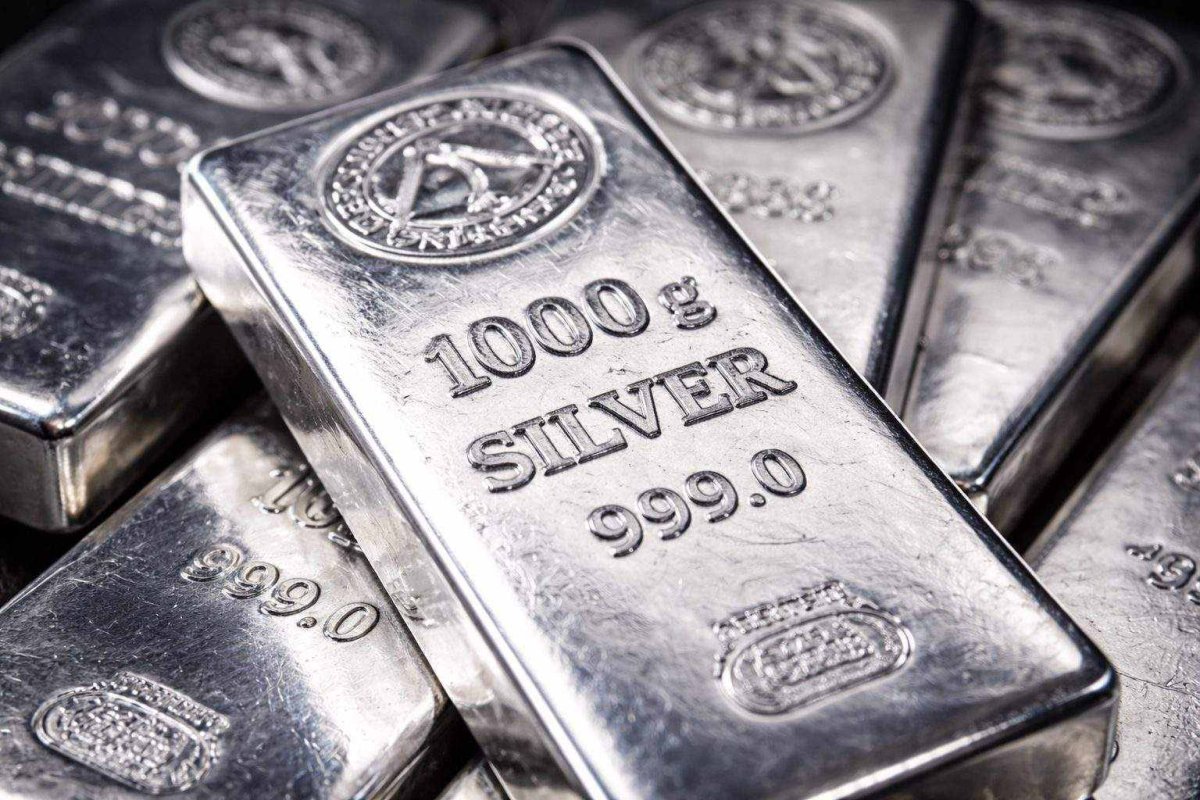
Spot silver edged higher on Tuesday, March 24, 2026, gaining 1.1% to $69.86 per ounce by late morning Eastern Time, as it continued to hover around the psychologically significant $70 level. The precious metal found itself caught between two dominant market forces: escalating geopolitical tensions in the Middle East and persistent concerns over the trajectory of global interest rates.
Broader Market Context and Commodity Movements
The trading session saw divergent moves across the commodity complex. While gold prices remained largely unchanged, platinum managed a modest gain of 0.7%. Palladium, however, declined 1.3%. The energy market experienced significant volatility, with Brent crude oil surging 4.2% to $104.13 a barrel. Concurrently, the U.S. Dollar Index strengthened slightly, adding 0.18% to reach 99.36.
Industrial Demand and Structural Supply Deficit
Silver's price action is uniquely influenced by its dual role as both a monetary and industrial metal. Its critical applications in electronics, electric vehicles, and solar panel manufacturing keep it in constant focus for both investors and industrial consumers. This industrial linkage often amplifies its price movements relative to gold. In a significant long-term forecast, The Silver Institute reported in February that the global silver market is poised for a sixth consecutive annual structural supply deficit in 2026, a condition where demand consistently outpaces mine and scrap supply.
This persistent deficit is a fundamental factor underpinning the metal's value and intensifying scrutiny of its recent price volatility. The macro-economic backdrop applied further pressure, as traders recalibrated expectations for central bank interest rate cuts. Concerns that conflict in the Strait of Hormuz could disrupt oil shipments and stoke inflationary pressures led markets to price in a more hawkish monetary policy outlook. Since silver, like gold, offers no yield, it becomes less attractive to hold when interest rates rise and the dollar appreciates.
Analyst Perspectives on Precious Metals
Bart Melek, Global Head of Commodity Strategy at TD Securities, noted that gold could remain "under pressure for the second quarter" if ongoing conflict continues to drive energy prices higher. He observed that silver has been tracking the same trend but with more pronounced volatility, a function of its industrial ties and heightened speculative positioning around interest rate expectations.
The previous day's trading highlighted the extreme uncertainty prevailing in markets. Silver had rallied 2.5% to $69.47 after former President Donald Trump delayed planned strikes on Iranian targets, triggering sharp moves across metals, energy, and equity markets. David Meger, Director of Metals Trading at High Ridge Futures, commented, "The earlier dip came as investors bailed out of bullish bets and braced for higher rates," adding that such swings could persist in the near term.
The Stagflation Scenario and Price Discovery
John Reade, Senior Market Strategist at the World Gold Council, suggested that precious metals are likely to eventually react to the threat of stagflation—a challenging economic environment combining sluggish growth with elevated inflation. However, he cautioned that "more profit taking and liquidation" could occur first. Silver currently sits in a tug-of-war: some buyers are attracted by its traditional safe-haven characteristics during times of geopolitical stress, while others remain cautious due to the potential for tighter monetary policy from central banks.
A key question for traders is where a sustainable price floor might be established following January's historic volatility. Last month, analysts cited by Reuters identified a range of $60 to $70 per ounce as a more defensible trading level. This assessment came after silver spiked to an unprecedented $121.6 on January 29 before experiencing a sharp plunge. That $60-$70 range, which seemed distant in January, now appears much more relevant.
The path forward remains highly contingent on geopolitical developments. A decisive diplomatic breakthrough could strip away the "war premium"—the conflict-driven price cushion—embedded in commodity prices. Conversely, a prolonged disruption to shipping through the critical Strait of Hormuz could keep oil prices above $100 per barrel, further delaying expectations for interest rate cuts and keeping inflation concerns at the forefront for traders, with safe-haven demand taking a secondary role.