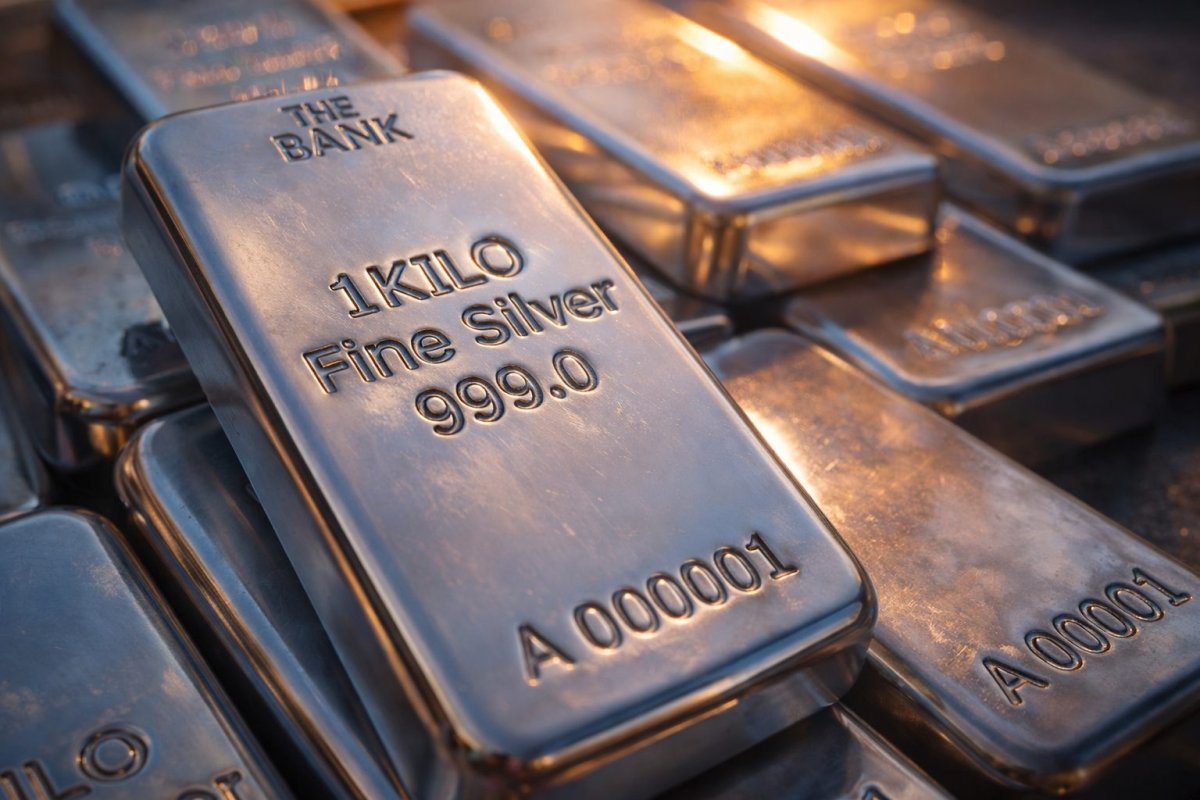
Spot silver prices experienced a significant rebound on Tuesday, March 31, 2026, climbing 6.7% to reach $74.64 per ounce. The rally was part of a broader precious metals advance, with gold rising 3.2%, platinum adding 3.1%, and palladium surging 5.2%. The primary catalysts were a softening U.S. dollar and emerging signals that military tensions involving Iran may not escalate further.
A Monthly Decline Overshadows Daily Gains
Despite Tuesday's strong performance, silver remains under considerable pressure for the month. The metal has declined 20.4% throughout March, illustrating how swiftly gains can evaporate when influenced by shifting oil prices, dollar strength, and changing interest rate expectations. Silver's unique position as both a monetary and industrial metal—integral to electronics, solar panels, jewelry, and coinage—means its price is sensitive to a complex array of macroeconomic and industrial demand factors.
Market Turbulence Prompts Real-World Adjustments
The volatility is having tangible effects beyond trading desks. Germany announced on Monday that it would reduce the silver content in two of its collector coins in response to the metal's sharp price swings. This move highlights how sustained price instability can alter production and minting decisions even at a national level.
Fundamentally, the market structure remains tight. The Silver Institute continues to project a sixth consecutive annual structural supply deficit for the current year. This indicates that global demand is expected to outpace supply once again, a trend persisting despite a noted minor increase in mine output.
Dollar Dynamics and Geopolitical Developments
The U.S. dollar retreated on Tuesday, providing a tailwind for dollar-denominated commodities like silver, which become less expensive for holders of other currencies. However, the greenback is still on track for a monthly gain, which has kept a lid on metals prices for much of March. A key factor behind the risk-on sentiment was a Wall Street Journal report suggesting U.S. President Donald Trump might be open to halting military escalation against Iran, even if the strategic Strait of Hormuz is not immediately reopened.
Market analysts noted the shift. Peter Grant, Vice President and Senior Metals Strategist at Zaner Metals, described the precious metals rally as "encouraging," citing "increased optimism about de-escalation in the Middle East." He cautioned, however, that he would need to see further price gains before declaring a durable trend change.
Diverging Long-Term Views
Grant pointed to sustained central bank buying and a broader geopolitical movement by some nations to diversify away from U.S. dollar dependence as foundational supports for the long-term precious metals narrative. In contrast, analysts at BNP Paribas have projected silver to trade between $65 and $75 through 2026. They anticipate the physical market will tip into a surplus by 2027, with supply finally overtaking demand.
Tuesday's sharp move higher followed a subdued session on Monday, where silver edged up just 1% to close at $70.27. Despite the vigor of the rally, it recouped only a fraction of the losses sustained during the metal's steep March decline.
Key Drivers and Conflicting Forces
Jim Wyckoff, Senior Analyst at Kitco Metals, identified "the war, crude oil prices, bond yields, and the U.S. dollar index" as the principal near-term drivers for precious metals, a framework that applies squarely to silver. Like gold, silver offers no yield, making it vulnerable to rising interest rates which increase the opportunity cost of holding it, even when geopolitical unrest prompts flights to safety.
Silver is currently being pulled in opposing directions. Brent crude oil hovered near $118 a barrel on Tuesday. Colin Graham, Head of Multi-Asset Strategies at Robeco, warned that a continued closure of the Strait of Hormuz "for the next week or two" would raise recession risks. Such conditions could perpetuate stubborn inflation and suppress expectations for interest rate cuts—precisely the macroeconomic setup that has weighed on metals throughout March.
With Tuesday's rebound, silver is now testing the upper bounds of the annual trading ranges forecast by several major banks. This suggests bullish sentiment is not entirely extinguished. The immediate future for the metal will likely hinge less on technical chart patterns and more on concrete developments in oil markets, dollar strength, and whether the recent signals of de-escalation with Iran translate into sustained diplomatic progress.