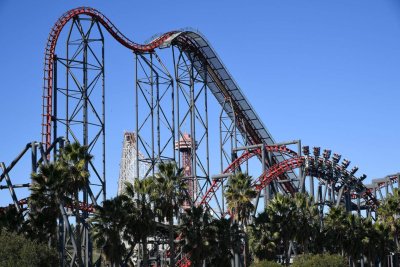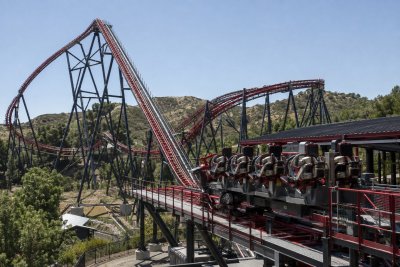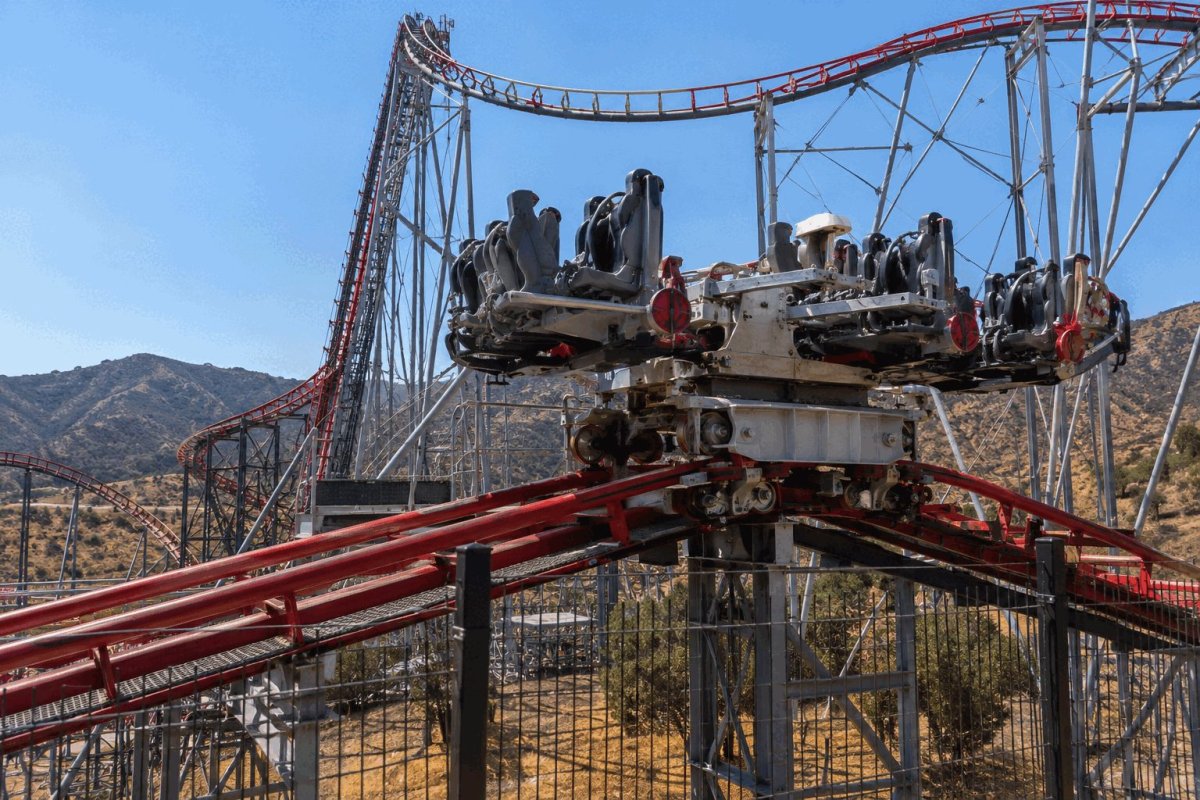
Six Flags Entertainment Corporation (NYSE: FUN) is facing heightened safety concerns as California's occupational safety agency investigates its X2 roller coaster following two reported brain hemorrhages. The ride remains closed, and the company's stock has dipped in response to the ongoing scrutiny.
Incident Details and Regulatory Action
Cal/OSHA launched an inspection after a July 5 incident at Six Flags Magic Mountain in Valencia, California, where an unconscious rider required emergency response. CNN reported that two women suffered similar brain hemorrhages after riding X2 in July, raising questions about the ride's safety. The attraction has been shut down for more than a month, and the investigation is ongoing.
This isn't the first legal challenge for X2. A family has claimed the ride caused a fatal brain injury in 2022, with a jury trial scheduled to begin next month. Six Flags continues to promote X2 as a signature thrill ride, featuring wing seats that rotate 360 degrees and head-first plunges.
Financial Impact and Investor Concerns
The safety probe comes at a critical time for Six Flags. In its latest quarter, the company reported average revenue of $62.89 per visit. This means a shift of 100,000 visits translates to approximately $6.29 million in guest spending. The table below illustrates the potential impact of attendance changes on revenue based on Q2 per-capita spending.
- 50,000 entries: $3.14 million (0.36% of Q2 income)
- 100,000 entries: $6.29 million (0.73% of Q2 income)
- 250,000 entries: $15.72 million (1.82% of Q2 income)
- 500,000 entries: $31.45 million (3.64% of Q2 income)
These are sensitivity scenarios, not forecasts, but they highlight the financial stakes. In Q2, Six Flags generated $864.9 million in revenue with 13.13 million visits. Same-park attendance grew 4%, and revenue increased 2.4% on that basis. July and August are crucial months, often accounting for nearly half of annual attendance and over half of total earnings.
Reserves and Balance Sheet Risks
The company's balance sheet already reflects accident-related exposure. As of June, self-insurance reserves—both current and long-term—stood at $141.3 million, with an additional $12.5 million in litigation reserves. Combined, these total $153.8 million, representing 9.3% of Six Flags' $1.65 billion market capitalization. With gross debt at $5.02 billion, new claims or extended shutdowns could have outsized implications.
Wall Street remains cautiously optimistic. Sixteen analysts have set an average price target of $21.71, rating the shares as Overweight. This target is 34.6% above Wednesday's close of $16.13. However, the stock has been under pressure, falling 2.77% on Wednesday and another 0.25% in premarket trading Thursday.
What Investors Should Watch
The key risks include potential findings of design flaws, the outcome of the September trial, and any updates on repair costs or the ride's reopening timeline. Investors should monitor Cal/OSHA's findings and any changes to the company's reserves, which would signal the financial scope of the issue.
While X2's individual revenue may be limited, the broader impact on attendance and brand reputation could be significant. As the investigation unfolds, the market will be watching closely for signs of how this safety crisis might affect Six Flags' operations and financial health.