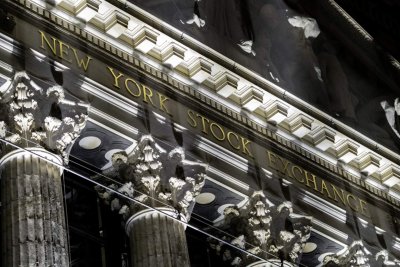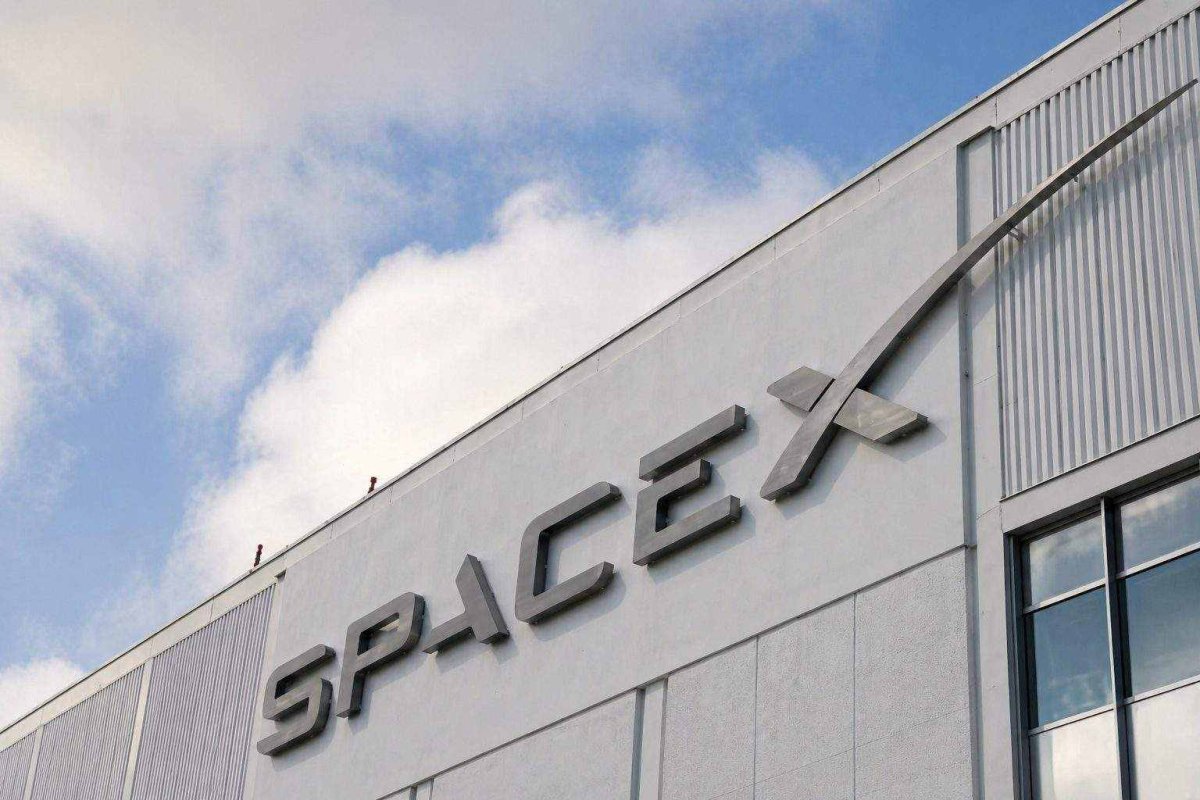
SpaceX's anticipated initial public offering is generating significant buzz on Wall Street, with the rocket and satellite company reportedly targeting a valuation of $1.75 trillion. The confidential filing, submitted to the U.S. Securities and Exchange Commission earlier this month, could pave the way for one of the largest stock market debuts in history. Less than 5% of shares are expected to be floated publicly, with a notable portion reserved for retail investors.
The company hosted a three-day analyst event last week in Texas and Tennessee, offering a glimpse into its financials and strategic outlook. According to reports, SpaceX's valuation hinges heavily on its Starlink satellite internet business, which has emerged as a recurring revenue engine. Starlink's operating income doubled last year to $4.42 billion, underscoring its role as the company's cash cow. However, the broader financial picture remains complex, with capital expenditures projected at $20.74 billion for 2025, driven largely by AI-related investments through xAI, which posted a $6.4 billion operating loss.
Starship's Role in the IPO Narrative
Beyond Starlink, SpaceX is betting on its Starship rocket to drive long-term growth. The fully reusable spacecraft is designed to slash launch costs and support ambitious projects, including lunar missions under NASA's Artemis program, Mars colonization, and even orbiting data centers. The third-generation Starship, described by executives as a "clean sheet design," is expected to undergo its 12th test flight in late May, coinciding with the expected public release of SpaceX's registration statement and the start of the IPO roadshow.
Investors are closely watching Starship's progress. A successful test would bolster confidence in SpaceX's ability to transition the vehicle from a prototype to a cost-saving workhorse. Conversely, a failure could intensify scrutiny on the company's timeline and capital efficiency. Bill Riley, vice president of Starship engineering, emphasized that this version is the one to "put humans back on the moon," highlighting its strategic importance.
Market Context and Competitive Landscape
SpaceX's IPO is already influencing the broader space sector. HawkEye 360, a rival satellite analytics firm, announced plans for a U.S. IPO on Monday, targeting a valuation of up to $2.42 billion. The move underscores the ripple effect of SpaceX's public filing, which has emboldened other space-tech companies to accelerate their own listing plans. Amazon's Project Kuiper, a low-Earth-orbit broadband constellation, could launch as early as this summer, while AI firms like OpenAI and Anthropic are also preparing major listings, testing investor appetite for growth-driven narratives.
SpaceX's valuation is not without its skeptics. The company's AI-related investments have been a significant drain, accounting for 61% of its 2025 capital spend. Melissa Otto, head of research at S&P Global Visible Alpha, noted that "clear visibility" on SpaceX's ability to scale compute economics will be crucial for investors. Meanwhile, governance concerns are emerging, as SpaceX plans to maintain a "controlled company" designation post-IPO, allowing Elon Musk and insiders to retain super-voting shares. Minmo Gahng, assistant professor of finance at Cornell University, pointed out that such a dual-class structure enables Musk to tap public capital while retaining firm control.
IPO Structure and Retail Investor Focus
SpaceX is breaking with tradition by prioritizing retail investors in its IPO allocation. CFO Bret Johnsen told bankers that the company wants retail investors to take up "a bigger part than any IPO in history." A roadshow is scheduled for the week of June 8, followed by a June 11 gathering for 1,500 retail investors. This approach could democratize access to one of the most anticipated listings in years, though it also raises questions about price volatility and long-term shareholder alignment.
Wall Street is now grappling with how to value SpaceX's unique mix of assets: a cash-generating satellite internet business, a next-generation rocket, and speculative AI ventures. The IPO will serve as a litmus test for mega-cap valuations in the space and AI sectors. If SpaceX can demonstrate that Starlink's cash flow is sustainable, Starship reduces costs, and AI investments translate into revenue, it could redefine how private tech giants are valued in public markets. Otherwise, shareholders may be left paying a premium for a vision that has yet to fully materialize.