SpaceX is developing a new ground-based solution to extend its Starlink Mobile satellite service indoors, according to CEO Elon Musk. Speaking at The New York Times DealBook Summit on November 18, Musk revealed that the company has designed small rooftop cellular stations, known as microcells, to supplement satellite-to-phone connectivity. These devices would operate in the 800 MHz band and could be bundled with Starlink terminals, with production tentatively slated for 2027.
Addressing the Indoor Coverage Gap
Musk highlighted a significant limitation of current satellite-to-phone technology: thick or metal roofs can block direct satellite signals, leaving users without connectivity inside buildings. The proposed microcells would act as a ground-based complement, capturing satellite signals outdoors and relaying them to phones indoors via a local cellular network. This approach aims to bridge the gap between outdoor satellite coverage and the need for reliable indoor communication.
While the design is complete, Musk was cautious about the timeline, stating, “I think next year,” when asked about production. However, the published transcript does not specify pricing, coverage radius, or a customer launch date, leaving many details open for future announcements.
Regulatory Hurdles: FCC Review of 800 MHz Licenses
The initiative faces a separate regulatory process that predates Musk’s interview. On November 10, the Federal Communications Commission (FCC) accepted applications to transfer control of 546 paired 800 MHz licenses from Grain-controlled entities to Starlink Spectrum Holdings, a SpaceX subsidiary. This acceptance initiates a public review, but it does not constitute approval.
The FCC notice outlines the scope: the licenses cover the 817–824 MHz and 862–869 MHz bands, providing up to 14 MHz of paired spectrum. Public comments are due by December 1, 2026, with oppositions due by December 8. Additionally, SpaceX has a separate pending request for satellite supplemental coverage using these frequencies, filed on October 27, which remains under review.
Technical and Operational Uncertainties
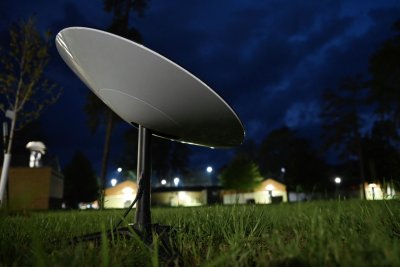
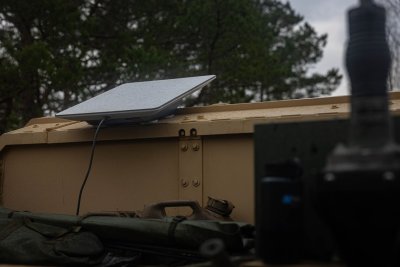
The proposal raises questions about how the microcells will integrate with existing Starlink infrastructure. Current Starlink broadband installations require an outdoor dish with a clear view of the sky, connected via cable to an indoor router. Musk’s remarks suggest that microcells would add a local cellular layer, but the network architecture—including how each station connects to the broader internet—remains unspecified.
Moreover, the interview provided no performance data, such as how far the microcells could transmit through walls or whether existing Starlink hardware could be upgraded to support the new band. Analysts note that the proposal is still in its early stages, with no test measurements or detailed specifications released.
Market Implications and Next Steps
If successful, the rooftop microcells could position SpaceX as a major player in the direct-to-device satellite market, competing with other players like AST SpaceMobile (ASTS) and Globalstar. However, the timeline remains uncertain, and regulatory approval is not guaranteed. Investors and industry watchers will be closely monitoring the FCC review process and any additional technical disclosures from SpaceX.
For now, the rooftop microcell concept is a disclosed part of SpaceX’s broader satellite-and-ground mobile strategy, but its viability hinges on regulatory clearances, production schedules, and real-world performance validation. No customer pricing or launch dates have been announced, and the company has not confirmed whether existing Starlink terminals can be adapted for the new 800 MHz capability.