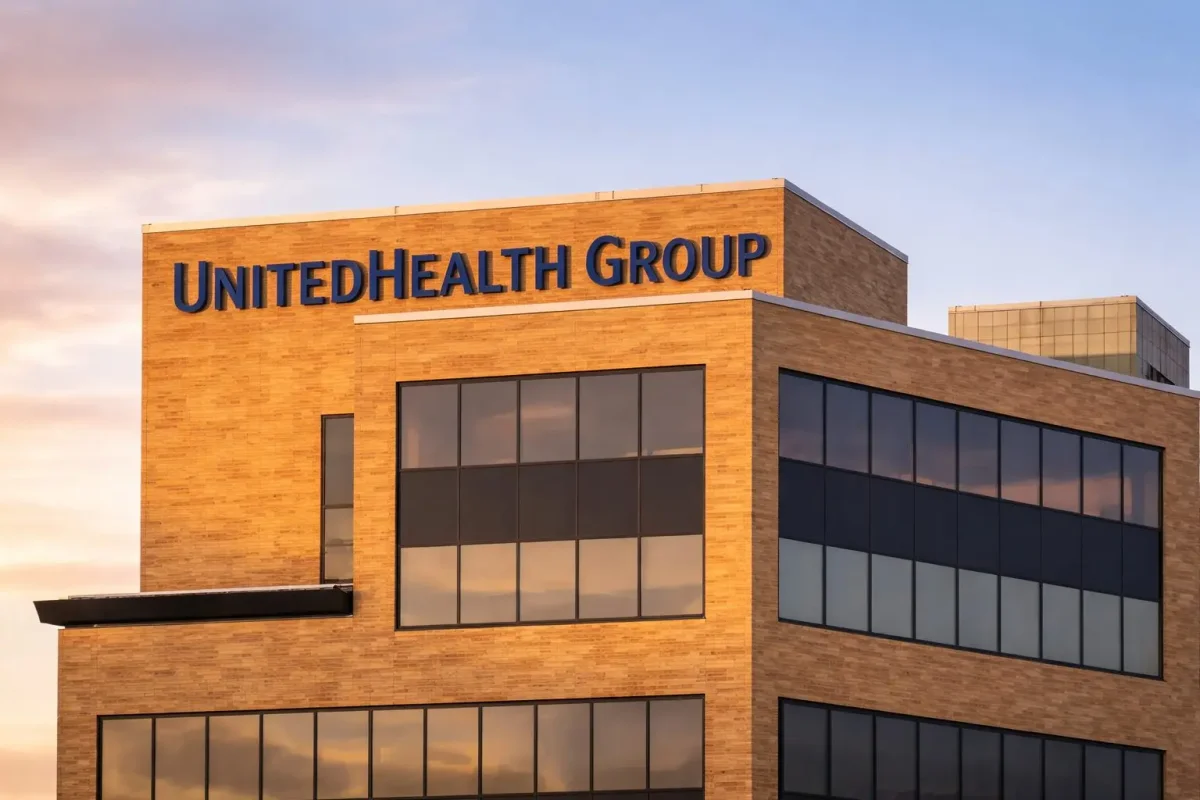
Shares of UnitedHealth Group moved higher in extended trading on Monday, buoyed by a regulatory decision that sets higher payment rates for Medicare Advantage plans in 2027. The Centers for Medicare & Medicaid Services finalized a 2.48% increase, a move that translates to more than $13 billion in additional plan payments and surpassed the modest adjustment initially proposed earlier this year.
Earnings Spotlight Approaches
The positive news arrives just ahead of a critical financial update from the healthcare giant. UnitedHealth is scheduled to announce its first-quarter 2026 results before the market opens on April 21. According to analyst consensus data, the company is expected to post earnings per share of approximately $6.65, which would represent an 8% decrease compared to the same period last year. Revenue for the quarter is projected to be around $109.58 billion.
This earnings date has been closely watched by investors since January, when UnitedHealth cautioned that its 2026 revenue could see a rare annual decline. That warning, coupled with the government's earlier proposal for a nearly flat rate adjustment, had fueled concerns about sustained pressure on the company's profit margins.
Industry-Wide Implications
The Medicare Advantage program, through which private insurers administer government-funded health plans for seniors, is a cornerstone of profitability for the managed care sector. The finalized rate hike provided a lift not only to UnitedHealth but also to peers like Humana and CVS Health. In a statement, CMS Administrator Mehmet Oz said the updates are designed to maintain affordable coverage and ensure patients receive value from their plans.
Analysts note that UnitedHealth's diversified structure, which includes its Optum health-services and pharmacy benefit units, may provide a buffer against margin pressures that more focused rivals could face. This business mix is a point of differentiation within the industry.
Management's Reset Narrative and Analyst Outlook
Stephen Hemsley, who has returned to the chief executive role, has framed the 2026 fiscal year as a reset for the organization. In a January communication, Hemsley pointed to palpable internal momentum and reaffirmed the company's full-year outlook, which calls for revenue exceeding $439 billion and adjusted earnings per share above $17.75. The company has also reiterated that it anticipates roughly 65% of its 2026 earnings to be realized in the first half of the year.
Despite recent challenges, some on Wall Street see potential for a rebound. Last week, Raymond James analyst John Ransom upgraded UnitedHealth to an outperform rating, assigning a $330 price target. Ransom cited opportunities for the company to reduce overhead and improve margins following a period of share price weakness.
Unresolved Regulatory Details
While the rate increase is a positive development, the CMS decision left some stricter policy measures intact. The agency maintained tighter risk-adjustment rules, which govern higher payments for plans that enroll sicker beneficiaries. Furthermore, CMS plans to exclude diagnoses from chart reviews that are not associated with an actual patient visit. These elements could continue to pose headwinds for plan operators.
Morningstar analyst Julie Utterback previously noted that investors hoping for a rapid financial recovery in the sector may need to exercise patience, as these regulatory complexities persist.
The Path Forward
All eyes are now on the April 21 earnings report. The key for UnitedHealth's stock trajectory will be whether medical cost trends show signs of moderation and if management reaffirms its full-year guidance. If these conditions are met, Monday's favorable rate decision could signal the beginning of a more stable period. However, if medical costs remain elevated, the reimbursement boost may only offer temporary relief rather than a fundamental improvement.
The outcome will also be scrutinized by competitors Humana and CVS, as they assess the implications for their own Medicare Advantage business lines. The coming weeks will determine if this policy shift marks a turning point or merely a pause in a challenging operating environment for the managed care industry.