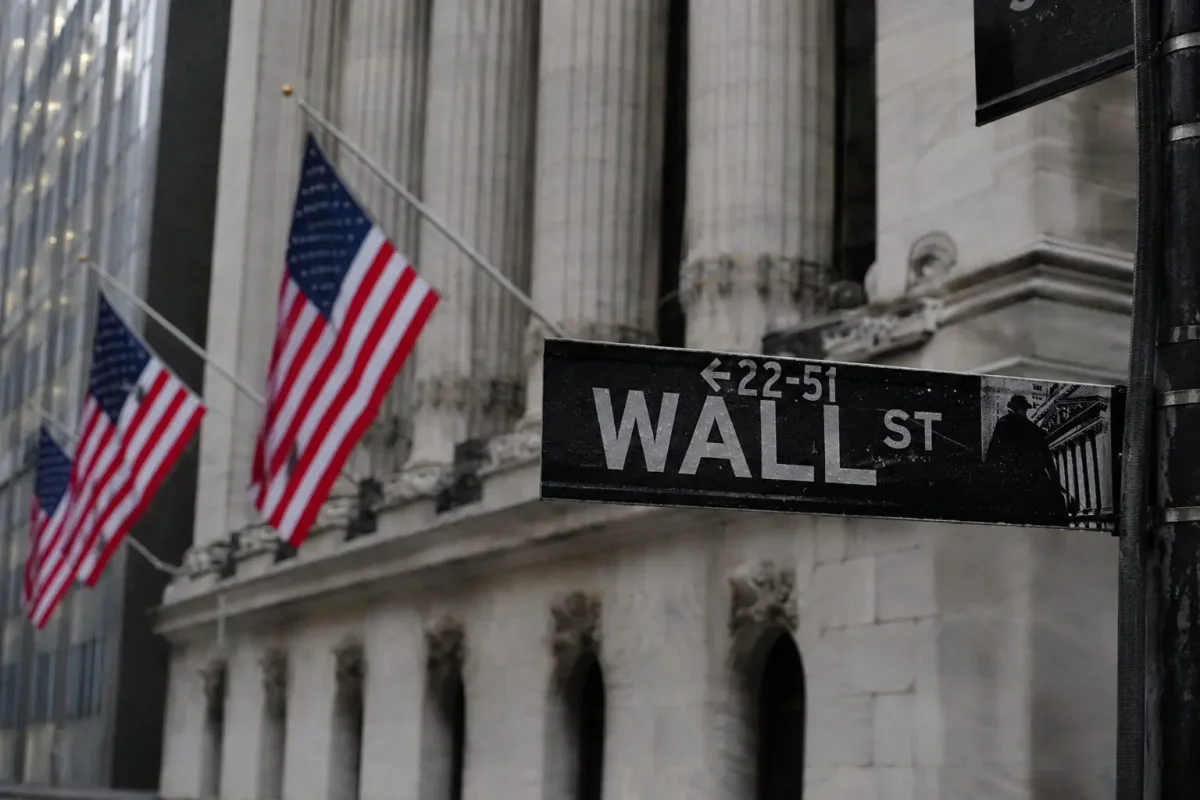
U.S. stock futures displayed a mixed picture on Tuesday, July 29, 2026, as a sharp rise in oil prices and anticipation of the Federal Reserve's upcoming rate decision weighed on investor sentiment. At 8:20 a.m. EDT, Dow Jones Industrial Average futures declined by 0.66%, while contracts for the S&P 500 and Nasdaq 100 were little changed, reflecting cautious positioning across major indices.
Oil Surge and Fed Anticipation
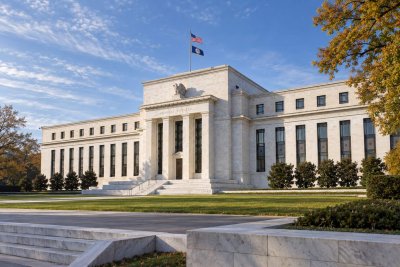
Brent crude advanced over 5%, pushing the 10-year Treasury yield to 4.63% and reigniting inflation concerns ahead of the Fed's statement due at 2:00 p.m. EDT. Markets are pricing in roughly a 38% probability of a 25-basis-point rate hike, with the federal-funds target currently at 3.50% to 3.75%. Analysts noted that dissenting votes within the Fed could provide more insight than the headline decision itself, as explained by Michael McGowan, chief investment strategist at Pathstone.
0 Billion AI Options Test
Attention is also zeroing in on a $190 billion AI-driven test in the technology sector options market. Options activity on Microsoft (NASDAQ:MSFT) signals an expected 6.6% swing following its earnings report, representing roughly $190 billion in market capitalization. This implied move is 50% higher than the typical actual move over the last 12 quarters. In contrast, Meta Platforms (NASDAQ:META) shows virtually no comparable premium, with an implied move of 7.8% versus a 7.9% actual average. The contrast highlights that investors are specifically focused on Microsoft's ability to deliver on its massive AI spending, rather than broad tech concerns.
“Investors have seen the AI spending. Now they want to see the receipts,” said Peter Andersen, head of Andersen Capital Management.
Earnings Season and Market Shifts
Earnings season remains robust, with 85.2% of the 169 S&P 500 companies that have reported beating forecasts, well above the typical 68% beat rate. However, the Nasdaq has fallen to its lowest in three months, while the Dow has climbed to a two-week high. On Tuesday, the Dow rose 1.03%, the S&P 500 added 0.21%, but the Nasdaq slipped 0.22% as the PHLX semiconductor index dropped 4.5%.
Seagate Technology (NASDAQ:STX) gained roughly 5% in premarket trading after reporting quarterly revenue of $3.629 billion and adjusted earnings of $5.71 per share, with current-quarter revenue guidance of $4.1 billion (plus or minus $100 million). Conversely, KLA (NASDAQ:KLAC) dropped roughly 9% despite guiding to midpoint revenue of $4 billion for the current quarter, as the market's elevated expectations for AI-related equipment makers were disappointed. Ford Motor (NYSE:F) shares climbed roughly 5.6% after the company raised its full-year adjusted operating profit outlook to a range of $10 billion-$11 billion, up from $8.5 billion-$10.5 billion.
Risks and Outlook
Key risks include a potential unexpected rate hike, hawkish dissent, or a renewed oil shock that could push yields higher. Disappointing guidance from Microsoft or Meta could accelerate the Nasdaq's slide, while easing tensions in the Middle East might unwind some risk premium. The Federal Reserve's statement is due at 2:00 p.m. EDT, followed by Chairman Kevin Warsh's remarks at 2:30 p.m. Microsoft and Meta earnings are expected after the market close.