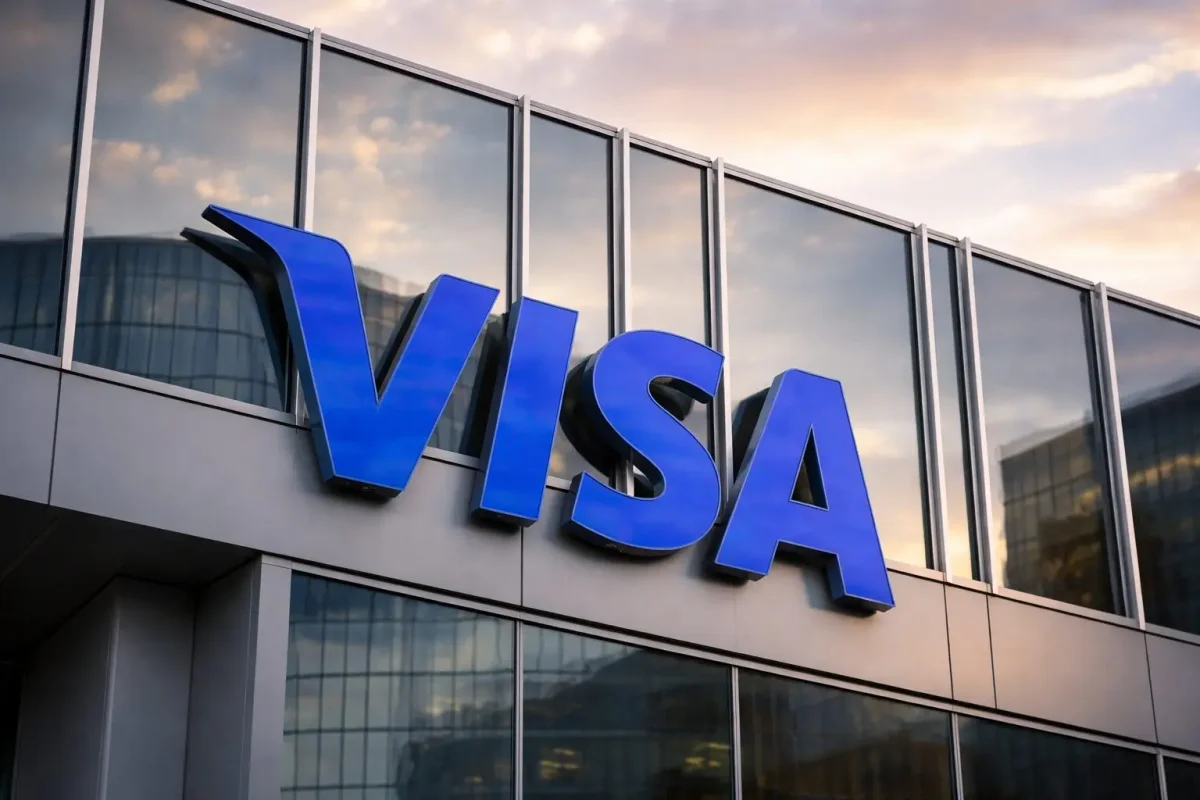
Visa Inc. shares showed minimal movement in Monday afternoon trading, edging up a mere 0.1% to $320.37, as investors digested a postponed initial public offering and broader market uncertainty. The financial giant found itself in a holding pattern despite being named a prospective anchor investor for the upcoming Nasdaq listing of SoftBank's payments unit, PayPay.
PayPay IPO Roadshow Paused
SoftBank's PayPay has temporarily halted its investor roadshow for its planned Nasdaq debut, a decision that followed military strikes against Iran over the weekend. A roadshow is a critical phase where a company presents its investment case to major institutional investors ahead of setting a final offer price. Anchor investors like Visa are pivotal, providing early capital commitments to help generate broader market demand for the stock sale.
The postponement underscores how geopolitical events can swiftly impact capital markets, potentially closing the window for new equity issuance. For the fintech and digital payments sector, such volatility can stall dealmaking momentum and alter growth strategies, even for established players.
Market Context and Sector Performance
The trading session saw U.S. equities recover from an early decline, supported by strength in technology stocks even as rising oil prices weighed on sectors like airlines and cruise lines. "When people get scared, they go back to what is comfortable," observed Bill Smead, founder and chairman of Smead Capital Management.
Within the payments sector, performance was mixed. Mastercard shares gained approximately 0.8%, while American Express dipped about 0.4%. Visa's stock traded in a narrow range between $319.99 and $322.58, with around 4.3 million shares changing hands, according to LSEG data.
Inflation and Consumer Spending in Focus
Market participants are closely monitoring inflation signals, with a particular eye on energy prices. U.S. retail gasoline prices recently surpassed $3 per gallon for the first time since November, a threshold viewed as significant both economically and politically. "Gasoline prices are psychologically powerful," noted Mark Malek, chief investment officer at Siebert Financial.
The risk is clear: a sustained surge in oil prices could accelerate consumer price increases, potentially slowing consumer spending. Sectors tied to everyday discretionary purchases are often the first to feel the impact of such pullbacks.
Key Economic Data Ahead
Attention now turns to upcoming economic releases for further direction. The next major event for traders is the U.S. Employment Situation report for February, scheduled for release at 8:30 a.m. ET on Friday, March 6. This data will be scrutinized for clues on labor market strength and its implications for wage inflation.
Beyond the jobs report, investors are already positioning for the Federal Reserve's next monetary policy decision later this month. The interplay between employment data, consumer prices, and central bank policy will likely dictate near-term market sentiment.
For Visa and its peers, the environment remains one of cautious navigation between company-specific developments like the PayPay delay and macro-driven volatility stemming from geopolitics and shifting expectations for interest rates and economic growth.